
The Latest in Renewable Energy Innovations
The global push toward sustainable energy solutions has accelerated dramatically in recent years, driven by climate concerns, technological advances, and economic incentives. As nations work to meet ambitious carbon reduction targets, the renewable energy sector continues to produce groundbreaking innovations that promise to reshape how the world generates and consumes power. From revolutionary solar technologies to advanced energy storage systems, these developments are making clean energy more efficient, accessible, and cost-effective than ever before.
Next-Generation Solar Technology
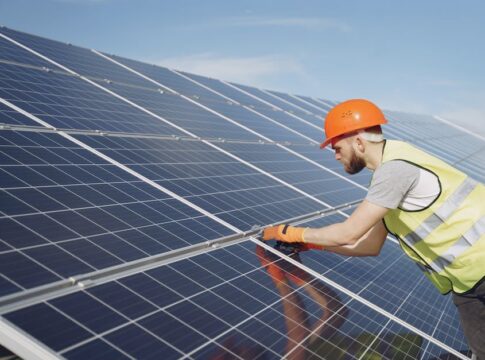
Solar energy remains at the forefront of renewable innovation, with researchers and engineers developing solutions that surpass traditional photovoltaic panels in both efficiency and versatility. Perovskite solar cells have emerged as one of the most promising developments in this field. These cells use a crystalline structure that can be manufactured at lower costs than conventional silicon panels while achieving comparable or superior efficiency rates. Recent laboratory tests have demonstrated perovskite cells reaching efficiency levels exceeding 25 percent, with tandem configurations combining perovskite and silicon layers pushing beyond 30 percent efficiency.
Another significant advancement involves transparent solar panels that can be integrated into windows and building facades. These panels allow visible light to pass through while capturing ultraviolet and infrared wavelengths for energy generation. This technology transforms entire buildings into power-generating structures without compromising aesthetics or functionality, opening new possibilities for urban energy production.
Floating solar farms represent another innovative approach to solar deployment. These installations, known as floatovoltaics, are constructed on bodies of water such as reservoirs, lakes, and even ocean surfaces. The water beneath the panels provides natural cooling that enhances efficiency, while the panels reduce water evaporation and algae growth. Several countries have already implemented large-scale floating solar projects, with some installations generating hundreds of megawatts of power.
Advanced Wind Energy Systems
Wind power technology continues to evolve beyond traditional turbine designs. Offshore wind farms have grown substantially larger and more powerful, with turbines now reaching heights of over 250 meters and individual capacities exceeding 15 megawatts. These massive structures can harness stronger and more consistent winds found at sea, generating significantly more power than their onshore counterparts.
Airborne wind energy systems represent a radical departure from conventional turbines. These systems use tethered kites, drones, or aircraft that fly at high altitudes where wind speeds are greater and more consistent. The devices convert wind energy into electricity through various mechanisms, including onboard generators or ground-based systems that generate power from the tether’s movement. This technology requires less material than traditional turbines and can access wind resources previously considered unreachable.
Vertical-axis wind turbines have also gained renewed attention for urban and distributed applications. Unlike traditional horizontal-axis turbines, these designs can capture wind from any direction, operate more quietly, and present less risk to wildlife. Recent improvements in blade design and materials have significantly enhanced their efficiency, making them viable for residential and commercial installations.
Revolutionary Energy Storage Solutions
Energy storage remains critical for addressing the intermittent nature of renewable sources. Lithium-ion batteries have dominated the market, but emerging technologies promise greater capacity, longer lifespans, and improved safety. Key innovations include:
- Solid-state batteries that replace liquid electrolytes with solid materials, offering higher energy density and reduced fire risk
- Flow batteries that store energy in liquid electrolytes contained in external tanks, allowing for scalable and long-duration storage
- Sodium-ion batteries that use abundant sodium instead of expensive lithium, reducing costs and supply chain concerns
- Gravity-based storage systems that use excess renewable energy to lift heavy masses, later releasing that potential energy when needed
- Compressed air energy storage facilities that store energy by compressing air in underground caverns
These diverse storage technologies enable grid operators to balance supply and demand more effectively, storing excess renewable energy during peak production periods and releasing it when generation declines or demand increases.
Hydrogen as an Energy Carrier
Green hydrogen, produced through electrolysis powered by renewable electricity, has gained recognition as a versatile energy carrier and storage medium. Unlike fossil fuel-derived hydrogen, green hydrogen generates no carbon emissions during production. This clean fuel can be used in fuel cells for transportation, stored for long-term energy reserves, or converted back to electricity when needed.
Recent innovations have focused on improving electrolyzer efficiency and reducing production costs. New catalyst materials and membrane technologies have increased the conversion efficiency of water to hydrogen, while economies of scale from larger production facilities have driven down costs. Several countries have announced major investments in hydrogen infrastructure, including production facilities, pipelines, and refueling stations.
Geothermal and Ocean Energy Advances
Enhanced geothermal systems represent a significant advancement in tapping Earth’s heat. These systems create artificial geothermal reservoirs by fracturing hot rock formations and circulating water through them. This technology can generate power in regions without natural geothermal resources, vastly expanding the potential geographic range of geothermal energy.
Ocean energy technologies harness the power of waves, tides, and thermal gradients. Wave energy converters use the motion of ocean swells to generate electricity through various mechanical and hydraulic systems. Tidal energy systems exploit predictable tidal flows through underwater turbines. Ocean thermal energy conversion uses temperature differences between surface and deep ocean water to drive turbines. While these technologies are still developing, recent pilot projects have demonstrated their viability and potential for consistent, predictable power generation.
Smart Grid Integration and Artificial Intelligence
Advanced software and artificial intelligence are transforming how renewable energy is managed and distributed. Smart grids use sensors, communication networks, and automated controls to optimize energy flow, predict demand patterns, and integrate diverse renewable sources. Machine learning algorithms analyze weather data, consumption patterns, and grid conditions to forecast renewable energy production and adjust system operations accordingly.
These intelligent systems enable better coordination between distributed energy resources, including rooftop solar panels, electric vehicles, and battery storage systems. By managing these resources collectively, utilities can create virtual power plants that provide grid services traditionally supplied by conventional power stations.
Conclusion
The renewable energy sector continues to deliver innovations that address technical challenges while reducing costs and improving performance. These advances are accelerating the global transition away from fossil fuels, making clean energy increasingly competitive with conventional sources. As research continues and technologies mature, renewable energy systems will become even more efficient, reliable, and accessible, playing a crucial role in creating a sustainable energy future for generations to come.