
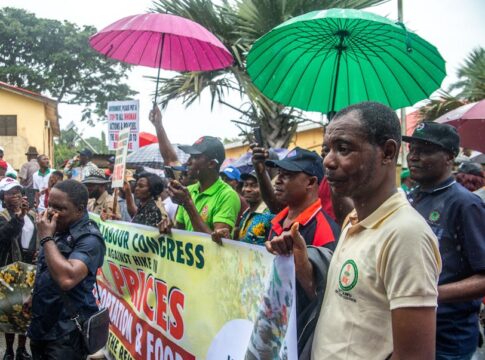
Labor Unions Gain Political Momentum
After decades of declining membership and political influence, labor unions in the United States are experiencing a significant resurgence in political momentum. This renewed strength comes at a time when worker advocacy has captured public attention, driven by high-profile organizing campaigns, favorable public opinion, and supportive policy developments at both federal and state levels.
The Historical Context of Union Decline
To understand the current momentum, it is essential to recognize the challenges unions have faced over the past several decades. Union membership in the United States peaked in the 1950s, when approximately one-third of all workers belonged to a union. By 2020, that figure had dropped to just over 10 percent of the workforce, with private sector unionization falling to historic lows of around 6 percent.
This decline resulted from multiple factors, including the shift from manufacturing to service-based economies, globalization, the decline of traditional union strongholds in the Rust Belt, and legislative changes that weakened union power. Right-to-work laws, which prohibit unions from requiring membership or dues payment as a condition of employment, expanded across numerous states, further eroding union finances and influence.
Signs of a Union Revival
Recent developments suggest that the tide may be turning. Several indicators point to renewed vigor in the labor movement:
- High-profile organizing victories at major corporations previously considered immune to unionization
- Increased strike activity across multiple industries, from healthcare to entertainment
- Growing public support for unions, with approval ratings reaching levels not seen since the 1960s
- Pro-union legislation advancing in various states and at the federal level
- Younger workers showing greater interest in collective bargaining and workplace democracy
Major Organizing Campaigns
The labor movement has achieved several notable victories that have captured national attention and demonstrated unions’ potential to organize in previously resistant sectors. Workers at major technology companies, retail giants, and service industry leaders have successfully formed unions despite substantial corporate opposition.
These organizing drives have revealed widespread worker dissatisfaction with wages, working conditions, and management practices. The campaigns have also showcased innovative organizing tactics that leverage social media, public relations, and community support to counter well-funded corporate anti-union efforts.
The success of these campaigns has created a demonstration effect, inspiring workers at other locations and companies to pursue their own organizing efforts. This ripple effect has contributed to a substantial increase in union election petitions filed with the National Labor Relations Board.
Legislative and Regulatory Support
The current political environment has proven more favorable to labor unions than any period in recent decades. At the federal level, the administration has appointed union-friendly officials to key positions at agencies such as the National Labor Relations Board and the Department of Labor. These appointments have resulted in policy changes that facilitate union organizing and strengthen worker protections.
The National Labor Relations Board has reversed several previous decisions that weakened union rights, making it easier for workers to organize and harder for employers to delay or prevent unionization. The agency has also increased enforcement actions against companies that violate labor laws and strengthened remedies available to workers who experience retaliation for union activity.
State-level developments have also contributed to union momentum. Several states have passed legislation expanding collective bargaining rights, strengthening wage theft protections, and creating new avenues for worker representation. Some states have enacted sector-specific labor standards that establish minimum conditions across entire industries, effectively creating a floor that unions can build upon.
Public Opinion Shifts
Perhaps the most significant factor in unions’ political momentum is the dramatic shift in public opinion. Recent polling consistently shows that approval of labor unions has reached its highest point in decades, with strong majorities of Americans expressing favorable views of unions. This shift spans demographic groups and, notably, includes substantial support among younger workers who represent the future of the labor movement.
This change in public sentiment reflects growing concerns about income inequality, corporate power, and the quality of jobs available to workers. Many Americans have come to view unions as a necessary counterweight to corporate influence and an important institution for protecting worker rights and promoting economic fairness.
Economic Factors Driving Union Growth
The economic context has created conditions conducive to union organizing. Worker shortages in many industries have shifted leverage toward employees, making employers more vulnerable to organizing campaigns and strike actions. Inflation has eroded real wages for many workers, increasing dissatisfaction with compensation and making union promises of better pay more attractive.
The pandemic also exposed vulnerabilities in how workers are treated, particularly regarding health and safety protections, paid leave, and job security. Essential workers who faced significant risks during the pandemic have been especially receptive to union messaging about the need for collective voice and protection.
Challenges Ahead
Despite this momentum, unions face significant obstacles. Corporate opposition to unionization remains fierce, with companies deploying sophisticated anti-union campaigns and legal strategies. The legislative path for major pro-union reforms at the federal level remains uncertain, requiring sustained political support that may fluctuate with electoral changes.
Unions must also demonstrate their value to workers in industries and regions where collective bargaining has little recent history. Building effective organizations that can deliver tangible benefits while managing the expectations of newly organized workers presents operational challenges for unions experiencing rapid growth.
Long-Term Implications
The current momentum represents the most significant opportunity for labor unions in generations. Whether this translates into sustained growth and political influence will depend on unions’ ability to capitalize on favorable conditions, adapt to changing workforce dynamics, and maintain public support. The outcome will have profound implications for American business, politics, and the distribution of economic power for years to come.