
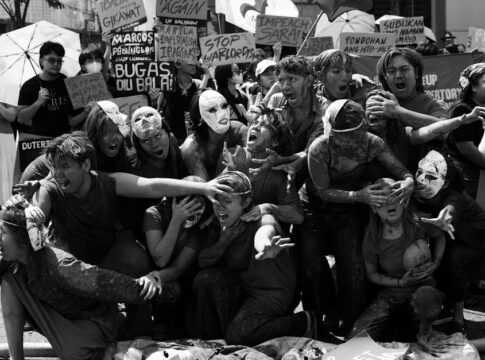
Political Outrage Has Replaced Real Debate
In contemporary political discourse, a troubling trend has emerged that threatens the foundation of democratic dialogue: the substitution of genuine debate with performative outrage. Across the political spectrum, politicians, media personalities, and citizens increasingly prioritize emotional reactions over substantive policy discussions, creating an environment where anger overshadows analysis and indignation replaces intellectual engagement.
The Rise of Outrage Politics
The transformation of political discourse from reasoned debate to emotional spectacle did not happen overnight. Several interconnected factors have contributed to this shift. The 24-hour news cycle demands constant content, encouraging media outlets to emphasize conflict and controversy over nuanced policy analysis. Social media platforms amplify this tendency by rewarding emotionally charged content with greater engagement, creating powerful incentives for political figures to craft their messages for maximum emotional impact rather than intellectual clarity.
Political strategists have recognized that outrage generates attention, motivates base supporters, and can effectively dominate news cycles. A well-timed expression of moral indignation can overshadow substantive policy proposals from opponents, shift public attention away from unfavorable topics, and create the appearance of principled leadership without requiring detailed policy knowledge or solutions.
The Mechanics of Outrage Culture
Modern outrage politics operates through several predictable patterns. Political actors identify issues that trigger strong emotional responses, frame these issues in the starkest possible terms, and present opposition viewpoints as not merely incorrect but morally reprehensible. This approach transforms policy disagreements into moral crusades, making compromise appear as capitulation to evil rather than a normal part of democratic governance.
The language of political outrage typically includes several characteristics:
- Absolutist terminology that frames issues as existential threats
- Personal attacks on opponents’ character rather than critiques of their policies
- Appeals to fear and anger rather than hope and aspiration
- Deliberate mischaracterization of opposing viewpoints
- Rejection of nuance in favor of binary thinking
The Cost to Democratic Discourse
The replacement of debate with outrage carries significant consequences for democratic societies. When political discussion becomes primarily about expressing anger, the space for genuine deliberation shrinks. Complex policy challenges require careful analysis, consideration of trade-offs, and willingness to acknowledge uncertainties. Outrage culture discourages this type of thinking by rewarding simplistic narratives and punishing those who acknowledge complexity.
This dynamic particularly affects policy areas that require technical expertise and long-term thinking. Issues such as healthcare reform, economic policy, infrastructure development, and environmental regulation involve complicated trade-offs and require sustained attention to detail. When political leaders focus on generating outrage rather than explaining policy implications, public understanding suffers, and poor policy decisions become more likely.
Furthermore, outrage politics erodes trust in democratic institutions. When every political disagreement becomes a crisis and every opponent becomes an enemy, citizens become cynical about the possibility of good-faith governance. This cynicism can manifest as decreased civic participation, greater polarization, and reduced faith in democratic processes.
The Media’s Role
News media organizations, facing economic pressures and competing for audience attention, have often amplified outrage politics rather than countering it. The business model of many media outlets depends on engagement, and outrage generates clicks, views, and shares. This creates a symbiotic relationship between politicians seeking attention and media outlets seeking content, with both benefiting from heightened emotional intensity.
Traditional journalistic values such as objectivity, context, and proportionality can suffer in this environment. Stories that might once have warranted brief coverage become multi-day spectacles. Statements intended to provoke rather than inform receive extensive analysis. Meanwhile, substantive policy developments that lack emotional punch receive minimal attention.
Social Media Acceleration
Social media platforms have dramatically accelerated the outrage cycle. Algorithms designed to maximize engagement naturally favor content that triggers strong emotional responses. This creates echo chambers where outrage circulates and intensifies among like-minded users, while also making it easier for political actors to test and refine outrage-generating messages.
The speed of social media also compresses reaction time, pressuring political figures to respond immediately to developments rather than taking time for thoughtful consideration. This environment favors quick expressions of outrage over measured analysis, further degrading the quality of political discourse.
Finding a Path Forward
Reversing the dominance of outrage politics requires efforts from multiple stakeholders. Media organizations can prioritize substantive policy coverage over controversy, even if such content generates less immediate engagement. Educational institutions can emphasize critical thinking skills and media literacy, helping citizens distinguish between genuine policy debates and performative outrage.
Political leaders themselves bear significant responsibility for the current state of discourse. Those who choose to engage in substantive debate, acknowledge complexity, and treat opponents with respect can help model alternative approaches, even if such strategies carry short-term political risks.
Citizens can also play a crucial role by rewarding politicians who engage in genuine debate and by seeking out news sources that prioritize substance over spectacle. Democratic discourse ultimately depends on an informed citizenry willing to engage with complexity rather than simply consuming emotionally satisfying narratives.
Conclusion
The replacement of real debate with political outrage represents a significant challenge to democratic governance. While expressing genuine moral conviction remains an important part of political life, the current environment too often substitutes performance for principle and anger for argument. Restoring substantive debate requires recognizing the forces that have elevated outrage, understanding the costs of this transformation, and committing to the harder work of genuine democratic deliberation. The health of democratic societies depends on the ability to discuss disagreements productively, and recovering this capacity remains one of the most pressing challenges facing contemporary politics.