
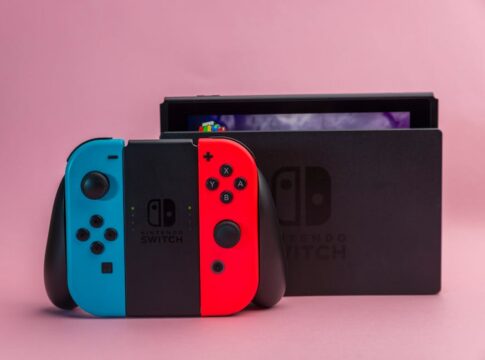
New Gaming Console Release Causes Frenzy
The gaming industry has witnessed unprecedented excitement as the latest generation of gaming consoles hit the market, triggering a buying frenzy that has left retailers struggling to meet demand and consumers scrambling to secure their systems. The release has become a cultural phenomenon, demonstrating the immense popularity of gaming in contemporary entertainment and the powerful draw of cutting-edge technology.
Record-Breaking Launch Performance
The newly released gaming consoles have shattered previous sales records, with initial stock selling out within minutes at major retailers both online and in physical stores. Industry analysts report that pre-order numbers exceeded those of any previous console generation, with some retailers receiving hundreds of thousands of advance orders within the first 24 hours of availability. This overwhelming response has created supply chain challenges that manufacturers are working diligently to address.
The launch day itself was marked by scenes reminiscent of major product releases, with dedicated gaming enthusiasts queuing outside retail locations hours before opening times. Online platforms experienced significant traffic surges, with some websites temporarily crashing under the weight of simultaneous user attempts to complete purchases. The fervor surrounding the release has extended beyond traditional gaming demographics, attracting mainstream consumers interested in the latest technological innovations.
Technological Advancements Driving Demand
The extraordinary demand can be attributed to several significant technological improvements that distinguish these new consoles from their predecessors. These advancements represent substantial leaps forward in gaming capabilities and overall entertainment value.
- Enhanced graphics processing capabilities delivering near-photorealistic visual experiences
- Significantly reduced loading times through advanced solid-state drive technology
- Support for higher frame rates and resolutions, including native 4K and 8K capabilities
- Backward compatibility allowing players to enjoy games from previous generations
- Improved controller designs featuring haptic feedback and adaptive triggers
- Ray tracing technology for more realistic lighting and reflections
- Advanced audio processing creating immersive three-dimensional soundscapes
These technological enhancements collectively create a gaming experience that manufacturers argue represents the most significant generational leap in recent console history. The improvements extend beyond raw processing power to encompass quality-of-life features that enhance user experience and accessibility.
Market Impact and Economic Implications
The console launch has generated substantial economic activity across multiple sectors. Retailers have reported that the new systems are driving increased foot traffic and online engagement, with many consumers purchasing additional accessories, games, and services alongside their console acquisitions. The gaming software industry has responded with numerous high-profile game releases specifically designed to showcase the capabilities of the new hardware.
Financial markets have reacted positively to the successful launch, with gaming company stocks experiencing notable gains. Analysts project that the console generation will generate billions in revenue over its lifecycle, contributing significantly to the broader entertainment technology sector. The success has also benefited peripheral manufacturers, with demand for compatible accessories, including headsets, charging stations, and additional controllers, experiencing corresponding increases.
Supply Chain Challenges and Scalping Concerns
Despite the successful launch, the overwhelming demand has created significant challenges. Manufacturing capacity has struggled to keep pace with consumer interest, resulting in widespread stock shortages that are expected to persist for several months. Global supply chain disruptions have compounded these difficulties, affecting component availability and distribution logistics.
The scarcity has given rise to a controversial secondary market, where individuals and automated purchasing systems acquire consoles specifically to resell them at substantially inflated prices. This practice, commonly known as scalping, has drawn criticism from consumers and industry stakeholders alike. Some retailers have implemented measures to combat this behavior, including purchase limits, verification systems, and prioritization of legitimate customers over bulk buyers.
Law enforcement and consumer protection agencies in various jurisdictions have begun examining whether existing regulations adequately address these practices, with some legislators proposing new measures to restrict resale activities that exploit product shortages.
Industry Response and Future Outlook
Console manufacturers have acknowledged the supply constraints and committed to increasing production capacity as rapidly as possible. Official statements indicate that factories are operating at maximum capacity and that additional manufacturing partnerships are being established to expand output. Companies have also implemented periodic restocking events, providing consumers with regular opportunities to attempt purchases.
Industry experts anticipate that supply will gradually stabilize over the coming months, though achieving equilibrium between supply and demand may extend into the following year. The manufacturers have emphasized their commitment to ensuring that all interested consumers will eventually have the opportunity to purchase systems at standard retail prices.
Cultural Significance and Gaming Evolution
The frenzy surrounding the console release reflects gaming’s evolution from niche hobby to mainstream entertainment medium. Gaming now rivals traditional forms of entertainment in cultural impact and economic importance, with console releases becoming significant events that transcend the gaming community.
The new generation of consoles represents not merely incremental hardware improvements but rather a statement about the future of interactive entertainment. Features supporting social connectivity, content creation, and multimedia functionality position these devices as comprehensive entertainment hubs rather than dedicated gaming machines.
As the initial frenzy subsides and availability improves, the true test will be whether the consoles can sustain momentum through compelling software libraries and continued innovation. Early indications suggest strong developer support and robust content pipelines that should maintain consumer interest well into the console generation’s lifecycle. The successful launch has set the stage for what industry observers expect to be a transformative era in gaming entertainment.