
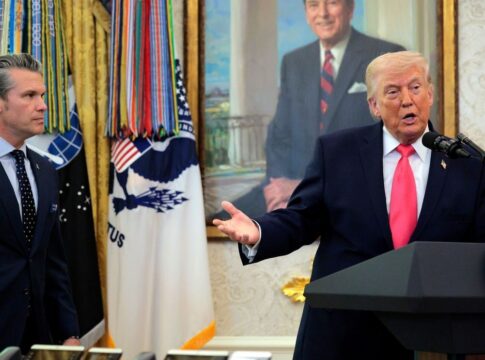
President Trump has submitted a budget request seeking $1.5 trillion in defense funding, marking one of the largest proposed military expenditure increases in recent American history. The White House budget proposal signals a significant shift in national security priorities as the administration pushes for expanded military capabilities.
Historic Defense Spending Proposal
The $1.5 trillion defense funding request represents a substantial commitment to strengthening America’s military infrastructure and readiness. This proposal comes as global tensions continue to shape national security conversations, with the administration emphasizing the need for modernized military capabilities. The budget request will require congressional approval before implementation, setting the stage for debates about fiscal priorities and national defense requirements in the coming months.
Congressional leaders from both parties will now review the proposal, with defense hawks likely supporting enhanced military spending while fiscal conservatives may scrutinize the budgetary impact. The request includes provisions for military personnel, equipment modernization, technology development, and operational readiness across all service branches. Defense contractors and military installations nationwide could see significant investment if Congress approves the funding package.
Budget Priorities and National Security
The proposed defense budget reflects the administration’s commitment to maintaining American military superiority amid evolving global challenges. Military analysts note that the funding level would enable substantial upgrades to aging equipment, expanded training programs, and research into next-generation defense technologies. The request also addresses personnel needs, including recruitment, retention, and compensation improvements for active-duty service members and support staff.
Congressional Review Ahead
The budget proposal now enters the congressional appropriations process, where lawmakers will debate spending levels and specific allocations. Committee hearings will examine the justification for the requested amount, with defense officials expected to testify about strategic priorities and capability gaps. The outcome will depend on negotiations between the administration and congressional leadership, with final approval determining whether the full $1.5 trillion request becomes reality or faces reductions during the legislative process.