
Breakthrough in Renewable Energy Technology Promises to Reshape Global Power Landscape
The renewable energy sector has witnessed a momentous breakthrough that could accelerate the world’s transition away from fossil fuels. Recent developments in advanced energy storage systems and next-generation solar technology are generating significant attention from scientists, investors, and policymakers worldwide. These innovations address some of the most persistent challenges facing renewable energy adoption, potentially marking a turning point in the global fight against climate change.
Revolutionary Advances in Energy Storage
One of the primary obstacles to widespread renewable energy adoption has been the intermittent nature of sources like solar and wind power. The sun doesn’t always shine, and the wind doesn’t always blow, creating reliability concerns for power grids dependent on these sources. However, recent breakthroughs in battery technology and alternative energy storage methods are providing solutions to this critical problem.
Researchers have developed new solid-state battery technology that dramatically improves energy density while reducing costs. These batteries can store significantly more power in a smaller space compared to traditional lithium-ion batteries, and they demonstrate enhanced safety profiles by eliminating the flammable liquid electrolytes found in conventional designs. Early testing indicates these batteries can maintain their capacity through thousands of charge cycles, far exceeding current commercial standards.
Additionally, innovations in long-duration energy storage systems are emerging as game-changers for grid-scale applications. These systems can store excess renewable energy generated during peak production hours and release it during periods of high demand or low generation. Technologies such as advanced flow batteries, compressed air energy storage, and thermal energy storage are moving from experimental phases to commercial viability.
Next-Generation Solar Cell Efficiency
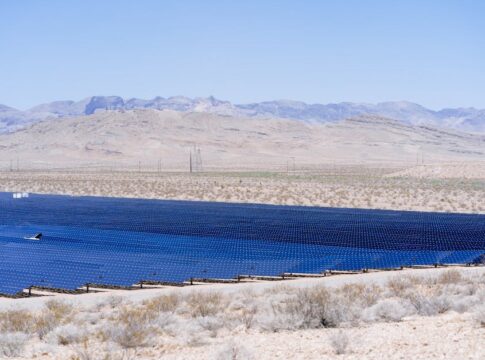
Solar energy technology has achieved a remarkable breakthrough with the development of perovskite-silicon tandem solar cells that have shattered previous efficiency records. Traditional silicon solar panels typically convert between 15 to 22 percent of sunlight into electricity. The new tandem cells have demonstrated conversion efficiencies exceeding 30 percent in laboratory conditions, with researchers confident that commercial applications will soon follow.
This advancement represents years of research into perovskite materials, which are layered atop traditional silicon cells to capture different wavelengths of light more effectively. The dual-layer approach allows these cells to harvest energy from a broader spectrum of sunlight, significantly increasing overall power output without requiring additional space.
The implications for solar energy deployment are substantial. Higher efficiency panels mean that less surface area is needed to generate the same amount of power, making solar installations more practical for urban environments and locations with space constraints. Furthermore, the improved performance could reduce the overall cost per watt of solar energy, making it even more competitive with traditional energy sources.
Offshore Wind Technology Reaches New Heights
The wind energy sector has also achieved significant milestones with the development of floating offshore wind platforms capable of operating in deep waters previously considered unsuitable for wind farms. These platforms utilize advanced engineering and materials science to maintain stability while supporting massive turbines in challenging marine environments.
The advantages of floating offshore wind technology are considerable:
- Access to stronger and more consistent wind resources found in deep waters
- Reduced visual impact on coastal communities
- Minimal environmental disruption to ocean floors
- Flexibility in placement to avoid shipping lanes and fishing grounds
- Potential for deployment in regions where traditional fixed-bottom turbines are not feasible
Several pilot projects have demonstrated the technical feasibility and economic viability of floating wind farms, with multiple countries now planning large-scale deployments. Industry analysts project that floating offshore wind could provide hundreds of gigawatts of clean energy capacity within the next two decades.
Green Hydrogen Production Becomes More Efficient
Hydrogen has long been recognized as a potential clean fuel for sectors difficult to electrify, such as heavy industry, shipping, and aviation. Recent breakthroughs in electrolysis technology have significantly improved the efficiency of producing green hydrogen using renewable electricity to split water molecules.
New catalyst materials and electrolyzer designs have reduced the energy required for hydrogen production while increasing the durability and lifespan of equipment. These improvements are bringing down the cost of green hydrogen production, moving it closer to price parity with hydrogen derived from fossil fuels. Several major energy companies have announced plans to construct large-scale green hydrogen facilities, signaling growing confidence in the technology’s commercial prospects.
Artificial Intelligence Optimizes Renewable Energy Systems
The integration of artificial intelligence and machine learning algorithms is enhancing the performance and reliability of renewable energy systems. AI-powered predictive models can forecast energy generation from solar and wind sources with unprecedented accuracy, allowing grid operators to better balance supply and demand.
These intelligent systems also optimize the performance of individual renewable energy installations by analyzing vast amounts of operational data to identify efficiency improvements and predict maintenance needs before equipment failures occur. The result is increased energy output, reduced downtime, and lower operational costs across the renewable energy sector.
Economic and Environmental Impact
The convergence of these technological breakthroughs is creating favorable conditions for accelerated renewable energy deployment. As costs continue to decline and performance improves, renewable sources are becoming the most economical choice for new power generation capacity in most regions worldwide. This economic shift is driving unprecedented investment in clean energy infrastructure and supporting the creation of millions of jobs in manufacturing, installation, and maintenance sectors.
From an environmental perspective, the rapid scaling of these advanced renewable technologies could significantly reduce global greenhouse gas emissions and help limit temperature increases to targets established in international climate agreements. The transition to clean energy also offers ancillary benefits, including improved air quality, reduced water consumption compared to thermal power plants, and decreased environmental degradation associated with fossil fuel extraction.
Looking Ahead
While challenges remain in scaling these technologies and integrating them into existing energy infrastructure, the recent breakthroughs represent substantial progress toward a sustainable energy future. Continued research and development, supportive policies, and sustained investment will be essential to realize the full potential of these innovations. The renewable energy revolution is no longer a distant aspiration but an accelerating reality that is reshaping how the world generates and consumes power.