
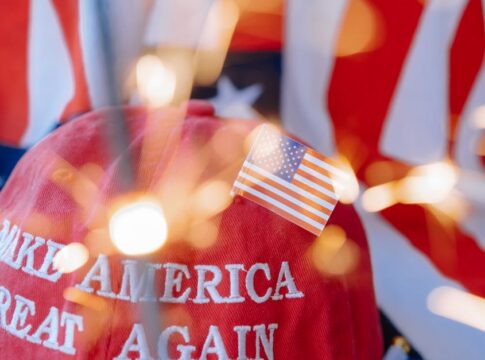
Cancel Culture Sparks Political Backlash
The phenomenon known as “cancel culture” has emerged as one of the most contentious cultural and political issues of the contemporary era. What began as a form of social accountability through public criticism and boycotts has evolved into a deeply polarizing force that has sparked significant political backlash across the ideological spectrum. This cultural shift has prompted debates about free speech, public accountability, and the appropriate boundaries of social consequences for controversial statements or actions.
Understanding Cancel Culture
Cancel culture refers to the practice of withdrawing support from public figures, organizations, or brands following statements or actions deemed objectionable or offensive. This phenomenon typically manifests through social media campaigns, boycotts, and calls for removal from positions of influence. The practice has roots in earlier forms of social activism and consumer boycotts but has been amplified exponentially by the reach and immediacy of digital platforms.
The mechanics of cancel culture often follow a recognizable pattern: a statement, action, or past behavior becomes public; social media users express outrage and call for consequences; the controversy spreads across platforms; and institutions, employers, or platforms respond with varying degrees of action ranging from public statements to termination of employment or removal from platforms.
The Political Dimensions
The political backlash against cancel culture has become increasingly prominent, with lawmakers and political leaders across multiple countries addressing the issue through legislation, policy proposals, and public discourse. Conservative politicians, in particular, have positioned opposition to cancel culture as a central component of their platforms, framing it as an assault on free speech and traditional values.
Several states and jurisdictions have introduced or passed legislation aimed at combating what proponents describe as cancel culture’s chilling effects. These legislative efforts have included:
- Bills protecting individuals from employment termination based on personal beliefs or off-duty conduct
- Measures restricting how educational institutions can respond to controversial speech
- Protections for contractors and businesses against politically motivated boycotts
- Requirements for viewpoint diversity in academic settings
Arguments Against Cancel Culture
Critics of cancel culture raise several concerns that have fueled political opposition. Primary among these is the argument that cancel culture creates an environment of fear that suppresses legitimate discourse and diverse viewpoints. Opponents contend that the threat of professional or social consequences discourages people from engaging in meaningful conversations about controversial topics, ultimately impoverishing public debate.
Another significant criticism centers on proportionality. Critics argue that cancel culture often imposes severe consequences for minor transgressions or statements taken out of context, with little room for nuance, explanation, or redemption. This concern extends to the resurrection of decades-old statements or actions, judged by contemporary standards without consideration for personal growth or changed perspectives.
The due process argument represents another dimension of the backlash. Opponents emphasize that cancel culture operates outside formal justice systems, with accusations sometimes leading to significant consequences before facts are fully established or individuals have opportunities to respond adequately.
Counterarguments and Support
Supporters of accountability measures that critics label as cancel culture present alternative perspectives. They argue that these practices represent marginalized communities finally having a voice to challenge harmful speech and behavior from those in positions of power. From this viewpoint, what opponents call cancel culture is simply consequence culture—the natural result of actions that violate social norms or cause harm to others.
Advocates also note that freedom of speech protects individuals from government censorship but does not guarantee freedom from social or professional consequences. They argue that employers, platforms, and communities have always had the right to disassociate from individuals whose statements or actions conflict with their values or interests.
Furthermore, proponents point out that concerns about cancel culture often focus disproportionately on high-profile cases while ignoring the historical reality that marginalized groups have long faced severe consequences for speaking out against injustice.
Institutional Responses
The political backlash has prompted various institutional responses. Universities have grappled with balancing academic freedom against calls for accountability, with some institutions strengthening free speech policies while others have implemented more robust conduct codes. Corporations have developed sophisticated crisis management strategies to navigate controversial situations involving employees or representatives.
Media organizations have also adapted their approaches, with some establishing clearer guidelines about how they handle controversial content or contributors, while others have taken stronger stances in favor of provocative or controversial voices as a matter of principle.
The Path Forward
The tension between accountability and free expression continues to evolve as society navigates the complex terrain of digital discourse. Some observers advocate for a middle path that acknowledges both the value of holding public figures accountable and the importance of protecting robust debate and allowing for human fallibility and growth.
Proposals for addressing concerns about cancel culture while preserving legitimate accountability mechanisms include developing clearer standards for proportional responses, creating pathways for redemption and reconciliation, improving media literacy to reduce mob mentalities, and strengthening formal processes for addressing grievances.
Conclusion
The political backlash against cancel culture reflects deeper tensions in contemporary society about power, speech, and accountability. As this debate continues to unfold, finding balanced approaches that protect both freedom of expression and legitimate social accountability remains one of the defining challenges of the digital age. The resolution of these tensions will likely shape cultural and political discourse for years to come, influencing how societies navigate the complex intersection of public speech, private consequences, and collective values.