
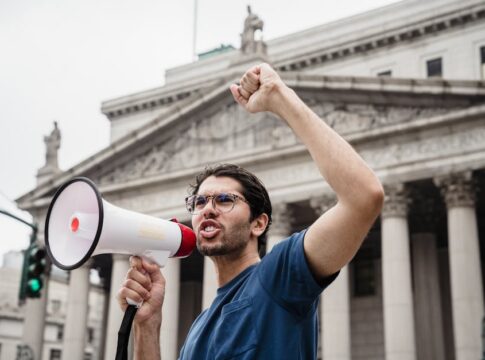
Celebrity Activism Influences Public Opinion
In an era dominated by social media and 24-hour news cycles, celebrities have emerged as powerful voices in social and political discourse. From environmental causes to human rights campaigns, famous figures leverage their platforms to shape public conversation and influence collective opinion on critical issues. This phenomenon of celebrity activism has become an integral component of modern advocacy movements, fundamentally altering how information spreads and how public sentiment forms around important social causes.
The Rise of Celebrity Advocacy
Celebrity activism is not a new phenomenon, but its reach and impact have expanded exponentially in recent decades. Historical examples include figures like Paul Robeson advocating for civil rights in the 1940s and 1950s, or Audrey Hepburn’s humanitarian work with UNICEF in the 1980s. However, the digital age has transformed the landscape entirely. Today’s celebrities can instantly reach millions of followers with a single post, bypassing traditional media gatekeepers and directly engaging with audiences worldwide.
This direct communication channel has democratized advocacy in many ways, allowing celebrities to raise awareness about issues that might otherwise receive limited mainstream media coverage. Whether addressing climate change, racial justice, gender equality, or mental health awareness, celebrities can place issues on the public agenda simply through their visibility and influence.
Mechanisms of Influence
Social Media Amplification
The primary mechanism through which celebrities influence public opinion today is social media. Platforms like Instagram, Twitter, and TikTok allow celebrities to communicate directly with followers, share information, and mobilize support for causes. When a celebrity with millions of followers posts about a social issue, the message can reach more people in minutes than traditional advocacy organizations might reach in months.
This amplification effect extends beyond mere visibility. Research indicates that celebrity endorsements can significantly increase public awareness and engagement with specific issues. Hashtag campaigns initiated or supported by celebrities often trend globally, drawing mainstream media attention and sparking widespread public discussion.
Emotional Connection and Parasocial Relationships
Celebrities benefit from the parasocial relationships they cultivate with their audiences—one-sided relationships where fans feel personally connected to public figures. This emotional bond can make celebrity advocacy particularly persuasive. When trusted public figures speak about issues they care about, their audiences are more likely to listen, engage, and potentially shift their own perspectives.
This psychological dynamic explains why celebrity activism can be more effective than traditional public service announcements or institutional advocacy. People are more likely to trust and be influenced by individuals they admire and feel connected to, even if that connection is largely imaginary.
Positive Impacts on Public Discourse
Celebrity activism has demonstrably contributed to positive social change in numerous instances. Several notable impacts include:
- Increased charitable donations: When celebrities champion specific causes or organizations, donation levels typically surge. High-profile fundraising campaigns often exceed their goals when celebrity advocates are involved.
- Policy attention: Politicians and policymakers pay attention to issues that generate public interest. Celebrity advocacy can place previously overlooked issues on legislative agendas.
- Destigmatization: Celebrities speaking openly about mental health, addiction, or other stigmatized issues help normalize these conversations and encourage others to seek help.
- Youth engagement: Young people, who often feel disconnected from traditional political processes, may become engaged with social issues through celebrity advocacy.
- Global awareness: International celebrities can draw attention to humanitarian crises and human rights violations occurring in distant parts of the world.
Criticisms and Limitations
Superficial Engagement
Critics argue that celebrity activism sometimes promotes superficial engagement with complex issues, a phenomenon dubbed “slacktivism.” When activism amounts to simply liking a post or sharing a hashtag without deeper understanding or action, its transformative potential is limited. This concern raises questions about whether celebrity-driven awareness actually translates into sustained engagement and meaningful change.
Expertise and Credibility
Another significant criticism centers on expertise. Celebrities typically lack specialized knowledge about the complex social, political, and economic issues they address. When famous individuals speak authoritatively about subjects outside their expertise, they may oversimplify problems, promote ineffective solutions, or even spread misinformation.
Privilege and Disconnect
The vast wealth and privilege enjoyed by most celebrities can create a disconnect between their advocacy and the lived experiences of those most affected by the issues they champion. This gap can undermine credibility and generate accusations of hypocrisy, particularly when celebrities’ lifestyles contradict their public positions.
The Commercialization Concern
Some observers worry that celebrity activism has become commodified, serving more to enhance personal brands than to advance genuine social change. When advocacy becomes intertwined with commercial interests or public relations strategies, its authenticity and effectiveness may be compromised. The line between sincere commitment and strategic image management can become blurred.
Future Trajectory
As social media continues to evolve and celebrity culture remains central to contemporary society, the influence of celebrity activism on public opinion will likely persist and potentially intensify. However, audiences are becoming increasingly sophisticated in evaluating celebrity advocacy, demanding authenticity, consistency, and substantive engagement rather than performative gestures.
The most effective celebrity activism moving forward will likely involve partnerships between celebrities and established advocacy organizations, combining star power with expertise and grassroots networks. This collaborative approach can maximize both awareness and impact while addressing concerns about superficiality and lack of expertise.
Conclusion
Celebrity activism undeniably influences public opinion, leveraging fame, emotional connection, and digital platforms to raise awareness and shape discourse around critical social issues. While this influence carries both opportunities and risks, its impact on contemporary advocacy is undeniable. As society continues to grapple with complex challenges, the role of celebrity voices in public conversation will remain significant, making it essential to critically examine both the potential and the limitations of this powerful cultural force.