
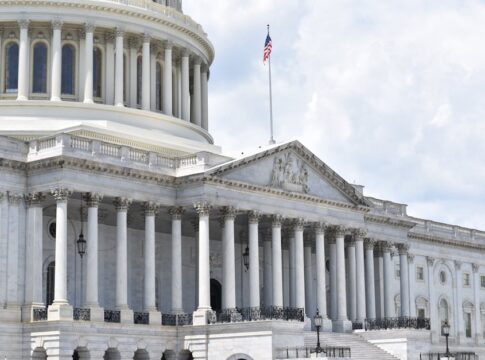
Congress Returns Amid Pressure to Pass Stalled Bills
As members of Congress return to Capitol Hill following their recent recess, they face mounting pressure to address a backlog of critical legislation that has languished in committee or failed to gain sufficient support for passage. The return marks a pivotal moment in the legislative calendar, with stakeholders from various sectors urging lawmakers to prioritize long-delayed bills that carry significant implications for American citizens, businesses, and institutions.
The Legislative Backlog
The current congressional session has seen numerous pieces of legislation introduced with bipartisan support, yet many have stalled due to procedural obstacles, partisan disagreements, or competing priorities. This gridlock has created a substantial backlog of bills addressing issues ranging from healthcare and infrastructure to education reform and veterans’ benefits. The accumulation of pending legislation has drawn criticism from constituents and advocacy groups who argue that essential policy updates remain unrealized while political maneuvering dominates the agenda.
Among the stalled initiatives are several bills that had initially garnered widespread support across party lines. These measures, which address pressing national concerns, now face uncertain futures as legislators navigate the complex dynamics of congressional procedure and inter-party negotiations. The failure to advance these bills has raised questions about the efficiency of the legislative process and the ability of Congress to respond to urgent national needs in a timely manner.
Key Areas of Legislative Concern
Several policy areas have emerged as particularly contentious, with stalled bills creating real-world consequences for affected populations. Understanding these key areas provides insight into the challenges facing lawmakers as they resume their duties.
Healthcare and Prescription Drug Reform
Legislation aimed at reducing prescription drug costs and expanding healthcare access remains among the most high-profile stalled initiatives. Multiple bills addressing pharmaceutical pricing, insurance coverage gaps, and rural healthcare access have failed to advance despite public polling showing strong support for reform. Healthcare advocacy organizations have intensified their lobbying efforts, emphasizing the financial burden that delayed action places on millions of Americans who struggle with medical expenses.
The complexity of healthcare legislation, combined with fundamental disagreements about the role of government in healthcare markets, has contributed to the impasse. Lawmakers must now determine whether compromise is possible or if these bills will remain in legislative limbo indefinitely.
Immigration and Border Security
Immigration reform continues to be one of the most politically charged areas where legislation has stalled. Comprehensive immigration bills that would address border security, pathways to citizenship, and workforce needs have repeatedly failed to gain the necessary support for passage. The stalemate has frustrated business leaders who cite labor shortages, immigrant communities seeking clarity on their status, and border states dealing with resource constraints.
Both major parties have introduced competing bills, but finding common ground has proven elusive. As Congress returns, there is renewed discussion about whether incremental, targeted legislation might succeed where comprehensive reform has failed.
Infrastructure and Transportation Funding
While some infrastructure legislation has successfully passed in recent years, numerous bills addressing specific transportation needs, broadband expansion, and aging public works systems remain stalled. These measures often enjoy support in principle but become entangled in debates over funding mechanisms, the balance between federal and state responsibility, and regulatory requirements.
State and local government officials have expressed frustration with the delays, noting that uncertainty about federal support complicates their own planning and budgeting processes. Industry representatives have similarly called for action, emphasizing that infrastructure investments create jobs and enhance economic competitiveness.
Procedural Obstacles and Political Dynamics
Understanding why bills stall requires examining the procedural and political factors that impede legislative progress. The congressional process involves multiple stages where legislation can be delayed or derailed, including committee consideration, floor scheduling, amendment processes, and conference committee reconciliation between House and Senate versions.
The filibuster in the Senate remains a significant procedural hurdle, requiring 60 votes to advance most legislation. This supermajority requirement means that substantial bipartisan cooperation is necessary for passage, yet such cooperation has become increasingly rare in an era of heightened political polarization. Additionally, leadership decisions about which bills receive floor time can effectively determine whether legislation advances or withers without a vote.
Stakeholder Pressure and Advocacy Efforts
As Congress reconvenes, various stakeholder groups are intensifying their advocacy efforts to pressure lawmakers into action. These groups employ multiple strategies to influence the legislative process:
- Direct lobbying of individual members and their staff
- Public awareness campaigns highlighting the consequences of inaction
- Coalition building to demonstrate broad-based support
- Grassroots mobilization to generate constituent pressure
- Media engagement to shape public discourse around key issues
The effectiveness of these advocacy efforts varies depending on the issue, the political climate, and the composition of Congress. However, sustained pressure from diverse stakeholder groups can create momentum for previously stalled legislation.
The Path Forward
As lawmakers return to Washington, the coming weeks will reveal whether renewed focus and stakeholder pressure can break the legislative logjam. Several factors will influence outcomes, including upcoming election timelines, budget deadlines, and external events that may shift priorities.
Some observers suggest that the pressure to demonstrate legislative accomplishments before elections may motivate compromise on select bills. Others remain skeptical, noting that the structural and political factors causing gridlock are unlikely to dissipate quickly.
Conclusion
The return of Congress amid pressure to pass stalled bills represents a critical juncture for American governance. The ability of lawmakers to overcome procedural obstacles, bridge partisan divides, and respond to stakeholder demands will determine whether essential legislation advances or continues to languish. As the session progresses, citizens, businesses, and advocacy groups will be watching closely to see whether their representatives can translate political promises into legislative reality. The outcomes will have lasting implications not only for specific policy areas but also for public confidence in the legislative process itself.