
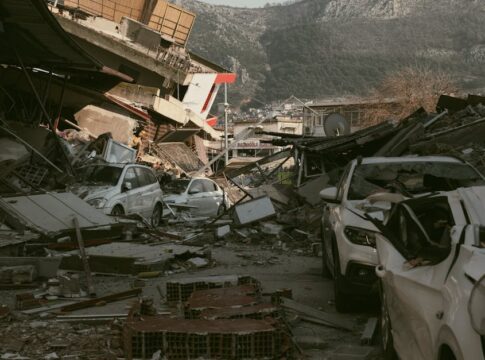
International aid sent after natural disaster
International Aid Mobilizes Following Devastating Natural Disaster
When natural disasters strike, the international community often responds with swift and coordinated humanitarian assistance. The complex process of delivering international aid following catastrophic events involves multiple actors, sophisticated logistics, and careful coordination to ensure that help reaches those who need it most. Understanding how this global relief system operates provides insight into one of humanity’s most important expressions of solidarity and cooperation.
The Immediate Response Mechanism
Within hours of a major natural disaster, international aid organizations begin mobilizing resources and personnel. The United Nations Office for the Coordination of Humanitarian Affairs (OCHA) typically takes a leading role in coordinating the global response, working closely with affected governments to assess needs and allocate resources efficiently. This rapid response is crucial, as the first 72 hours following a disaster are often the most critical for saving lives.
Governments from around the world activate their disaster response protocols, often dispatching search and rescue teams equipped with specialized equipment and trained personnel. These teams can include medical professionals, structural engineers, and emergency responders who have experience working in disaster zones. Countries with advanced disaster response capabilities, such as the United States, Japan, and several European nations, frequently maintain dedicated units ready for rapid deployment.
Types of International Aid Provided
International assistance following natural disasters takes many forms, each addressing specific needs of affected populations. The diversity of aid types ensures comprehensive support during both immediate emergency phases and long-term recovery periods.
Emergency Relief Supplies
The most visible form of aid consists of emergency relief supplies that address immediate survival needs. These typically include:
- Clean drinking water and water purification systems
- Non-perishable food items and nutritional supplements
- Temporary shelter materials including tents and tarpaulins
- Medical supplies and emergency healthcare equipment
- Blankets, clothing, and hygiene kits
- Power generators and communication equipment
Financial Assistance
Monetary aid represents a significant portion of international disaster response. Donor countries and international financial institutions provide emergency funding that allows affected nations to purchase needed supplies locally, pay emergency workers, and begin reconstruction efforts. Cash transfers have become increasingly popular as they empower disaster survivors to make purchasing decisions based on their specific needs while simultaneously supporting local economies.
Technical Expertise and Personnel
Beyond material goods, international aid includes the deployment of skilled professionals who provide crucial expertise. Medical teams set up field hospitals and provide emergency healthcare. Engineers assess structural damage and help restore critical infrastructure. Logistics experts coordinate the movement of supplies and people. Water and sanitation specialists work to prevent disease outbreaks that often follow disasters.
Coordination Challenges and Solutions
Delivering international aid effectively presents numerous logistical and coordination challenges. Damaged infrastructure, including roads, airports, and ports, can severely hamper relief efforts. Communication networks may be disrupted, making coordination difficult. Multiple organizations working simultaneously can lead to duplication of efforts or gaps in coverage if not properly coordinated.
To address these challenges, the international humanitarian community has developed several coordination mechanisms. The Cluster Approach, implemented by the United Nations, organizes humanitarian organizations into sectors such as health, shelter, and water and sanitation. Each cluster has a designated lead agency responsible for coordination within that sector, reducing overlap and ensuring comprehensive coverage.
Technology has also enhanced coordination efforts. Digital platforms now allow real-time tracking of aid shipments, mapping of affected areas, and communication between responding agencies. Satellite imagery helps assess damage and identify areas most in need of assistance. Mobile technology enables affected populations to communicate their needs directly to aid organizations.
The Role of International Organizations
Several key international organizations form the backbone of global disaster response efforts. The United Nations system, including agencies like UNICEF, the World Food Programme, and the World Health Organization, provides specialized expertise and resources. The International Red Cross and Red Crescent Movement operates in nearly every country, offering both immediate relief and long-term support.
Regional organizations also play important roles. The European Union’s Civil Protection Mechanism coordinates assistance from member states. The Association of Southeast Asian Nations has developed its own disaster management framework. These regional approaches often allow for faster response times due to geographic proximity and existing relationships.
Private Sector and NGO Contributions
Non-governmental organizations and private companies have become increasingly important actors in international disaster response. Organizations like Doctors Without Borders, Oxfam, and Save the Children bring specialized skills and established networks in affected regions. Their ability to operate independently and adapt quickly makes them valuable partners in relief efforts.
The private sector contributes through both financial donations and in-kind support. Technology companies provide communication equipment and platforms. Logistics companies offer transportation services. Pharmaceutical companies donate medicines and medical supplies. This public-private partnership model has become an essential component of modern disaster response.
Long-Term Recovery and Reconstruction
While immediate relief efforts capture public attention, international aid extends far beyond the initial emergency phase. Long-term recovery assistance includes rebuilding infrastructure, restoring livelihoods, and implementing disaster risk reduction measures. Development banks and bilateral aid agencies often provide funding and technical support for reconstruction projects that can continue for years.
Effective long-term aid focuses on “building back better,” incorporating disaster-resistant design and sustainable development principles. This approach aims not only to restore what was lost but to reduce vulnerability to future disasters.
Conclusion
International aid following natural disasters represents a complex, multifaceted response involving governments, international organizations, NGOs, and private sector actors. While challenges in coordination and delivery persist, the global humanitarian system continues to evolve, incorporating new technologies and approaches to serve affected populations more effectively. As natural disasters become more frequent and intense due to climate change, the importance of robust, well-coordinated international aid mechanisms will only continue to grow.