
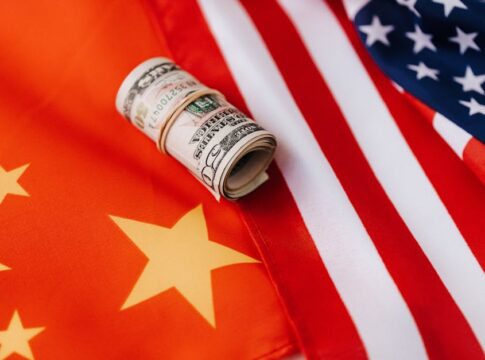
International Trade Deal Finalized: A New Era of Economic Cooperation
In a landmark development that promises to reshape global commerce, a comprehensive international trade agreement has been finalized after years of intensive negotiations. The deal, involving multiple nations across different continents, represents one of the most significant economic agreements in recent decades and is expected to impact billions of people worldwide through enhanced trade flows, reduced tariffs, and strengthened economic partnerships.
Overview of the Agreement
The newly finalized trade deal encompasses a wide range of sectors and establishes a framework for reduced trade barriers among participating nations. Negotiators have spent considerable time addressing complex issues including tariff reductions, intellectual property protections, labor standards, and environmental safeguards. The agreement aims to create a more integrated economic zone that facilitates the free movement of goods and services while maintaining necessary regulatory standards.
According to official statements, the deal will progressively eliminate tariffs on thousands of product categories over a specified implementation period. This phased approach allows industries and workers time to adjust to new competitive landscapes while ensuring that the benefits of free trade can be realized across all participating economies.
Key Provisions and Features
The trade agreement contains several groundbreaking provisions that distinguish it from previous international trade deals. These features reflect modern economic realities and address concerns that have emerged from earlier trade frameworks.
- Comprehensive tariff elimination across agricultural, manufacturing, and service sectors
- Strengthened intellectual property protections for innovation and creative works
- Enhanced labor standards requiring adherence to internationally recognized workers’ rights
- Environmental provisions linking trade benefits to climate commitments
- Digital trade facilitation measures for e-commerce and data flows
- Dispute resolution mechanisms for addressing trade conflicts
- Small and medium enterprise support programs to ensure broad-based participation
Economic Impact Projections
Economic analysts and research institutions have released preliminary assessments of the deal’s potential impact. Projections indicate substantial economic gains for participating nations, with estimates suggesting the agreement could add hundreds of billions of dollars to global economic output over the next decade.
Export-oriented industries are expected to see significant benefits from reduced tariff barriers and streamlined customs procedures. Manufacturing sectors, particularly those focused on intermediate goods and supply chain components, stand to gain from more efficient cross-border operations. Agricultural producers anticipate expanded market access, though some sensitive sectors have negotiated longer phase-in periods or maintained certain protections.
The service sector, including financial services, telecommunications, and professional services, will benefit from provisions that reduce regulatory barriers and enable greater cross-border service delivery. Digital economy provisions are particularly noteworthy, as they establish rules for data governance and electronic transactions that reflect the growing importance of digital trade.
Strategic and Political Significance
Beyond its economic dimensions, the finalized trade deal carries substantial geopolitical weight. The agreement strengthens diplomatic ties among participating nations and creates institutional mechanisms for ongoing cooperation. Trade officials have emphasized that the deal represents a commitment to rules-based international commerce at a time when multilateral cooperation faces various challenges.
The agreement also serves as a counterweight to protectionist trends that have emerged in various parts of the world. By demonstrating that nations can successfully negotiate complex trade agreements that balance economic openness with social and environmental concerns, the deal provides a template for future international economic cooperation.
Implementation Timeline and Next Steps
The finalized agreement now enters a ratification phase, during which participating nations must secure domestic approval through their respective legislative processes. This period typically involves parliamentary debates, committee reviews, and stakeholder consultations. Trade experts anticipate that most participating countries will complete ratification within the coming months, though timelines vary depending on domestic political calendars and constitutional requirements.
Once ratified, the agreement will be implemented according to a carefully structured timeline. Immediate tariff reductions will apply to certain product categories, while others will see gradual phase-outs over periods ranging from five to fifteen years. Regulatory harmonization measures will be introduced progressively, with technical working groups established to oversee implementation and address emerging issues.
Stakeholder Reactions and Concerns
Reactions to the finalized deal have been mixed, reflecting the complex nature of international trade agreements and their varied impacts across different sectors and communities. Business organizations and export-oriented industries have generally welcomed the agreement, citing opportunities for market expansion and economic growth.
Labor organizations have expressed cautious support while emphasizing the importance of effectively enforcing labor standards provisions. Environmental groups have similarly offered qualified endorsements, welcoming climate-related commitments while calling for robust monitoring and enforcement mechanisms.
Some domestic industries that face increased foreign competition have raised concerns about potential job displacement and economic disruption. In response, governments have announced adjustment assistance programs designed to help workers and businesses transition to new economic realities created by the agreement.
Long-Term Implications
The finalization of this major trade deal marks a significant milestone in international economic relations. Its success or failure will likely influence approaches to trade policy for years to come, affecting how nations balance economic integration with domestic policy priorities. As implementation proceeds, careful monitoring of outcomes will be essential to ensure that the agreement delivers on its promises of shared prosperity while addressing legitimate concerns about social and environmental impacts.
The deal represents a bet on the continued benefits of international economic cooperation and the possibility of crafting trade agreements that serve broad public interests rather than narrow commercial concerns. Its ultimate legacy will depend on effective implementation and the willingness of all parties to uphold their commitments in good faith.