
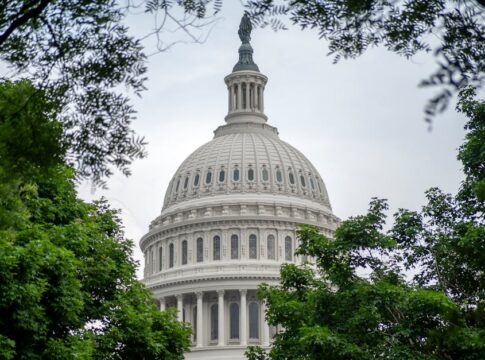
Lawmakers Push for Bipartisan National Reforms
In an era marked by political polarization, a growing coalition of lawmakers from both sides of the aisle is working to advance bipartisan national reforms across multiple policy areas. These collaborative efforts represent a departure from the partisan gridlock that has characterized much of recent Congressional activity, signaling a potential shift toward pragmatic governance and compromise on critical issues facing the nation.
The Return of Bipartisanship
After years of heightened partisan tensions, members of Congress are increasingly recognizing the necessity of cross-party collaboration to address pressing national concerns. Recent legislative sessions have witnessed the formation of numerous bipartisan working groups and caucuses dedicated to finding common ground on issues ranging from infrastructure and healthcare to criminal justice reform and national security.
Political analysts attribute this shift to several factors, including public frustration with Congressional dysfunction, electoral pressures in competitive districts, and the practical recognition that meaningful legislation requires support from both parties to overcome procedural hurdles and ensure durability beyond single-party control of government.
Key Areas of Reform
The bipartisan reform efforts currently underway span a diverse range of policy domains, reflecting both the breadth of challenges facing the nation and the potential for finding common ground on substantive issues.
Infrastructure Modernization
Infrastructure reform has emerged as a marquee area for bipartisan cooperation. Lawmakers from both parties recognize the critical need to upgrade aging roads, bridges, water systems, and broadband networks. The consensus around infrastructure stems from its clear benefits to constituents across the political spectrum and its potential to stimulate economic growth while addressing legitimate public safety concerns.
Recent bipartisan infrastructure proposals have included provisions for traditional physical infrastructure alongside investments in digital infrastructure, climate resilience, and clean energy technologies. These comprehensive approaches have attracted support from lawmakers representing both urban and rural constituencies, as well as from diverse regional interests.
Criminal Justice and Police Reform
Criminal justice reform represents another area where bipartisan momentum has built steadily. Lawmakers are working together on measures addressing sentencing disparities, prison reform, rehabilitation programs, and policing practices. The bipartisan nature of these efforts reflects evolving public opinion and a growing recognition that the current system requires significant improvements.
Key proposals under consideration include:
- Revisions to mandatory minimum sentencing guidelines
- Enhanced data collection and transparency requirements for law enforcement agencies
- Expanded funding for officer training and community policing initiatives
- Programs designed to reduce recidivism through education and job training
- Measures to improve accountability and oversight mechanisms
Healthcare and Prescription Drug Costs
Despite healthcare remaining a contentious partisan battleground, specific areas have attracted bipartisan attention, particularly regarding prescription drug pricing. Lawmakers from both parties have expressed concern about rising medication costs and their impact on constituents, creating opportunities for collaboration on targeted reforms.
Bipartisan working groups are exploring various approaches to controlling drug costs, including increased price transparency, reforms to patent systems, enhanced competition from generic medications, and potential limitations on price increases. While comprehensive healthcare reform remains elusive, these focused efforts demonstrate the potential for incremental progress on specific issues.
Technology Regulation and Data Privacy
The rapid evolution of technology and growing concerns about data privacy have created another arena for bipartisan cooperation. Lawmakers across the political spectrum have expressed concerns about the power of major technology companies, data security, online privacy, and the spread of misinformation on digital platforms.
Congressional committees have held numerous bipartisan hearings examining these issues, and various proposals for technology sector regulation are under development. Areas of focus include establishing national data privacy standards, enhancing consumer control over personal information, addressing anticompetitive practices, and developing frameworks for content moderation that balance free speech concerns with public safety.
Challenges to Bipartisan Efforts
Despite the momentum behind bipartisan reforms, significant obstacles remain. Partisan pressures, particularly during election cycles, can undermine collaborative efforts. Additionally, while lawmakers may agree on general principles, translating that agreement into specific legislative language often proves challenging as details expose underlying philosophical differences.
The influence of special interest groups and partisan media also complicates bipartisan cooperation. Lawmakers working across the aisle sometimes face criticism from their respective political bases, creating disincentives for compromise. Furthermore, procedural rules and the filibuster in the Senate require substantial bipartisan support for most legislation, raising the bar for successful reform efforts.
The Path Forward
The success of current bipartisan reform initiatives will likely depend on several factors, including sustained public support for collaborative governance, leadership commitment to prioritizing pragmatic solutions over partisan positioning, and the ability to demonstrate tangible results that justify continued cooperation.
Legislative experts suggest that building on small successes and focusing on areas of genuine overlap between party priorities offers the most promising path forward. By demonstrating that bipartisan collaboration can produce meaningful policy improvements, lawmakers may create momentum for tackling increasingly complex and contentious issues.
Conclusion
The current push for bipartisan national reforms represents a potentially significant development in American governance. While substantial challenges remain and partisan divisions persist on many fundamental issues, the willingness of lawmakers to work across party lines on specific policy areas offers hope for addressing critical national priorities. The ultimate success of these efforts will depend on sustained commitment to compromise, strategic focus on achievable goals, and the ability to deliver concrete results that demonstrate the value of bipartisan cooperation to constituents across the political spectrum. As these reform initiatives progress through the legislative process, they will serve as important tests of whether American democracy can overcome polarization to address the pressing challenges facing the nation.