
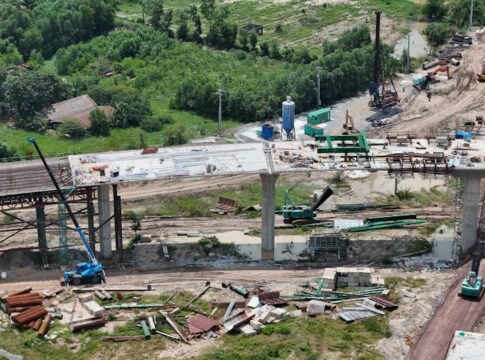
Nationwide Infrastructure Projects Move Into Next Phase
Major infrastructure initiatives across the United States are entering critical implementation stages as federal funding continues to flow to states and municipalities. Following the passage of landmark legislation in recent years, transportation departments, utility providers, and local governments are now shifting from planning to execution on projects designed to modernize America’s aging infrastructure.
Implementation Accelerates Across Multiple Sectors
The Infrastructure Investment and Jobs Act, which authorized significant federal investment in roads, bridges, broadband, water systems, and the electric grid, has moved beyond its initial distribution phase. State and local agencies report that funding allocations are now being converted into active construction projects, contract awards, and visible improvements to public infrastructure.
Transportation officials in multiple states indicate that bridge repair and replacement projects have entered the construction phase, with contractors mobilizing equipment and personnel to begin work on structures identified as structurally deficient or in poor condition. The Federal Highway Administration has processed funding requests for thousands of bridge projects nationwide, with many communities expecting to see work commence within the current calendar year.
Broadband Expansion Reaches Rural Communities
One of the most significant components entering its next phase involves broadband internet expansion to underserved and unserved areas. State broadband offices, many of which were newly created or expanded to handle the influx of federal funding, have completed initial mapping and needs assessment phases. These offices are now releasing requests for proposals and awarding contracts to internet service providers willing to extend high-speed connectivity to rural and remote regions.
The broadband initiatives represent a multi-year commitment, with officials acknowledging that complete deployment will extend well into the next decade. However, preliminary construction activities have begun in several states, with fiber optic cables being laid along rural highways and telecommunications companies establishing the backbone infrastructure needed to support expanded service areas.
Water Infrastructure Improvements Progress
Municipal water systems are receiving attention through dedicated funding streams aimed at replacing lead service lines and upgrading treatment facilities. The Environmental Protection Agency has distributed billions in state revolving fund allocations, enabling communities to address long-deferred maintenance and modernization needs.
Key water infrastructure priorities include:
- Lead service line replacement in older urban areas
- Water treatment plant upgrades to meet current standards
- Stormwater management system improvements
- Wastewater treatment facility modernization
- Drinking water quality monitoring system enhancements
Cities with documented lead contamination issues have prioritized service line replacement, with several major metropolitan areas announcing accelerated timelines for complete system upgrades. The work involves coordination between water utilities, property owners, and contractors to ensure minimal disruption while achieving public health objectives.
Electric Grid Modernization Initiatives
The nation’s electrical infrastructure is undergoing significant transformation as utilities implement grid hardening and clean energy integration projects. Funding allocations support transmission line upgrades, substation improvements, and the deployment of smart grid technologies designed to improve reliability and accommodate renewable energy sources.
Regional transmission organizations and independent system operators are coordinating multi-state projects to enhance grid resilience and capacity. These efforts involve complex regulatory approvals, environmental reviews, and stakeholder engagement processes that have now progressed to the construction phase for numerous projects.
Transportation Network Enhancements
Beyond bridges, comprehensive transportation improvements are advancing through various stages of implementation. Interstate highway rehabilitation projects, urban transit expansions, and freight rail capacity improvements are moving forward with federal support supplementing state and local funding.
Public transit agencies in multiple metropolitan areas report progress on expansion projects, including new rail lines, bus rapid transit corridors, and station improvements. These projects require extensive coordination with local communities and businesses, with many agencies conducting ongoing public outreach to minimize construction impacts.
Workforce Development and Supply Chain Considerations
The scale of infrastructure work entering active construction phases has generated attention to workforce availability and supply chain capacity. Industry associations and government agencies have collaborated on workforce development programs aimed at training skilled workers for construction, engineering, and technical positions required for project execution.
Material availability and cost considerations continue to influence project timelines. Supply chain disruptions that affected earlier phases have largely resolved, though procurement officers maintain vigilance regarding critical materials and components. Many agencies have adjusted contracting approaches to allow for price adjustments and extended delivery timelines when necessary.
Environmental Review and Permitting Progress
Streamlined environmental review processes implemented to accelerate project delivery are showing results as agencies complete assessments and issue permits. The focus on efficient review has not diminished environmental protections but has improved coordination among federal, state, and local agencies responsible for various approval requirements.
Projects incorporating environmental benefits, such as green infrastructure for stormwater management or electric vehicle charging station deployment, have received priority processing in many jurisdictions. These initiatives align infrastructure investment with climate and environmental objectives.
Monitoring and Accountability Measures
Federal oversight agencies have established reporting requirements and accountability measures to ensure infrastructure funding achieves intended outcomes. Regular progress reports, financial audits, and performance metrics help track project advancement and identify challenges requiring attention.
State and local agencies maintain public dashboards and information portals allowing citizens to monitor infrastructure investments in their communities. Transparency initiatives provide details on project locations, funding amounts, timelines, and completion status, enabling public awareness of how federal infrastructure dollars are being deployed.
As nationwide infrastructure projects transition from planning to implementation, the coming years will determine the success of this historic investment in America’s physical foundation. The coordination among multiple levels of government, private sector partners, and communities will prove essential to delivering lasting improvements to infrastructure systems that support economic activity and quality of life across the nation.