
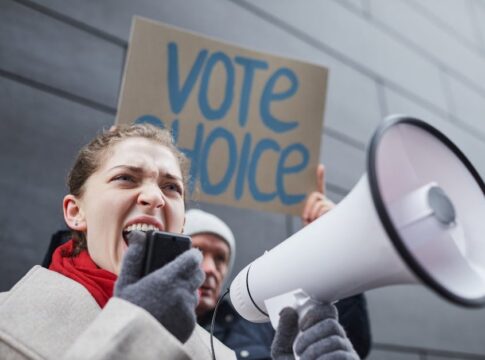
Public Education Becomes Political Battleground
Public education in many democratic nations has increasingly become a focal point for political debate and cultural conflict. What was once considered a relatively nonpartisan domain focused on pedagogy and student achievement has transformed into a contentious arena where ideological battles are waged over curriculum content, teaching methods, and the fundamental purpose of schooling itself. This shift has profound implications for educators, students, families, and society at large.
The Rise of Educational Politics
The politicization of public education is not entirely new, but its intensity has escalated significantly in recent years. Historically, debates over education policy centered primarily on funding levels, school choice, standardized testing, and teacher accountability. While these issues remain relevant, they have been joined—and often overshadowed—by cultural controversies that reflect deeper societal divisions.
Several factors have contributed to this transformation. The proliferation of social media has amplified disputes and enabled rapid mobilization around educational issues. Increased polarization in the broader political landscape has naturally extended into debates about what children should learn and how schools should operate. Additionally, the COVID-19 pandemic thrust education into the spotlight as parents gained unprecedented visibility into classroom instruction through remote learning, catalyzing new concerns and activism.
Key Areas of Contention
Curriculum and Historical Narratives
One of the most heated battlegrounds involves how history, particularly topics related to race, identity, and national heritage, should be taught in schools. Debates over critical race theory—an academic framework that examines how racism has shaped legal systems and social structures—have dominated school board meetings and legislative sessions, despite the framework itself rarely being taught in K-12 settings. These discussions have expanded to encompass broader questions about how to address historical injustices, systemic inequalities, and diverse perspectives in the curriculum.
Opponents of certain approaches argue that some curricula make students feel guilty about their identity or present an overly negative view of national history. Proponents counter that honest engagement with difficult historical topics is essential for developing informed citizens and that excluding diverse perspectives perpetuates ignorance and inequality.
Gender Identity and Sexual Orientation
Policies regarding LGBTQ+ students and content have become another flashpoint. Controversies range from bathroom access and sports participation for transgender students to age-appropriate discussions of gender identity and sexual orientation in classrooms. Some jurisdictions have enacted laws restricting such discussions, particularly in elementary grades, while others have implemented inclusive policies and curricula.
These debates involve competing views about parental rights, student wellbeing, religious beliefs, and the role of schools in addressing social issues. Advocacy groups on both sides have mobilized extensively, framing the issue as either protecting children from inappropriate content or ensuring that all students feel safe and represented in educational environments.
Book Bans and Library Content
School libraries have emerged as unexpected battlegrounds, with organized efforts to remove books addressing race, sexuality, gender identity, and other topics deemed controversial. The American Library Association has documented significant increases in book challenges in recent years, with many challenges targeting multiple titles simultaneously and coming from organized groups rather than individual parents.
Librarians and free speech advocates argue that book bans limit intellectual freedom and deprive students of opportunities to engage with diverse ideas and experiences. Those supporting removals contend they are exercising appropriate community oversight over age-appropriate content and protecting children from material they consider harmful or inappropriate.
Impact on Educators and Education Quality
The politicization of education has taken a measurable toll on the teaching profession. Surveys indicate that many educators feel caught in the crossfire of cultural battles, facing pressure from multiple directions while trying to focus on their core mission of teaching students. This environment has contributed to teacher stress, burnout, and exits from the profession, exacerbating existing teacher shortages.
Some educators report self-censoring to avoid controversy, even when discussing topics within established curriculum standards. Others face investigations, disciplinary action, or public harassment for their teaching choices. This climate can stifle academic freedom and innovation, potentially compromising educational quality.
Legislative Responses
Lawmakers in numerous jurisdictions have responded to these controversies by introducing legislation governing classroom instruction. These laws vary widely in scope and specificity, with some broadly restricting certain concepts or discussions and others mandating particular curricular approaches. Implementation of such laws has proven challenging, with educators and administrators sometimes uncertain about what is permitted and school districts facing legal challenges from multiple directions.
Consequences for Students and Society
Students themselves often become casualties of these battles. Educational disruptions, whether from book removals, curriculum changes, or the departure of experienced teachers, can affect learning quality. The politicized environment may also impact students’ ability to develop critical thinking skills and engage with diverse perspectives—competencies essential for participation in democratic society.
At a broader societal level, the transformation of education into a political battleground reflects and reinforces cultural fragmentation. When communities cannot find common ground on educational matters, it becomes increasingly difficult to maintain the shared civic culture that public education has historically helped create.
Looking Forward
The challenges facing public education require thoughtful approaches that prioritize student wellbeing and learning while respecting diverse community values. This may involve creating more structured opportunities for genuine dialogue among stakeholders, establishing clearer processes for curriculum development that balance expertise and community input, and rebuilding trust between schools and families.
Ultimately, the question is whether public education can navigate these divisions while maintaining its core mission of preparing informed, capable citizens. The answer will significantly shape both educational outcomes and the broader social fabric for generations to come.