
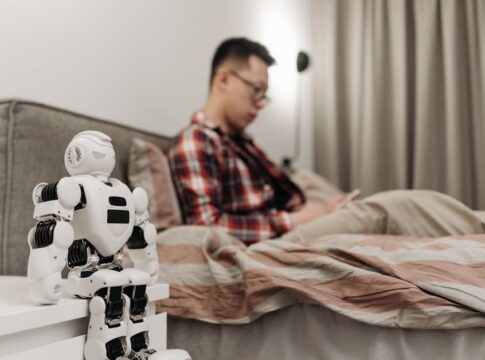
Rapid Guide: Home Automation Innovations
Home automation technology has evolved dramatically over the past decade, transforming residential spaces into intelligent environments that respond to occupant needs with minimal intervention. Today’s innovations extend far beyond simple programmable thermostats and lighting timers, encompassing sophisticated ecosystems that learn, adapt, and integrate seamlessly with daily life. This rapid guide explores the latest developments reshaping how households operate and interact with their living spaces.
Voice-Activated Control Systems
Voice recognition technology has become a cornerstone of modern home automation. Advanced natural language processing algorithms now enable systems to understand context, distinguish between different household members, and execute complex commands with remarkable accuracy. These platforms have progressed from basic on-off functions to managing intricate routines involving multiple devices across different rooms.
Contemporary voice assistants integrate with hundreds of compatible devices, creating centralized control hubs accessible through simple verbal commands. The technology has matured to recognize regional accents, multiple languages, and even whispered instructions, making automation more inclusive and practical for diverse households. Privacy-focused innovations now include local processing options that reduce reliance on cloud-based systems, addressing growing concerns about data security.
Energy Management and Sustainability
Smart energy management represents one of the most impactful areas of home automation innovation. Modern systems employ artificial intelligence to analyze consumption patterns, predict usage needs, and optimize energy distribution throughout the home. These platforms coordinate heating, cooling, lighting, and appliance operation to minimize waste while maintaining comfort.
Advanced Thermostat Technology
Next-generation thermostats utilize occupancy sensors, weather forecasting data, and machine learning algorithms to create adaptive climate control schedules. These devices recognize when residents are home, predict arrival times based on historical patterns, and adjust temperatures accordingly. Some models integrate with utility company systems to shift energy consumption to off-peak hours, reducing costs and grid strain.
Solar Integration and Battery Storage
Home automation systems increasingly coordinate with residential solar installations and battery storage solutions. Smart inverters and energy management systems optimize when to draw from solar panels, store excess energy, or pull from the grid based on real-time pricing and availability. This integration enables households to maximize renewable energy utilization while minimizing electricity expenses.
Security and Access Control Innovations
Security automation has advanced significantly beyond traditional alarm systems. Contemporary solutions employ multi-layered approaches combining various technologies to create comprehensive protection networks.
Intelligent Video Surveillance
Modern security cameras incorporate edge computing capabilities that enable real-time analysis of video feeds. Advanced computer vision algorithms distinguish between family members, regular visitors, delivery personnel, and unknown individuals. These systems can detect unusual behavior patterns, recognize package deliveries, and identify potential security threats with minimal false alarms. Some platforms now offer facial recognition features that can trigger personalized automation routines when specific individuals arrive home.
Smart Lock and Access Systems
Electronic lock technology has progressed to offer multiple authentication methods including biometrics, smartphone proximity detection, temporary digital keys, and traditional keypads. These systems log all access events, enable remote locking and unlocking, and integrate with broader home automation platforms to trigger lighting, climate, and security responses when doors are accessed.
Health and Wellness Monitoring
Emerging home automation technologies increasingly focus on occupant health and wellness. Environmental sensors monitor air quality, detecting volatile organic compounds, carbon monoxide, carbon dioxide levels, humidity, and particulate matter. Advanced systems automatically activate ventilation, air purification, or humidification equipment to maintain optimal conditions.
Sleep optimization technology represents a growing segment within wellness automation. Smart mattresses, adjustable bases, and environmental controls work together to create ideal sleeping conditions by monitoring sleep stages, adjusting firmness, regulating temperature, and modulating lighting and sound levels throughout the night.
Kitchen and Appliance Intelligence
Kitchen automation has evolved beyond simple programmable coffee makers. Contemporary innovations include refrigerators with internal cameras and inventory management systems that track food freshness, suggest recipes based on available ingredients, and automatically generate shopping lists. Smart ovens employ precise temperature control and cooking algorithms that adjust timing and heat distribution based on food type and desired results.
Dishwashers and washing machines now feature sensors that detect load size, soil levels, and fabric types to optimize water usage, detergent amounts, and cycle duration. These appliances can schedule operation during off-peak energy periods and send completion notifications to smartphones.
Integration and Interoperability Standards
The fragmentation that once plagued home automation is gradually diminishing thanks to industry-wide standardization efforts. New protocols enable devices from different manufacturers to communicate seamlessly, creating more cohesive automation ecosystems. These standards support local network operation, reducing latency and dependence on internet connectivity.
Matter Protocol Adoption
The Matter standard represents a significant advancement in device interoperability, allowing products from various manufacturers to work together regardless of the controlling platform. This development simplifies system expansion and reduces compatibility concerns that previously complicated automation planning.
Future Trajectory and Considerations
Home automation continues advancing toward increasingly autonomous operation. Predictive algorithms will further refine system responsiveness, anticipating needs before manual intervention becomes necessary. Integration with electric vehicle charging, home healthcare equipment, and municipal infrastructure will expand automation scope beyond traditional boundaries.
As these technologies mature, considerations regarding data privacy, cybersecurity, and system resilience become paramount. Manufacturers and consumers must balance convenience with appropriate safeguards to ensure automation enhances rather than compromises household security and privacy.
The rapid evolution of home automation technology offers unprecedented opportunities to create more efficient, comfortable, and responsive living environments. Understanding these innovations enables informed decisions about which systems best serve specific household needs and priorities.