
Rapid Overview: Virtual Reality Trends
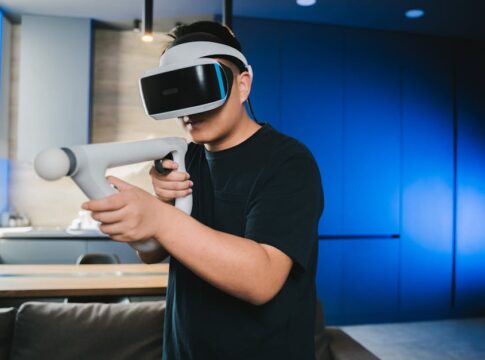
Virtual reality has evolved from a futuristic concept into a transformative technology reshaping multiple industries. As hardware becomes more accessible and software capabilities expand, VR is experiencing unprecedented growth and innovation. Understanding the current trends in this dynamic field is essential for businesses, developers, and technology enthusiasts navigating the digital landscape.
The Mainstream Adoption Acceleration
Virtual reality has crossed a critical threshold from niche technology to mainstream adoption. The global VR market has experienced substantial growth, with projections indicating continued expansion through the coming years. This acceleration is driven by improved hardware affordability, enhanced user experiences, and broader application across industries beyond gaming and entertainment.
Consumer VR headsets have become significantly more accessible, with major technology companies releasing devices at various price points to capture different market segments. The standalone headset category has particularly gained traction, eliminating the need for expensive gaming computers or external sensors. This accessibility has opened VR experiences to a wider demographic, from casual users to professional applications.
Enterprise and Professional Applications
The enterprise sector represents one of the fastest-growing segments for virtual reality adoption. Organizations across industries are discovering practical applications that deliver measurable returns on investment.
Training and Education
Virtual reality has revolutionized training programs in high-stakes industries. Medical professionals practice complex surgical procedures in risk-free virtual environments. Aviation companies utilize VR simulations for pilot training, reducing costs associated with physical flight time. Manufacturing organizations implement virtual training modules to familiarize workers with equipment operations before stepping onto production floors.
Educational institutions are incorporating VR to create immersive learning experiences. Students explore historical events, conduct virtual laboratory experiments, and visualize complex scientific concepts in three-dimensional space. This hands-on approach enhances engagement and retention compared to traditional educational methods.
Design and Prototyping
Architects, engineers, and product designers increasingly rely on virtual reality for visualization and collaboration. VR enables stakeholders to experience designs at full scale before physical construction begins. Automotive manufacturers use virtual reality to evaluate vehicle interiors, test ergonomics, and refine aesthetics. This approach accelerates development cycles and reduces costs associated with physical prototypes.
Social VR and Metaverse Development
The concept of persistent virtual worlds where users socialize, work, and play has gained substantial momentum. Social VR platforms offer spaces for virtual gatherings, concerts, conferences, and collaborative workspaces. These environments provide presence and interaction levels impossible through traditional video conferencing.
Major technology corporations have invested heavily in metaverse infrastructure, developing platforms that blend virtual reality, augmented reality, and traditional internet experiences. While still in developmental stages, these initiatives indicate a shift toward more immersive digital interaction models. Virtual real estate, digital goods, and virtual economies have emerged as significant components of these ecosystems.
Technical Advancements Shaping VR
Hardware Innovations
Recent hardware developments have addressed longstanding VR challenges. Display technology improvements have increased resolution and refresh rates, reducing the screen-door effect that plagued earlier devices. Field of view expansion creates more immersive experiences that better mimic natural human vision.
Eye-tracking technology has become increasingly sophisticated, enabling foveated rendering techniques that optimize computational resources. This advancement allows devices to render high-quality graphics where users focus while reducing detail in peripheral vision, improving performance without sacrificing visual quality.
Haptic feedback systems have evolved beyond simple vibrations. Advanced controllers and suits provide nuanced tactile sensations, enhancing immersion by allowing users to feel textures, resistance, and environmental interactions within virtual spaces.
Wireless and Standalone Systems
The elimination of tethered connections represents a significant leap forward in VR usability. Wireless systems provide freedom of movement without cable management concerns. Standalone headsets with integrated processing power have removed barriers to entry, eliminating requirements for expensive external hardware.
Healthcare and Therapeutic Applications
The healthcare industry has embraced virtual reality for therapeutic interventions and patient care. VR-based exposure therapy helps patients address phobias and anxiety disorders in controlled, gradual environments. Pain management programs utilize immersive experiences to reduce patient discomfort during medical procedures and rehabilitation.
Physical therapy applications guide patients through exercises with real-time feedback and gamified experiences that improve adherence. Cognitive rehabilitation programs assist stroke and brain injury patients in recovery through targeted virtual activities designed to rebuild neural pathways.
Challenges and Considerations
Despite significant progress, virtual reality faces ongoing challenges. Motion sickness remains an issue for some users, though improved latency and refresh rates have reduced its prevalence. Content creation requires specialized skills and resources, limiting the volume of high-quality experiences available.
Privacy and security concerns grow as VR systems collect increasing amounts of biometric and behavioral data. Industry standards for data protection and user privacy continue to develop in response to these concerns.
Future Trajectory
Virtual reality trends point toward increasing integration with daily life. Mixed reality capabilities that blend virtual and physical environments are expanding. Artificial intelligence integration promises more responsive and adaptive virtual experiences. Cloud-based VR streaming may further reduce hardware requirements, making experiences accessible through lighter, less expensive devices.
As 5G networks expand, mobile VR experiences will benefit from reduced latency and improved streaming capabilities. Cross-platform compatibility and interoperability between virtual environments will likely improve, creating more seamless experiences across devices and platforms.
Conclusion
Virtual reality has transitioned from experimental technology to practical tool with applications spanning entertainment, enterprise, healthcare, and education. Current trends indicate continued growth driven by technical improvements, expanding use cases, and increasing accessibility. Organizations and individuals who understand these developments position themselves to leverage VR’s transformative potential as it continues reshaping how people work, learn, and interact in digital spaces.