
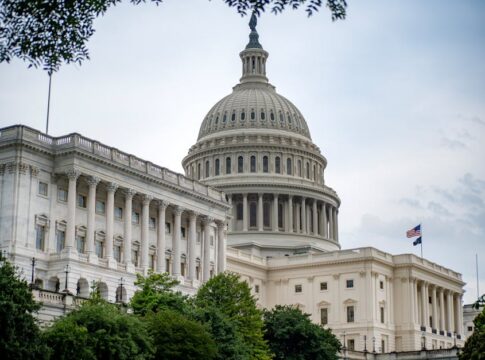
Senate Negotiations Intensify Over Bipartisan Bill
As political divisions continue to challenge the legislative process in Washington, a renewed effort to forge bipartisan consensus has taken center stage in the United States Senate. Lawmakers from both sides of the aisle are engaged in intensive negotiations aimed at crafting legislation that can garner sufficient support to overcome procedural hurdles and advance to a final vote. The intensification of these discussions reflects both the urgency of addressing pressing national concerns and the growing recognition that cooperation may be essential to achieving meaningful policy outcomes.
The Framework of Bipartisan Negotiations
Bipartisan negotiations in the Senate typically involve a core group of legislators who work to identify areas of common ground while addressing the concerns of their respective caucuses. These discussions often take place behind closed doors, with negotiators meeting regularly to hammer out the specific language and provisions of proposed legislation. The process requires careful balancing of competing priorities, strategic compromises, and a willingness to move beyond partisan talking points to find practical solutions.
In the current legislative environment, achieving bipartisan agreement has become increasingly challenging. However, the intensification of these negotiations suggests that key senators believe a deal is within reach. The discussions have reportedly involved extensive input from committee staff, policy experts, and stakeholders who can provide technical expertise and help anticipate potential implementation challenges.
Key Issues Under Consideration
While bipartisan bills can address a wide range of policy areas, several factors typically influence the negotiation process:
- Budget implications and cost projections
- Implementation timelines and federal agency responsibilities
- State versus federal jurisdiction and authority
- Regulatory requirements and compliance mechanisms
- Sunset provisions and reauthorization schedules
- Amendments and modifications to existing law
Negotiators must address each of these elements while ensuring that the final product can attract sufficient support from senators across the political spectrum. This often requires creative problem-solving and a willingness to structure provisions in ways that address multiple perspectives simultaneously.
The Role of Leadership
Senate leadership plays a crucial role in facilitating bipartisan negotiations, even when they may not be directly involved in the detailed policy discussions. Majority and minority leaders must determine when to bring legislation to the floor, how to structure debate and amendment processes, and whether to invest political capital in supporting compromise agreements. Their strategic decisions can significantly impact whether bipartisan efforts succeed or falter.
Committee chairs and ranking members also serve as critical facilitators of bipartisan cooperation. Their expertise in specific policy areas and their relationships with colleagues on both sides of the aisle can help bridge divides and identify potential pathways to agreement. When negotiations intensify, these leaders often become more directly engaged, using their influence to encourage flexibility and prevent breakdowns in the process.
Procedural Considerations
The Senate’s unique procedural rules significantly influence bipartisan negotiations. The filibuster, which requires 60 votes to advance most legislation to a final vote, creates a powerful incentive for bipartisan cooperation. Unless a bill can be passed through the budget reconciliation process, which allows certain fiscal legislation to advance with a simple majority, proponents must secure support from members of both parties.
This procedural reality shapes negotiating strategies in important ways. Legislators must consider not only whether a bill can attract majority support but whether it can overcome potential filibusters. This often means making concessions to secure the support of senators whose votes are essential to reaching the 60-vote threshold.
Stakeholder Engagement and External Pressure
As negotiations intensify, outside groups and stakeholders often increase their engagement with the legislative process. Industry associations, advocacy organizations, think tanks, and other interested parties mobilize to influence the content of proposed legislation. They may provide technical analysis, suggest alternative policy approaches, or lobby senators directly to support or oppose specific provisions.
This external pressure can both facilitate and complicate negotiations. On one hand, stakeholder input can help legislators identify problems with draft language and develop more effective policy solutions. On the other hand, powerful interest groups may push negotiators away from compromise positions, making it harder to maintain bipartisan support.
Timeline and Momentum
The intensity of bipartisan negotiations often reflects specific timeline pressures. Legislative windows may be closing due to approaching recesses, upcoming elections, or deadlines related to program reauthorizations or funding expirations. When negotiators sense that time is running out, they may accelerate their discussions and show greater flexibility on contentious issues.
Maintaining momentum is crucial to the success of bipartisan efforts. If negotiations drag on too long without visible progress, support may erode as senators face pressure from constituents or interest groups opposed to compromise. Conversely, a sense of forward movement can build political momentum and make it easier to overcome remaining obstacles.
Challenges and Uncertainties
Despite intensified negotiations, significant challenges remain. Partisan political considerations, particularly in election years, can undermine even the most promising bipartisan discussions. Individual senators may face pressure from primary challengers or party activists who view compromise as unacceptable. Additionally, unexpected political developments or changes in national circumstances can shift priorities and derail ongoing negotiations.
Looking Ahead
As Senate negotiations continue, the outcome remains uncertain. Success will depend on the ability of negotiators to maintain trust, find creative solutions to remaining disagreements, and convince their colleagues that compromise serves important national interests. The intensity of current discussions suggests that key participants believe agreement is possible, but significant work remains before any bipartisan bill can be finalized and brought to the Senate floor for consideration.
The process underway in the Senate demonstrates both the challenges and the potential of bipartisan legislating in a deeply divided political environment. Whether these intensified negotiations ultimately produce meaningful legislation will have implications not only for the specific policy issues at stake but also for the broader question of whether Congress can effectively address the nation’s most pressing challenges through cooperative, cross-party efforts.