
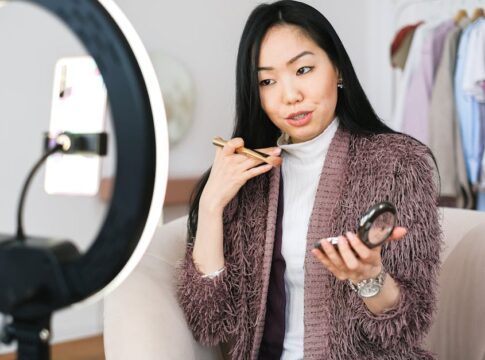
Social Media Influencer Controversy Escalates
The digital landscape has been rocked by a growing wave of controversies surrounding social media influencers, raising critical questions about accountability, transparency, and the responsibilities of content creators in the modern age. What began as isolated incidents has evolved into a systemic issue affecting platforms, brands, and millions of followers worldwide.
The Rising Tide of Controversy
Social media influencers have become powerful voices in the digital economy, wielding significant influence over consumer behavior and public opinion. However, recent months have witnessed an unprecedented escalation in controversies involving these digital personalities, ranging from misleading advertising practices to more serious allegations of fraudulent behavior and ethical violations.
The influencer industry, now valued at over $16 billion globally, has reached a critical juncture where the lack of regulation and oversight has created an environment ripe for problematic behavior. Content creators with millions of followers are facing increased scrutiny from audiences, regulatory bodies, and fellow creators who are calling for greater accountability and ethical standards.
Key Areas of Concern
Several specific issues have emerged as focal points in the ongoing controversy:
- Undisclosed paid partnerships and sponsored content that violates advertising disclosure requirements
- Promotion of questionable products, including unproven health supplements and cryptocurrency schemes
- Fake engagement metrics, including purchased followers and manufactured interactions
- Misleading lifestyle portrayals that create unrealistic expectations among followers
- Inappropriate content targeting younger audiences without adequate safeguards
Regulatory Response and Platform Actions
Regulatory authorities across multiple jurisdictions have begun taking action against influencers who violate advertising standards and consumer protection laws. The Federal Trade Commission in the United States has issued updated guidelines requiring clear disclosure of paid partnerships, while European regulators have implemented stricter rules governing influencer marketing practices.
Major social media platforms have also responded to the escalating controversies by implementing new policies and enforcement mechanisms. These measures include enhanced verification processes, stricter content moderation, and improved tools for identifying paid partnerships. However, critics argue that these actions remain insufficient given the scale and complexity of the problems.
Platform executives have acknowledged the challenges in policing influencer content while maintaining the creative freedom that has made social media successful. The balance between regulation and innovation remains a contentious issue, with stakeholders advocating for different approaches to address the ongoing controversies.
Impact on Brand Partnerships
The escalating controversies have created significant repercussions for brands that partner with influencers. Companies are facing increased reputational risks when their associated influencers become embroiled in scandals or engage in problematic behavior. This has led to a fundamental reassessment of influencer marketing strategies across industries.
Major corporations have begun implementing more rigorous vetting processes before entering partnerships with content creators. These processes now include comprehensive background checks, social media audits, and contractual clauses that allow brands to terminate relationships if influencers engage in controversial behavior.
The shift has also prompted the emergence of specialized agencies and consulting firms that help brands navigate the complex landscape of influencer partnerships. These organizations provide risk assessment services, contract management, and crisis response planning to protect brand interests in an increasingly volatile environment.
Audience Reaction and Trust Erosion
Perhaps most significantly, the controversies have led to a notable erosion of trust between influencers and their audiences. Survey data indicates that consumers are becoming increasingly skeptical of influencer recommendations, with many questioning the authenticity of content and the motivations behind product endorsements.
This trust deficit has manifested in several ways across social media platforms. Engagement rates for some influencers have declined, follower growth has slowed, and audiences are more likely to challenge or question content they perceive as inauthentic or misleading. The phenomenon has given rise to a counter-movement celebrating “authentic” content creators who prioritize transparency and genuine connections with their audiences.
Industry Reform Initiatives
In response to the escalating controversies, various stakeholders have launched initiatives aimed at reforming the influencer industry. Professional organizations representing content creators have developed codes of conduct and best practice guidelines designed to promote ethical behavior and accountability.
Educational programs have emerged to help influencers understand their legal obligations, ethical responsibilities, and the long-term implications of their content choices. These initiatives represent an attempt by the industry to self-regulate before more stringent government intervention becomes necessary.
Technology companies are also developing new tools to enhance transparency in influencer marketing. These innovations include automated disclosure systems, authenticity verification mechanisms, and analytics platforms that help identify suspicious engagement patterns.
Looking Forward
The escalating controversies surrounding social media influencers represent a watershed moment for the digital content industry. The outcome of current debates and regulatory efforts will likely shape the future of influencer marketing and social media commerce for years to come.
Experts predict that the industry will see continued consolidation, with professional, ethically-minded influencers thriving while those engaged in questionable practices face increasing marginalization. The evolution toward greater transparency and accountability appears inevitable, driven by regulatory pressure, platform policies, and audience expectations.
As the situation continues to develop, all stakeholders including influencers, platforms, brands, and audiences must work together to establish sustainable frameworks that promote creativity and commerce while protecting consumers and maintaining public trust. The resolution of these controversies will require ongoing dialogue, adaptive regulation, and a commitment to ethical standards that prioritize long-term sustainability over short-term gains.