
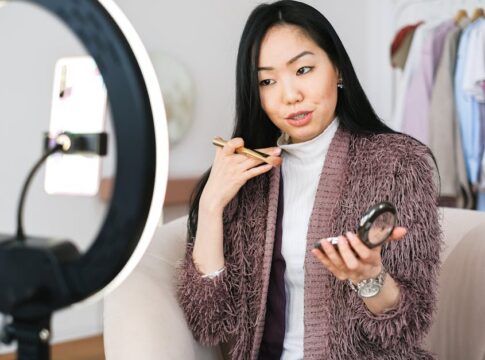
Social Media Influencer Controversy Escalates
The world of social media influencing has once again found itself at the center of public scrutiny as controversies involving prominent content creators continue to escalate across multiple platforms. What began as isolated incidents has evolved into a broader conversation about accountability, transparency, and the responsibilities that come with digital influence in the modern age.
The Growing Power of Digital Influence
Social media influencers have become powerful figures in contemporary culture, wielding significant influence over consumer behavior, public opinion, and social trends. With millions of followers across platforms such as Instagram, TikTok, YouTube, and Twitter, these content creators have transformed from casual users into professional brand ambassadors and cultural tastemakers. However, this rapid rise to prominence has not been without its challenges and controversies.
The influencer marketing industry has grown exponentially over the past decade, now valued at billions of dollars annually. This growth has attracted individuals from diverse backgrounds, each seeking to capitalize on the opportunity to build personal brands and monetize their online presence. Yet, as the stakes have risen, so too have the ethical questions surrounding influencer conduct and business practices.
Recent Controversies and Their Impact
Several high-profile controversies have emerged in recent months, sparking widespread debate about influencer accountability. These incidents range from undisclosed sponsorships and misleading product endorsements to more serious allegations involving fraudulent business practices and inappropriate conduct. The cumulative effect of these controversies has been a significant erosion of trust between influencers and their audiences.
One of the most prevalent issues involves the failure to properly disclose paid partnerships and sponsored content. Despite regulations requiring clear disclosure of commercial relationships, many influencers continue to blur the lines between genuine recommendations and paid promotions. This lack of transparency has led to regulatory investigations and increased scrutiny from consumer protection agencies worldwide.
Additionally, controversies have erupted over influencers promoting products or services that prove to be ineffective, overpriced, or in some cases, potentially harmful. From questionable dietary supplements to dubious investment schemes, the promotion of such products has raised serious concerns about due diligence and ethical responsibility in influencer marketing.
The Role of Platform Accountability
Social media platforms themselves have come under fire for their handling of influencer-related controversies. Critics argue that these companies have been slow to implement adequate safeguards and enforcement mechanisms to protect users from misleading or harmful content. The platforms face a delicate balancing act between allowing creative freedom and implementing necessary oversight.
In response to mounting pressure, several major platforms have introduced new policies and features aimed at increasing transparency and accountability. These measures include:
- Enhanced disclosure requirements for sponsored content
- Improved reporting mechanisms for problematic content
- Stricter enforcement of community guidelines
- Educational resources for both creators and audiences
- Verification systems to authenticate creator credentials
However, critics argue that these measures remain insufficient and that platforms must do more to actively monitor and regulate influencer activity, particularly when it involves commercial transactions or potentially harmful content.
Regulatory Response and Legal Implications
Government agencies and regulatory bodies around the world have begun taking a more active role in addressing influencer-related issues. Consumer protection agencies have issued guidelines and, in some cases, penalties for violations of advertising standards. These regulatory actions signal a shift toward treating influencer marketing with the same level of scrutiny as traditional advertising.
Legal experts note that influencers may face increasing liability for the products and services they promote, particularly if they make false or misleading claims. Several lawsuits have been filed against influencers who promoted failed business ventures or products that caused harm to consumers. These legal challenges serve as a reminder that influencer status does not provide immunity from accountability.
The Audience Reaction and Changing Dynamics
Perhaps most significantly, audiences themselves have become more skeptical and discerning in their consumption of influencer content. Social media users are increasingly vocal in calling out perceived dishonesty, hypocrisy, or questionable behavior from influencers they follow. This shift in audience sentiment has led to numerous “cancel culture” incidents, where influencers face severe backlash and loss of followers due to controversial actions or statements.
The rise of watchdog accounts and critical commentary channels has further amplified audience scrutiny. These platforms dedicated to analyzing and critiquing influencer behavior have gained substantial followings themselves, creating a new layer of accountability within the social media ecosystem.
The Path Forward for Influencer Culture
As controversies continue to mount, many industry observers believe that the influencer landscape is at a crossroads. The future may see a bifurcation between influencers who prioritize authenticity and transparency, and those who continue to operate in ethically questionable ways. Market forces, regulatory pressure, and audience preferences will likely determine which approach proves more sustainable in the long term.
Professional organizations and industry groups have begun developing codes of conduct and best practices for influencers, attempting to establish professional standards for this relatively new field. Some influencers have proactively embraced these standards, recognizing that maintaining audience trust is essential for long-term success.
Conclusion
The escalating controversies surrounding social media influencers reflect broader questions about trust, authenticity, and responsibility in the digital age. As the industry continues to mature, all stakeholders—including influencers, platforms, regulators, and audiences—must work together to establish a framework that protects consumers while allowing for creative expression and legitimate commercial activity. The resolution of these controversies will likely shape the future of digital influence for years to come, determining how this powerful form of communication evolves in an increasingly connected world.