
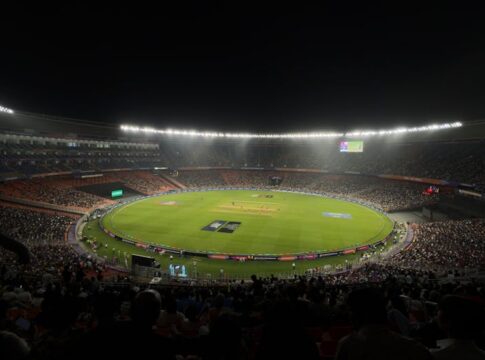
Major City Hosts International Sports Event: A Comprehensive Overview
The global sports landscape continues to evolve as major metropolitan areas compete for the privilege of hosting prestigious international sporting events. These large-scale competitions bring together athletes, spectators, and media from around the world, transforming host cities into temporary epicenters of athletic excellence and cultural exchange. The economic, social, and infrastructural implications of hosting such events have become increasingly significant in urban planning and international relations.
The Selection Process and Preparation
When a major city successfully bids to host an international sports event, the journey from selection to opening ceremony typically spans several years. The bidding process itself requires extensive documentation, financial commitments, and detailed proposals outlining venue locations, transportation infrastructure, security measures, and accommodation facilities. Cities must demonstrate their capability to manage logistics on an unprecedented scale while showcasing their unique cultural identity and hospitality.
Preparation phases involve coordination among multiple stakeholders, including government agencies, private sector partners, international sporting federations, and local organizing committees. Infrastructure development often accelerates during this period, with cities investing in transportation networks, sporting venues, and communication systems. These preparations extend beyond physical infrastructure to include training programs for volunteers, security personnel, and hospitality staff who will interact with international visitors.
Economic Impact and Investment
The economic implications of hosting international sports events generate considerable debate among economists, policymakers, and urban planners. Proponents emphasize the immediate economic stimulus created through construction projects, tourism revenue, and global media exposure. Host cities typically experience significant increases in hotel occupancy rates, restaurant patronage, and retail sales during the event period.
The financial investment required to host such events includes:
- Construction or renovation of sports venues and facilities
- Enhancement of transportation infrastructure, including roads, railways, and airports
- Security and emergency response systems
- Technology and telecommunications upgrades
- Marketing and promotional campaigns
- Operational costs for event management and coordination
Long-term economic benefits depend largely on how effectively cities leverage their investment beyond the event itself. Successful host cities often experience sustained increases in tourism, enhanced international reputation, and improved infrastructure that serves residents for decades. However, critics point to cases where venues become underutilized after events conclude, representing significant ongoing maintenance costs without corresponding revenue streams.
Urban Development and Infrastructure Legacy
International sports events frequently serve as catalysts for urban renewal and infrastructure modernization. Host cities utilize these occasions to implement development projects that might otherwise face budgetary or political obstacles. Transportation systems receive particular attention, with expanded metro lines, improved road networks, and enhanced airport facilities becoming common legacies of major sporting events.
The concept of legacy planning has gained prominence in recent years, with organizing committees increasingly focused on ensuring that infrastructure investments provide lasting benefits to local communities. This approach emphasizes multipurpose facilities that can transition to community use, sustainable construction practices, and developments aligned with long-term urban planning objectives.
Cultural Exchange and Global Exposure
Beyond economics and infrastructure, international sports events facilitate unprecedented cultural exchange. Athletes, officials, and spectators from diverse backgrounds converge in host cities, creating opportunities for intercultural dialogue and understanding. These events showcase local culture, cuisine, and traditions to global audiences through opening and closing ceremonies, cultural programs, and media coverage.
The global media attention accompanying major sports events provides host cities with invaluable exposure. Broadcast coverage reaches billions of viewers worldwide, presenting opportunities to reshape international perceptions and establish cities as desirable destinations for tourism, business investment, and future events. This soft power dimension has become increasingly important in international relations and city branding strategies.
Security and Safety Considerations
Ensuring the safety of athletes, officials, and spectators represents a paramount concern for host cities. Security planning involves coordination among local law enforcement, national security agencies, and international partners. Comprehensive security frameworks address various potential threats while maintaining an atmosphere that welcomes international visitors.
Modern security approaches utilize advanced technology, including surveillance systems, cybersecurity measures, and emergency response protocols. The scale of security operations for major international sports events often represents the largest peacetime security undertaking that cities experience, requiring months of planning and thousands of trained personnel.
Environmental Sustainability
Contemporary international sports events increasingly prioritize environmental sustainability. Host cities face growing pressure to minimize ecological footprints through carbon-neutral operations, waste reduction programs, and sustainable construction practices. Green building certifications, renewable energy utilization, and public transportation promotion have become standard considerations in event planning.
Environmental legacy considerations include the long-term sustainability of venues and infrastructure, with emphasis on designs that minimize energy consumption and environmental impact throughout their operational lifespan. Many organizing committees now implement comprehensive sustainability plans that address everything from venue construction materials to waste management during the event.
Challenges and Considerations
Despite the numerous benefits, hosting international sports events presents significant challenges. Budget overruns frequently occur, with final costs often exceeding initial projections. Displacement of residents for venue construction, disruption to daily life during events, and opportunity costs of alternative infrastructure investments represent legitimate concerns that cities must address.
The success of international sports events ultimately depends on comprehensive planning, effective execution, and strategic vision that extends beyond the event itself. Cities that approach hosting opportunities as catalysts for sustainable development and community enhancement tend to realize the greatest long-term benefits from their investment and effort.