
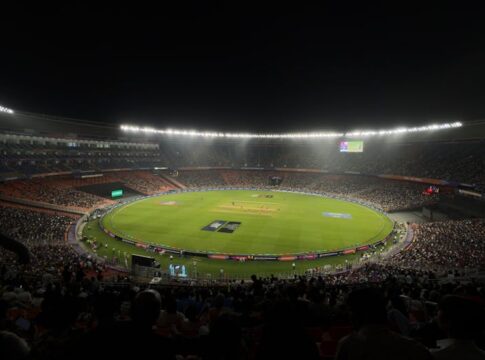
Major City Hosts International Sports Event: A Comprehensive Overview
The hosting of international sports events has become a defining characteristic of major metropolitan areas seeking to establish their presence on the global stage. These spectacular gatherings bring together athletes, spectators, and media from around the world, creating economic opportunities, infrastructure development, and lasting cultural impacts for host cities. As urban centers compete for the privilege of hosting prestigious sporting competitions, the implications extend far beyond the playing fields and into the fabric of city life itself.
The Significance of Hosting International Sports Events
When a major city secures the rights to host an international sports event, it represents years of planning, substantial financial investment, and coordinated efforts across multiple sectors. These events range from world championships in specific sports to multi-sport competitions that draw thousands of participants and millions of viewers worldwide. The selection process itself is highly competitive, with cities presenting detailed proposals outlining their infrastructure capabilities, security measures, accommodation facilities, and vision for delivering a successful event.
The prestige associated with hosting such events cannot be overstated. Cities gain international recognition and media exposure that money cannot buy through traditional marketing channels. Television broadcasts, digital streaming, and social media coverage reach billions of people across continents, showcasing the host city’s landmarks, culture, and hospitality to a global audience. This exposure often translates into increased tourism long after the final competition concludes.
Economic Impact and Investment
The economic implications of hosting international sports events are multifaceted and substantial. Cities typically experience significant economic activity across various sectors during the planning, execution, and post-event phases.
Direct Economic Benefits
Host cities benefit from immediate economic injections through various channels. Visitor spending on accommodation, dining, transportation, and entertainment creates revenue streams for local businesses. The construction and renovation of sports facilities, infrastructure improvements, and temporary structures generate employment opportunities and contracts for local companies. Sponsorship deals, broadcasting rights, and ticket sales contribute to the overall economic boost.
Long-term Economic Considerations
Beyond immediate financial gains, cities must consider the long-term economic sustainability of their investments. The development of sports venues, transportation networks, and hospitality infrastructure can serve communities for decades if properly planned. However, the risk of creating underutilized facilities, commonly referred to as “white elephants,” remains a concern that requires careful post-event planning and adaptive reuse strategies.
Infrastructure Development and Urban Transformation
International sports events often serve as catalysts for accelerated urban development and infrastructure modernization. Host cities typically undertake ambitious projects to meet the demanding requirements of these competitions.
Transportation Networks
Improvements to public transportation systems frequently accompany event preparations. Cities expand metro lines, upgrade airports, develop dedicated bus rapid transit routes, and enhance road networks to accommodate the influx of visitors and ensure efficient movement throughout the metropolitan area. These transportation enhancements benefit residents long after the event concludes, improving daily commutes and connectivity.
Sports and Recreation Facilities
The construction or renovation of world-class sports facilities represents one of the most visible legacies of hosting international events. These venues must meet strict international standards while incorporating cutting-edge technology and sustainability features. When properly integrated into community planning, these facilities become valuable assets for local sports development, public health initiatives, and future event hosting opportunities.
Social and Cultural Impacts
The influence of international sports events extends into the social and cultural dimensions of urban life, creating opportunities for community engagement and cultural exchange.
Community Engagement and Volunteering
Major sporting events mobilize thousands of volunteers who contribute their time and skills to ensure successful operations. This volunteer workforce gains valuable experience, develops new competencies, and fosters civic pride. The collaborative spirit generated during these events often strengthens community bonds and inspires continued civic participation.
Cultural Exchange and Global Connection
The convergence of diverse populations during international sports events creates unique opportunities for cultural exchange. Host cities showcase their cultural heritage through opening ceremonies, cultural festivals, and public programming that runs parallel to sporting competitions. Visitors gain exposure to local traditions, cuisine, and artistic expressions, while residents engage with global cultures represented by participating nations.
Challenges and Considerations
Despite the numerous benefits, hosting international sports events presents significant challenges that cities must navigate carefully.
- Financial risk: Budget overruns and unforeseen expenses can strain public finances and divert resources from other municipal priorities.
- Displacement concerns: Development projects may require relocation of residents or businesses, raising social equity questions.
- Security requirements: Ensuring the safety of participants and spectators demands extensive security measures and coordination among various agencies.
- Environmental impact: Construction activities, increased energy consumption, and visitor carbon footprints raise sustainability concerns that require mitigation strategies.
- Traffic disruption: Event-related activities can cause significant traffic congestion and disruption to daily life for residents.
Sustainability and Future Considerations
Modern host cities increasingly prioritize sustainability in their event planning and execution. This includes utilizing renewable energy sources, implementing waste reduction programs, constructing temporary rather than permanent facilities where appropriate, and ensuring that infrastructure investments align with long-term urban development goals. The emphasis on sustainable hosting reflects growing awareness of environmental responsibilities and the need to create lasting positive impacts rather than short-term spectacles.
Conclusion
The hosting of international sports events represents a complex undertaking that can transform major cities in profound ways. When executed with careful planning, community engagement, and sustainable practices, these events deliver economic benefits, infrastructure improvements, and cultural enrichment that extend far beyond the competition period. As cities continue to compete for these prestigious opportunities, the focus increasingly shifts toward creating meaningful legacies that serve residents and enhance urban life for generations to come. The success of such events ultimately depends on balancing immediate spectacle with long-term vision, ensuring that the investment of resources and energy produces lasting value for the entire community.