
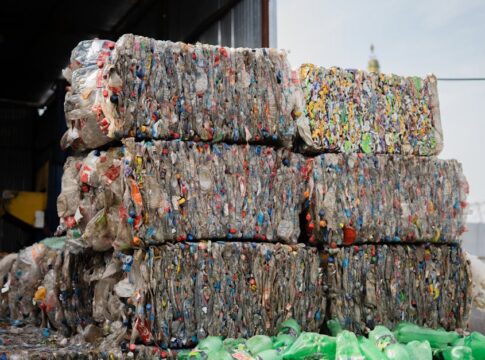
Global Initiative Tackles Plastic Waste Crisis
The world is facing an unprecedented plastic waste crisis, with over 400 million tons of plastic produced annually and only a fraction being properly recycled. In response to this escalating environmental emergency, a comprehensive global initiative has emerged, bringing together nations, corporations, and environmental organizations in a coordinated effort to address one of the most pressing challenges of our time.
The Scale of the Problem
Plastic pollution has reached critical levels across every corner of the globe. From the deepest ocean trenches to the highest mountain peaks, plastic waste has infiltrated virtually every ecosystem on Earth. According to recent scientific studies, approximately 8 million tons of plastic waste enter the world’s oceans each year, threatening marine life, contaminating food chains, and creating massive garbage patches that span thousands of square kilometers.
The environmental impact extends far beyond ocean pollution. Microplastics have been found in drinking water, agricultural soil, and even in the air we breathe. These tiny plastic particles, often invisible to the naked eye, pose significant health risks to both wildlife and humans, potentially disrupting hormonal systems and accumulating in vital organs.
The United Nations Plastics Treaty
At the forefront of the global response is the United Nations Environment Programme’s initiative to develop a legally binding international treaty on plastic pollution. Representatives from 175 nations convened to address the plastic waste crisis comprehensively, from production to disposal. This historic agreement represents the most significant environmental accord since the Paris Climate Agreement.
The proposed treaty encompasses several key objectives:
- Reducing virgin plastic production through caps and regulations
- Establishing universal standards for plastic design and recyclability
- Creating accountability frameworks for plastic producers
- Developing financing mechanisms to support waste management infrastructure in developing nations
- Implementing extended producer responsibility schemes globally
Corporate Commitments and Industry Transformation
Major corporations have recognized both the environmental imperative and business opportunity in addressing plastic waste. The Ellen MacArthur Foundation’s Global Commitment has mobilized businesses representing 20% of all plastic packaging produced globally to commit to ambitious targets by 2025. These commitments include eliminating problematic and unnecessary plastic items, innovating to ensure all plastic packaging is reusable, recyclable, or compostable, and circulating the plastic produced to keep it in the economy and out of the environment.
Leading consumer goods companies have pledged to increase recycled content in their packaging, with some targeting 50% or more recycled materials by 2030. Beverage companies are investing billions in collection and recycling infrastructure, while major retailers are eliminating single-use plastic bags and implementing deposit return schemes to incentivize recycling.
Technological Innovations Driving Solutions
The fight against plastic waste has spurred remarkable innovation in materials science and waste management technology. Chemical recycling processes are now capable of breaking down mixed plastic waste into its molecular components, enabling the creation of virgin-quality plastic from previously unrecyclable materials. These advanced recycling technologies complement traditional mechanical recycling and offer solutions for plastic types that previously had no viable end-of-life pathway.
Biodegradable and compostable alternatives are also gaining traction. Researchers have developed plant-based plastics that maintain the functionality of conventional plastics while breaking down naturally in specific environments. Other innovations include edible packaging, mushroom-based materials, and seaweed-derived films that offer sustainable alternatives to petroleum-based plastics.
National and Regional Policy Initiatives
Countries worldwide are implementing aggressive policies to combat plastic waste. The European Union’s Single-Use Plastics Directive has banned several common plastic items, including straws, cutlery, and polystyrene food containers. Canada has designated plastic manufactured items as toxic substances under its environmental protection act, enabling comprehensive regulation of their production and use.
Several nations have implemented extended producer responsibility schemes that make manufacturers financially responsible for the collection and recycling of their plastic products. These policies create economic incentives for companies to design products with end-of-life considerations in mind and fund the infrastructure necessary for proper waste management.
Grassroots Movements and Community Action
While governmental and corporate initiatives provide essential framework and resources, grassroots movements have proven instrumental in driving awareness and behavioral change. Beach cleanup organizations, zero-waste communities, and plastic-free lifestyle advocates have mobilized millions of individuals to reduce their plastic consumption and demand better alternatives from businesses and policymakers.
Educational programs targeting younger generations are cultivating environmental consciousness and sustainable habits from an early age. Schools worldwide are implementing plastic reduction programs, teaching students about the environmental impact of plastic waste and empowering them to become advocates for change within their communities.
Challenges and Path Forward
Despite significant progress, substantial challenges remain in the global effort to address plastic waste. Developing nations often lack the infrastructure and financial resources necessary for comprehensive waste management systems. Economic considerations continue to favor virgin plastic production, as recycled materials frequently cost more than newly manufactured alternatives.
Political disagreements over production limits, chemical regulations, and financial obligations threaten to weaken international agreements. The complexity of global supply chains makes enforcement and accountability difficult, while the continued development of new plastic formulations outpaces regulatory frameworks.
Conclusion
The global initiative to tackle the plastic waste crisis represents an unprecedented coordinated effort across governments, industries, and civil society. While the challenge is immense, the combination of binding international agreements, corporate commitments, technological innovation, and grassroots activism provides genuine hope for meaningful progress. Success will require sustained commitment, adequate financing, and willingness to make difficult economic and lifestyle adjustments. The coming years will prove critical in determining whether humanity can reverse the tide of plastic pollution and create a sustainable circular economy for plastics.