
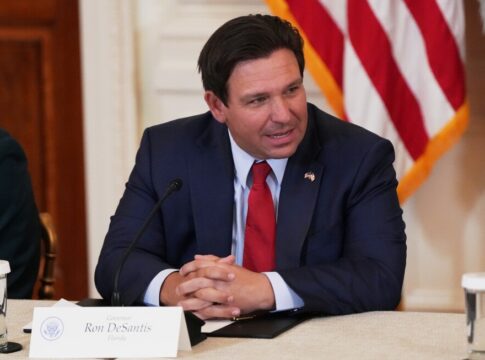
Florida Governor Ron DeSantis signed legislation Monday granting state officials authority to designate organizations as terrorist groups and expel university students who support them, sparking immediate constitutional concerns from civil liberties organizations.
How the New Law Works
The measure creates a designation process where Florida’s Department of Law Enforcement commissioner identifies potential domestic or foreign terrorist organizations. The governor and three elected Cabinet members—the attorney general, chief financial officer, and agriculture commissioner—vote to approve or reject each designation. Once labeled, organizations face dissolution and lose eligibility for state funding through school districts or government agencies. Universities must report visa-holding students expelled under this law to Immigration and Customs Enforcement.
DeSantis defended the legislation at a Tampa news conference, stating the law would protect Florida residents and prevent inappropriate activities. The governor emphasized that taxpayer dollars would be safeguarded through this mechanism, positioning the measure as necessary protection for state interests. The law took effect immediately upon signing.
Constitutional Concerns Raised
PEN America, which advocates for First Amendment protections, challenged the legislation’s constitutionality. William Johnson, the organization’s Florida director, warned the law contains ambiguous language that could restrict educational programming considered as promoting terrorism. Johnson expressed concern that student protesters criticizing state officials might become targets, noting the measure could suppress educational freedom across all academic levels.
What This Means
The legislation represents Florida’s latest effort to address campus activism and organizational oversight. Critics argue the broad designation authority concentrated among five elected officials, combined with vague definitional standards, creates potential for political targeting. The law’s immigration enforcement component adds federal consequences to state-level designations, raising questions about separation of powers. Free speech organizations indicate legal challenges may follow, setting up potential courtroom battles over constitutional boundaries between state security interests and First Amendment protections.