
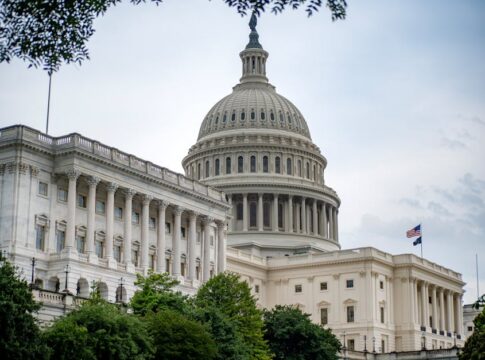
Senate Negotiations Intensify Over Bipartisan Bill
The United States Senate has entered a critical phase of negotiations as lawmakers from both parties work to forge consensus on significant bipartisan legislation. The intensifying discussions reflect both the challenges and opportunities inherent in the legislative process, as senators navigate complex policy considerations while seeking common ground across the political aisle.
The Legislative Landscape
Bipartisan cooperation in the Senate has become increasingly rare in recent years, making current negotiation efforts particularly noteworthy. The legislative process requires careful balancing of competing interests, policy priorities, and political considerations. When senators engage in bipartisan negotiations, they must find areas of agreement while managing expectations within their respective party caucuses.
The intensity of current negotiations signals that lawmakers recognize both the urgency and importance of reaching an agreement. Senate leaders from both parties have invested significant time and resources into the negotiation process, conducting numerous closed-door meetings, staff-level discussions, and public forums to advance the legislation.
Key Components of Bipartisan Negotiations
Successful bipartisan legislation typically requires several critical elements to move forward. Understanding these components provides insight into the complexity of the current negotiation process:
- Identification of shared priorities that appeal to members of both parties
- Willingness to compromise on contentious provisions
- Strategic sequencing of votes and amendments
- Building coalitions that can withstand political pressure
- Addressing concerns from various stakeholder groups
- Securing leadership support from both parties
The Role of Senate Leadership
Senate leadership plays a crucial role in facilitating bipartisan negotiations. Majority and minority leaders must balance their responsibilities to advance their party’s agenda while also ensuring the Senate functions effectively as a legislative body. In bipartisan efforts, leaders often serve as both participants and referees, helping to mediate disputes while keeping negotiations on track.
Committee chairs and ranking members also exercise considerable influence over bipartisan negotiations. Their expertise in specific policy areas and established working relationships across party lines can prove invaluable in crafting legislation that satisfies diverse interests. These senior lawmakers often serve as anchor points for broader coalitions, lending credibility and experience to negotiation efforts.
Challenges Facing Negotiators
Several significant obstacles complicate bipartisan negotiations in the contemporary Senate. Political polarization has increased the difficulty of finding common ground, as party bases often demand ideological purity from their elected representatives. Senators must carefully navigate between the desire to achieve legislative accomplishments and the risk of facing criticism from their political allies.
The legislative calendar presents another challenge. Limited floor time, competing priorities, and approaching deadlines can create pressure that either facilitates compromise or causes negotiations to collapse. Senators must also consider the broader political environment, including upcoming elections, public opinion trends, and external events that may affect legislative dynamics.
Additionally, the Senate’s procedural rules, including the filibuster and various parliamentary requirements, add complexity to the negotiation process. Achieving the sixty votes typically necessary to advance major legislation requires building a substantial bipartisan coalition, making compromise essential.
Stakeholder Involvement
Beyond elected officials, numerous stakeholders influence bipartisan negotiations. Interest groups, industry representatives, advocacy organizations, and constituent concerns all factor into senatorial decision-making. Negotiators must balance these external pressures while maintaining focus on crafting effective policy solutions.
Public engagement also plays a role in shaping bipartisan efforts. Senators regularly gauge constituent opinion through town halls, surveys, and direct communication. Public support for bipartisan cooperation can provide political cover for lawmakers willing to compromise, while strong opposition may constrain negotiating flexibility.
The Path Forward
As negotiations intensify, several potential outcomes emerge. Successful conclusion of bipartisan talks could result in landmark legislation that addresses significant policy challenges while demonstrating that cross-party cooperation remains possible. Such an outcome would likely involve careful crafting of bill language, strategic amendment processes, and coordinated floor management.
Alternatively, negotiations could stall or collapse if disagreements prove insurmountable. Failed bipartisan efforts often lead to renewed partisan approaches, with majority parties attempting to advance scaled-back versions of legislation through party-line votes or alternative procedural mechanisms.
The timeline for concluding negotiations remains uncertain. Some bipartisan efforts reach resolution quickly when momentum builds and compromise proves achievable. Others require extended discussions spanning weeks or months as negotiators work through complex policy disagreements and political considerations.
Broader Implications
The outcome of current bipartisan negotiations carries implications beyond the immediate legislative matter at hand. Successful bipartisan efforts can establish precedents for future cooperation, demonstrating that divided government need not result in legislative gridlock. Such achievements may encourage additional cross-party collaboration on other policy priorities.
Conversely, failed negotiations can reinforce partisan divisions and skepticism about the possibility of bipartisan cooperation. The political fallout from collapsed talks may make future bipartisan efforts more difficult as trust erodes and lawmakers become more reluctant to invest time in cross-party negotiations.
Conclusion
The intensification of Senate negotiations over bipartisan legislation represents a critical moment in the legislative process. As lawmakers work to bridge political divides and craft consensus policy solutions, they face numerous challenges while also recognizing the potential benefits of successful cooperation. The coming days and weeks will reveal whether current negotiation efforts can overcome obstacles and produce meaningful bipartisan legislation, or whether political and policy disagreements will prove too substantial to resolve. Regardless of the outcome, these negotiations provide valuable insights into the contemporary dynamics of Senate lawmaking and the ongoing struggle to achieve bipartisan governance in a polarized political environment.