
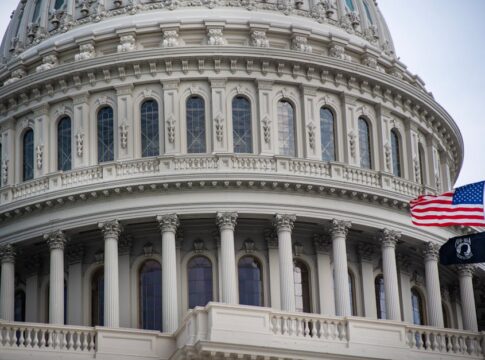
Public Approval of Congress Remains Historically Low
Congressional approval ratings in the United States have remained at historically low levels for more than a decade, reflecting widespread public dissatisfaction with the legislative branch of government. Despite occasional fluctuations, polling data consistently shows that a vast majority of Americans disapprove of how Congress is handling its responsibilities, raising important questions about public trust in democratic institutions and the functioning of representative government.
Current State of Congressional Approval
Recent polling data reveals that congressional approval ratings typically hover between 15 and 25 percent, with disapproval ratings often exceeding 70 percent. These figures represent a dramatic departure from historical norms. Throughout much of the 20th century, Congress maintained approval ratings that frequently exceeded 40 percent and occasionally reached above 50 percent during periods of national unity or significant legislative achievement.
The decline in congressional approval became particularly pronounced following the financial crisis of 2008 and has persisted through multiple election cycles and changes in party control. Regardless of which party holds the majority in either chamber, approval ratings have remained stubbornly low, suggesting that public dissatisfaction transcends partisan divisions.
Historical Context and Trends
Examining congressional approval over time provides important context for understanding the current situation. During the 1960s and 1970s, Congress generally maintained approval ratings in the 30 to 40 percent range, with occasional spikes during moments of bipartisan cooperation or national crisis. The Watergate investigation, for instance, briefly boosted Congress’s standing as the institution was seen as holding the executive branch accountable.
The 1990s saw relatively stable approval ratings, with periods of both higher and lower public confidence. However, the 21st century has witnessed a sustained erosion of public trust. The post-9/11 period briefly elevated congressional approval, as Americans rallied around their institutions, but this effect proved temporary. By the mid-2000s, approval ratings began their descent to current levels.
Factors Contributing to Low Approval
Multiple factors have contributed to the persistently low approval ratings that Congress experiences today. Understanding these elements helps explain why the institution struggles to maintain public confidence:
- Partisan Polarization: Increasing ideological divisions between the two major political parties have made compromise more difficult and legislative gridlock more common. Voters across the political spectrum express frustration with the inability of Congress to pass meaningful legislation on critical issues.
- Legislative Gridlock: The failure to address pressing national concerns, from infrastructure to healthcare to immigration reform, has contributed to public perception that Congress is ineffective and unable to fulfill its basic functions.
- Negative Media Coverage: The 24-hour news cycle and social media environment often emphasize congressional conflicts, scandals, and failures rather than routine legislative work or achievements.
- Campaign Finance Concerns: Many Americans believe that special interests and wealthy donors have disproportionate influence over congressional decision-making, undermining the principle of representative democracy.
- Ethical Scandals: Periodic ethics violations and insider trading allegations have damaged public trust in congressional integrity.
Partisan Differences in Approval
While overall approval remains low regardless of party control, polling data reveals that approval ratings tend to split along partisan lines. Members of the party controlling Congress typically express somewhat higher approval than those in the opposition, though even majority-party supporters often register disapproval rates exceeding 50 percent. This pattern suggests that while partisanship influences perceptions, dissatisfaction with congressional performance crosses party boundaries.
Impact on Democratic Governance
The sustained low approval of Congress has significant implications for American democracy. When citizens lack confidence in their legislative institutions, several consequences may follow:
First, low approval ratings can contribute to decreased civic engagement and political participation. When voters believe Congress is ineffective or unresponsive, they may become discouraged from participating in the democratic process beyond voting, reducing important forms of citizen engagement such as contacting representatives or participating in public forums.
Second, institutional distrust can create a vicious cycle. As approval ratings decline, Congress may face greater difficulty building consensus for necessary but difficult policy decisions, leading to further gridlock and even lower approval. This dynamic makes addressing major national challenges increasingly difficult.
Third, low congressional approval may contribute to broader cynicism about government and democratic institutions generally. While Americans traditionally distinguish between their own representatives and Congress as a whole, persistently low institutional approval can erode faith in the system itself.
Comparative Perspectives
Interestingly, Americans tend to view their individual representatives more favorably than Congress as an institution. This phenomenon, sometimes called the “Fenno Paradox” after political scientist Richard Fenno, shows that voters often rate their own members of Congress positively while disapproving of the body as a whole. This suggests that public dissatisfaction focuses more on institutional performance and partisan conflict than on individual legislators.
Outlook and Potential Reforms
Various reforms have been proposed to address congressional dysfunction and restore public confidence. These include campaign finance reform, redistricting changes to reduce gerrymandering, modifications to legislative procedures to reduce gridlock, and ethics reforms to enhance transparency and accountability. However, implementing such reforms faces significant political obstacles, as they would require Congress to change the very system from which current members have benefited.
Whether congressional approval ratings will recover remains uncertain. Historical precedent suggests that major national crises or significant bipartisan legislative achievements can temporarily boost approval, but sustaining higher confidence levels requires addressing the underlying structural and cultural factors that have driven approval to historic lows.
Conclusion
The persistently low approval ratings of Congress represent more than a statistical curiosity—they reflect genuine public concern about the functioning of a critical democratic institution. While the causes are complex and multifaceted, the consequences are clear: reduced public trust, increased cynicism, and questions about the effectiveness of representative government. Addressing this challenge will require sustained effort, political will, and potentially significant reforms to how Congress operates and interacts with the American people.