
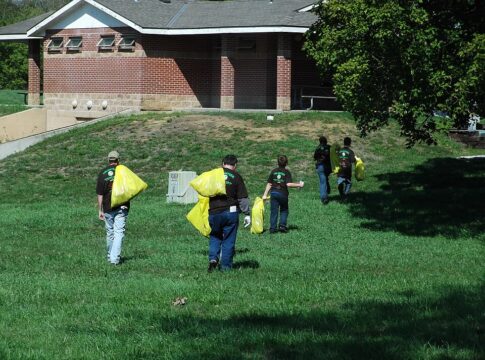
Seattle removed over 5.3 million pounds of trash and drug needles from city streets in a massive cleanup operation ahead of hosting World Cup soccer matches, exposing the scale of urban decay officials scrambled to hide from international visitors.
Unprecedented Cleanup Reveals Crisis
The cleanup effort represents one of the largest urban waste removal operations in Seattle’s history. City workers collected millions of pounds of garbage, discarded items, and used hypodermic needles from sidewalks, parks, and public spaces throughout the metropolitan area. The sheer volume of debris removed highlights the magnitude of the homelessness and drug addiction crisis facing the Pacific Northwest city, problems that have festered for years under progressive governance.
Officials mobilized the extensive cleanup specifically to prepare for the international spotlight that accompanies FIFA World Cup events. Seattle secured its position as a host city for matches, bringing thousands of foreign visitors and media attention to the area. The timing of this cleanup operation raises questions about why such conditions were allowed to persist until an international event forced action, rather than addressing public health and safety concerns for residents year-round.
Public Safety Concerns Surface
The massive volume of discarded needles collected during the operation underscores the severity of the open-air drug use problem plaguing Seattle’s streets. Residents have complained for years about dangerous conditions in parks and on sidewalks, where families encounter drug paraphernalia and human waste. Community health experts warn that needle debris poses serious infection risks, particularly to children and sanitation workers who must navigate contaminated public spaces daily.
What This Means
The cleanup demonstrates that Seattle officials possess both the resources and capability to address street disorder when sufficient motivation exists. Critics argue this proves years of inaction stemmed from lack of political will rather than insurmountable obstacles. The question remains whether improved conditions will persist after international visitors depart, or if city leaders will allow streets to deteriorate again. Taxpayers funded this emergency cleanup while waiting years for basic public safety measures that other American cities maintain consistently, regardless of special events.