
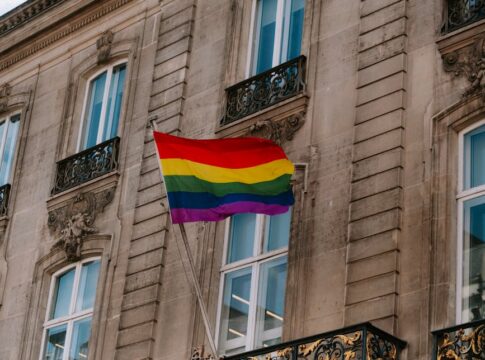
The Trump administration reached an agreement to restore the rainbow Pride flag at New York’s Stonewall National Monument, ending a two-month controversy that sparked protests and legal action after the National Park Service initially removed the flag in February.
Federal Agreement Restores Flag Display
The Interior Department and National Park Service confirmed their commitment to maintain a Pride flag at the historic 7.7-acre Manhattan park. According to a joint court filing by government lawyers and advocacy groups, the flag will remain displayed except for maintenance or practical purposes. Within one week, park officials will install three flags on the monument’s main flagpole: the American flag at the top, followed by the Pride flag in the middle position, and the park service flag at the bottom. Each flag will measure three feet by five feet, complying with U.S. flag code requirements.
Activists Claim Victory After Public Backlash
The reversal follows significant public opposition when park service officials removed the Pride flag in February to comply with Trump administration guidance. New York politicians and activists responded by raising replacement flags across the street from the Stonewall Inn on February 12, drawing demonstrators who protested the original removal. The Stonewall National Monument commemorates the 1969 riots that sparked the modern LGBTQ rights movement, making the flag’s presence symbolically significant to advocates who view the site as hallowed ground for the community’s history.
What This Means for Federal Policy
The settlement represents a policy shift for the administration on displays at national monuments. Christopher Park, where Stonewall National Monument sits, became the first national monument dedicated to LGBTQ history when President Obama designated it in 2016. The agreement allows one of several Pride banners at the park to fly permanently alongside federal flags, establishing precedent for symbolic displays at historic sites. The resolution avoids a prolonged court battle while addressing concerns from preservation advocates about maintaining the monument’s connection to civil rights history.