
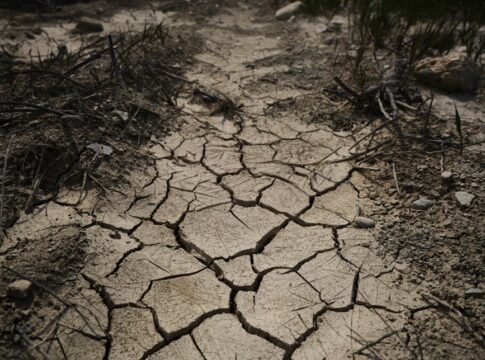
Global Heatwave Triggers Emergency Energy Rationing
As unprecedented heat waves sweep across multiple continents, governments worldwide are implementing emergency energy rationing measures to prevent widespread power grid failures. The extreme temperatures, which have shattered long-standing records in numerous regions, have created an unprecedented surge in electricity demand that is pushing aging infrastructure to its breaking point.
The Scale of the Crisis
The current global heat wave represents one of the most significant climate-related challenges of the decade. Meteorological agencies report that temperatures in affected regions have exceeded historical averages by 10 to 15 degrees Celsius in some areas. Europe, North America, Asia, and parts of South America are experiencing simultaneous heat emergencies, a phenomenon that energy experts describe as a “perfect storm” for electrical grid systems.
The International Energy Agency has issued warnings that the combination of extreme heat and increased cooling demand could lead to rolling blackouts affecting hundreds of millions of people. In response, over thirty countries have already announced some form of energy conservation or rationing protocol to manage the crisis.
Impact on Energy Infrastructure
Power grids across the globe are struggling to meet the unprecedented demand for electricity. Air conditioning units, which account for a substantial portion of energy consumption during heat waves, are running at maximum capacity around the clock. This sustained demand is exposing vulnerabilities in energy infrastructure that was not designed to handle such extreme and prolonged stress.
In several European nations, nuclear power plants have been forced to reduce output or shut down entirely because river water temperatures used for cooling have become too warm. Similarly, thermal power plants are operating at reduced efficiency due to the extreme ambient temperatures. Renewable energy sources, particularly solar panels, are also experiencing decreased efficiency as excessive heat reduces their performance capacity.
Government Response Measures
Authorities have implemented various rationing strategies to manage the energy crisis. These measures vary by region but share common objectives: reducing peak demand, preventing total grid collapse, and ensuring critical infrastructure remains operational.
- Mandatory temperature controls for commercial buildings, typically requiring thermostats to be set no lower than 25-27 degrees Celsius
- Scheduled rotating blackouts in residential areas during peak demand hours
- Industrial production curtailments, with energy-intensive factories required to reduce operations or shift to nighttime hours
- Public appeals for voluntary conservation, including recommendations to limit non-essential appliance use
- Prohibition of decorative lighting and restrictions on outdoor lighting in urban areas
Economic Consequences
The energy rationing measures are having significant economic repercussions. Manufacturing sectors in affected countries are reporting production delays and increased costs due to operational restrictions. Small businesses, particularly restaurants and retail establishments that rely heavily on climate control, are facing reduced operating hours and decreased customer traffic.
Energy prices have skyrocketed in wholesale markets, with some regions experiencing price increases of over 300 percent compared to seasonal averages. This spike is being passed on to consumers through emergency surcharges and adjusted billing rates, placing additional financial strain on households already struggling with inflation.
The agricultural sector is experiencing compounded challenges, with irrigation systems subject to rationing while crops suffer from the extreme temperatures. Food security experts are warning that the combination of heat stress on crops and energy limitations on processing and cold storage facilities could lead to supply chain disruptions and price increases for essential food items.
Public Health Concerns
Health authorities are expressing grave concerns about the intersection of extreme heat and energy rationing. Vulnerable populations, including the elderly, young children, and individuals with chronic health conditions, are at heightened risk during power outages that disable air conditioning and refrigeration.
Hospitals and medical facilities have been designated as priority recipients of power, but even these critical infrastructure sites have experienced intermittent supply issues. Emergency services have reported increased call volumes related to heat-related illnesses, straining healthcare systems already operating under pressure.
Cooling centers have been established in many cities to provide refuge for those without access to air conditioning, but their effectiveness is limited by capacity constraints and the need to comply with energy restrictions themselves.
Long-term Infrastructure Challenges
Energy sector experts emphasize that the current crisis highlights the urgent need for infrastructure modernization and grid resilience improvements. The existing power distribution systems in many developed nations were designed decades ago and are ill-equipped to handle the combination of extreme weather events and the evolving energy landscape.
Investment in smart grid technology, energy storage solutions, and diversified renewable energy sources is being prioritized in emergency legislative sessions. However, these improvements require substantial capital investment and years of implementation time, offering little immediate relief for the current situation.
Climate Change Connection
Climate scientists are pointing to the current heat wave as consistent with predictions made in climate models regarding global warming impacts. The frequency and intensity of extreme heat events are expected to increase in coming decades, making energy infrastructure resilience a critical concern for long-term planning.
International climate policy discussions are being renewed with increased urgency, as the tangible impacts of climate change on essential services become impossible to ignore. The energy rationing crisis is serving as a catalyst for more aggressive mitigation and adaptation strategies at both national and international levels.
Looking Ahead
As the heat wave continues with no clear end in sight, governments are preparing for extended rationing periods that may extend through the remainder of the summer season. Energy officials are working around the clock to balance supply and demand while preventing catastrophic grid failures that could leave millions without power for extended periods.
The global community is watching closely as this crisis unfolds, recognizing that the challenges faced today may become increasingly common in the years ahead. The response to this emergency will likely shape energy policy and infrastructure investment priorities for decades to come.