
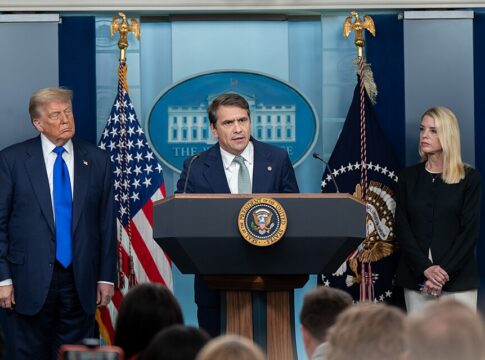
Acting Attorney General Todd Blanche officially terminated a controversial $1.8 billion anti-weaponization fund Sunday night after Republican senators threatened to derail his permanent confirmation over concerns the money could benefit January 6 Capitol riot participants.
Standoff Forces Justice Department Reversal
Blanche issued a formal order declaring the fund rescinded with no force or effect, ending a weekslong confrontation with key GOP senators. The announcement arrived just two days before the Senate Judiciary Committee schedules his confirmation vote. Republican Senators John Cornyn of Texas and Thom Tillis of North Carolina made clear their support hinged entirely on eliminating the fund, forcing the Justice Department to act.
The fund originated from a settlement in President Donald Trump’s lawsuit against the IRS. That agreement also protected the Trump family from tax audits, drawing sharp criticism from lawmakers concerned about preferential treatment and potential misuse of taxpayer dollars. Blanche testified before Congress that the fund was already defunct, but Trump threatened Saturday to revive it, creating confusion about the administration’s actual position.
Settlement Terms Narrowed Under Pressure
The new order limits the tax audit immunity provision, clarifying it applies only retroactively to claims pending when the settlement was signed. Future tax filings from Trump and his family members remain subject to standard IRS examination procedures. This represents a significant narrowing from the original settlement terms that appeared to grant broader protections. Senator John Kennedy of Louisiana said he would exclude January 6 participants from any legislation codifying the fund.
Political Calculations Drive Agreement
Both Cornyn and Tillis have clashed with Trump previously. Tillis announced he will not seek reelection, while Cornyn lost his seat to Trump-endorsed primary challenger Ken Paxton. Despite their lame-duck status, their Judiciary Committee positions gave them leverage over Blanche’s nomination. In a joint statement, the senators said they look forward to advancing his confirmation. Cornyn’s spokesperson confirmed the Justice Department will issue binding documentation permanently terminating the fund and restricting the audit settlement scope to named plaintiffs only, including the president.
What This Means
The reversal demonstrates that even holdout senators nearing the end of their terms retain significant power over executive branch nominations. The fund’s elimination removes a major obstacle to Blanche’s confirmation, though questions remain about the propriety of the underlying IRS settlement. The episode highlights ongoing tensions between congressional oversight responsibilities and executive branch autonomy, particularly regarding matters touching the president’s personal interests.