
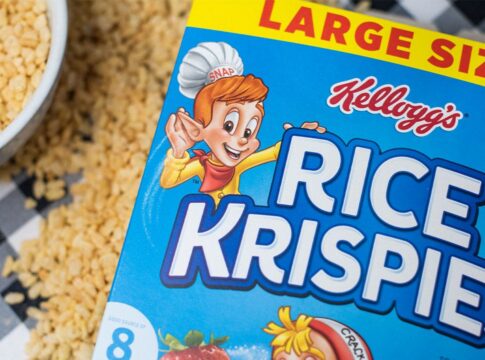
Kellogg’s has overhauled the recipe for Rice Krispies sold in the United Kingdom, switching from whole rice grains to rice flour as climate-related weather disruptions threaten ingredient availability. The change marks a significant departure from the cereal’s traditional formulation, though American consumers can breathe easy knowing their breakfast bowls remain unaffected.
Recipe Changes Target UK Markets Only
Kellanova, the corporate entity managing Kellogg’s cereal brands outside North America, confirmed the reformulation affects Rice Krispies and Coco Pops in Britain. The latter product, known as Cocoa Krispies in American markets, now contains rice flour combined with corn flour instead of whole rice grains. WK Kellogg Company, which handles North American operations, explicitly stated that cereals sold in the United States and Canada maintain their original recipes without any modifications.
The company attributes these changes to maintaining consistent product quality as unpredictable weather patterns impact grain supplies. However, this decision introduces wheat gluten into the updated British formulas, eliminating these cereals as options for consumers managing wheat allergies or celiac disease. Kellanova maintains the reformulated products still meet British nutritional standards for fat, salt, and sugar while preserving existing levels of fiber, vitamin D, and iron.

Kellogg’s admits snap, crackle and pop is quieter after uproar over Rice Krispies recipe change

Declining Sales and Industry Trends
British grocery publication The Grocer reported declining Rice Krispies sales in the UK market, though Kellanova has not publicly connected these falling numbers to the recipe reformulation. The timing raises questions about whether ingredient supply challenges alone drove the decision or if market performance played a role. Industry watchers note that major cereal manufacturers increasingly face pressure to adapt recipes amid changing agricultural conditions and consumer preferences.
General Mills announced similar modifications in August, revealing plans to eliminate certified synthetic colors from American cereals including Lucky Charms and Trix. The company committed to removing these additives from its entire United States retail portfolio by late 2027, reflecting broader industry movement toward simplified ingredient lists that resonate with health-conscious consumers.
What This Means
This development highlights how global supply chain vulnerabilities increasingly influence everyday products Americans have trusted for generations. While domestic Rice Krispies remain unchanged, the situation underscores concerns about food security and agricultural stability that conservative policymakers have long warned require attention. The introduction of allergens into previously safe products also demonstrates how regulatory differences between nations can create consumer confusion. American families can continue enjoying their traditional breakfast cereals, but this episode serves as a reminder that maintaining reliable food supplies demands robust domestic agricultural policies and reduced dependence on weather-vulnerable supply chains.