
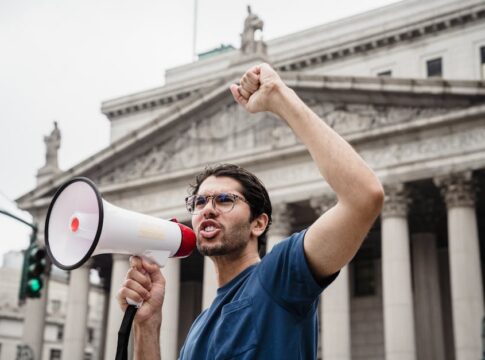
Celebrity Activism Influences Public Opinion
In the modern media landscape, celebrities wield considerable influence beyond their primary fields of entertainment, sports, or business. Celebrity activism has emerged as a powerful force in shaping public discourse and opinion on critical social, political, and environmental issues. From climate change to racial justice, famous individuals leverage their platforms to amplify causes, mobilize supporters, and effect tangible change in society.
The Rise of Celebrity Activism
Celebrity involvement in social and political causes is not a new phenomenon. Throughout history, prominent figures have used their fame to advocate for various movements. However, the digital age has exponentially amplified their reach and impact. Social media platforms provide celebrities with direct access to millions of followers, enabling them to bypass traditional media gatekeepers and communicate their messages instantaneously and authentically.
Today’s celebrity activists engage with causes ranging from humanitarian crises and human rights violations to environmental conservation and healthcare reform. Their involvement often brings unprecedented attention to issues that might otherwise remain obscure or underreported in mainstream media coverage.
Mechanisms of Influence
Media Amplification
When celebrities speak out on issues, their statements generate significant media coverage. News outlets recognize that celebrity involvement attracts audience attention, leading to extensive reporting that extends far beyond the celebrity’s initial message. This media amplification effect ensures that issues championed by famous individuals receive broader public exposure than they might through traditional advocacy channels.
Parasocial Relationships
The psychological concept of parasocial relationships explains part of celebrity activism’s effectiveness. Fans develop one-sided emotional connections with celebrities they admire, leading them to trust and value these figures’ opinions. When a beloved celebrity endorses a cause or perspective, their followers are more likely to engage with the issue sympathetically and consider adopting similar viewpoints.
Social Proof and Legitimization
Celebrity endorsement provides social proof that an issue merits attention and action. When respected public figures align themselves with specific causes, they legitimize these issues in the public consciousness. This legitimization can be particularly powerful for marginalized communities or underrepresented causes seeking broader recognition and support.
Measurable Impacts on Public Opinion
Awareness and Education
Research demonstrates that celebrity activism significantly increases public awareness of social issues. When celebrities discuss topics such as mental health, LGBTQ+ rights, or environmental sustainability, search engine queries on these subjects typically spike dramatically. This increased interest often translates into greater public knowledge and understanding of complex issues that might otherwise seem distant or abstract to average citizens.
Political Engagement and Mobilization
Celebrity activism has proven effective in mobilizing political participation. Studies have shown that celebrity endorsements and advocacy can influence voter registration rates, turnout in elections, and engagement with political processes. Young people, in particular, demonstrate increased political involvement when celebrities they admire speak out on political issues or encourage civic participation.
Fundraising and Resource Mobilization
The financial impact of celebrity activism cannot be understated. When celebrities champion charitable causes or disaster relief efforts, donations typically surge substantially. High-profile fundraising campaigns led by celebrities have generated millions of dollars for various causes, from disease research to poverty alleviation, demonstrating the tangible material impact of celebrity influence on public behavior.
Criticisms and Limitations
Superficial Engagement
Critics argue that celebrity activism sometimes promotes superficial engagement with complex issues, a phenomenon termed “slacktivism.” When social media allows users to demonstrate support through simple actions like sharing posts or adding hashtags, there is concern that this creates an illusion of meaningful engagement without substantive action or deep understanding of the underlying issues.
Lack of Expertise
Another significant criticism centers on the question of expertise. Celebrities often lack specialized knowledge or credentials in the areas they advocate for, potentially oversimplifying nuanced issues or promoting misguided solutions. This raises questions about whether fame alone qualifies individuals to shape public opinion on complex policy matters.
Performative Activism
Skeptics point to instances of performative activism, where celebrity involvement appears motivated more by public relations concerns or personal branding than genuine commitment to causes. Such perception can undermine the credibility of both the celebrity and the cause they claim to support.
The Evolving Landscape
As social media continues to evolve, so too does the nature of celebrity activism. The rise of influencer culture has democratized fame to some extent, creating new categories of micro-celebrities who engage with niche audiences on specific issues. This fragmentation allows for more targeted activism but also raises questions about the concentration of influence in the hands of those whose primary qualification is popularity rather than knowledge or moral authority.
Additionally, increased public scrutiny means celebrities face greater accountability for their activist endeavors. Audiences increasingly demand consistency between celebrities’ public advocacy and their private behavior, business dealings, and consumption patterns. This heightened accountability may ultimately strengthen the quality and authenticity of celebrity activism.
Conclusion
Celebrity activism undeniably influences public opinion, functioning as a powerful mechanism for raising awareness, shaping attitudes, and mobilizing action on important social issues. While legitimate criticisms regarding expertise, authenticity, and depth of engagement persist, the evidence suggests that celebrity involvement can catalyze meaningful public discourse and drive tangible social change. As media landscapes continue to evolve, understanding the dynamics of celebrity influence remains essential for comprehending how public opinion forms and shifts in contemporary society. The challenge moving forward lies in harnessing this influence responsibly while maintaining critical perspectives on both the celebrities involved and the causes they champion.