
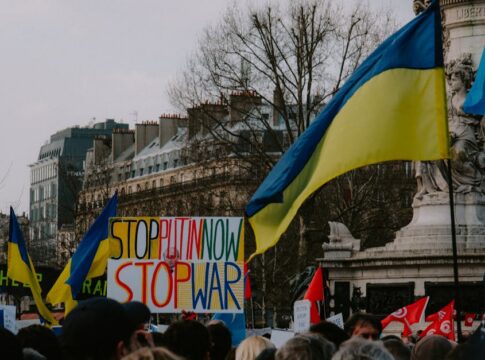
Culture Wars Dominate National Conversations
Across democratic societies worldwide, culture wars have increasingly moved from the margins to the center of political and social discourse. What were once considered secondary issues have evolved into defining topics that shape elections, influence policy decisions, and drive wedges through communities. These conflicts over values, identity, and social norms now command headlines, fuel social media debates, and consume significant portions of public attention, often overshadowing discussions of economic policy, infrastructure, or international relations.
Understanding the Modern Culture War Landscape
Culture wars refer to conflicts between groups with fundamentally different values, beliefs, and worldviews regarding how society should function. Unlike traditional political disagreements over taxation or government spending, these battles concern deeply held convictions about identity, morality, history, and the direction of social progress. The intensity of these debates stems from their personal nature—they touch on questions of who people are, what they believe, and how they want their children to be raised.
The contemporary culture war encompasses a broad range of contentious issues. Education curricula, particularly regarding history, race, and gender, have become flashpoints in school board meetings and legislative chambers. Questions about gender identity, bathroom policies, and participation in sports generate passionate responses from opposing camps. Debates over immigration, national identity, and what it means to be a citizen of a particular country fuel political campaigns and influence voting patterns. Even public health measures, once considered primarily technical matters, have become culturalized and politicized.
The Role of Media and Technology
The dominance of culture wars in national conversations cannot be separated from the evolution of media consumption and social technology. Traditional media outlets increasingly recognize that cultural conflict generates engagement, viewership, and clicks. News organizations, facing economic pressures and competing for attention, often prioritize stories that provoke emotional reactions over those requiring nuanced analysis.
Social media platforms have accelerated this trend exponentially. Algorithms designed to maximize user engagement tend to promote content that generates strong reactions, whether positive or negative. This creates echo chambers where users primarily encounter viewpoints that reinforce their existing beliefs while portraying opposing perspectives in their most extreme forms. The result is a polarized information environment where compromise appears impossible and opposing sides seem not merely wrong but morally deficient.
Key Characteristics of Social Media’s Impact:
- Amplification of extreme voices over moderate perspectives
- Rapid spread of emotionally charged content regardless of accuracy
- Creation of tribal identities based on cultural positions
- Reduction of complex issues to shareable slogans and memes
- Rewarding of outrage and confrontation over dialogue
Political Mobilization Through Cultural Issues
Political actors have recognized the mobilizing power of cultural issues. While economic policies might appeal to rational self-interest, cultural positions tap into identity and emotion, creating more committed and passionate supporters. Campaigns increasingly frame elections not as choices between different approaches to governance but as existential battles for the soul of the nation.
This strategic emphasis on culture has transformed political coalitions. Voters who might disagree on economic matters find common cause through shared cultural concerns. Similarly, traditional class-based political allegiances have weakened as cultural identity becomes a more powerful predictor of voting behavior than income or occupation. The result is a political landscape where cultural positions often determine party affiliation more than traditional left-right economic ideology.
Institutional Battlegrounds
Culture wars have expanded beyond the political sphere to engulf institutions previously considered neutral or apolitical. Universities, long seen as bastions of open inquiry, have become contested terrain where debates over free speech, academic freedom, and institutional diversity generate national attention. Corporations face pressure from employees, consumers, and activists to take public stances on social issues, transforming the business world into another arena for cultural conflict.
Religious institutions navigate tensions between traditional teachings and evolving social norms, while cultural organizations like museums and libraries face questions about representation, historical interpretation, and whose stories deserve prominence. Even sports leagues and entertainment industries find themselves unable to remain neutral, as athletes, performers, and audiences demand engagement with social issues.
The Cost of Cultural Conflict
The dominance of culture wars in national conversations carries significant costs. Legislative bodies spend time on symbolic cultural battles while pressing practical challenges—infrastructure decay, technological disruption, climate adaptation—receive inadequate attention. Communities fracture along cultural lines, making local cooperation on shared problems more difficult.
The constant focus on division and conflict also takes a psychological toll. Surveys consistently show increasing anxiety, particularly among young people, about the state of society and the possibility of meaningful dialogue across differences. Trust in institutions declines as they become viewed primarily through a cultural-political lens rather than as competent providers of services or neutral arbiters of disputes.
Paths Forward
Addressing the dominance of culture wars requires recognizing both their genuine roots and their amplification through media and political incentives. Cultural conflicts reflect real disagreements about values and social change that cannot simply be wished away. However, the current intensity and all-consuming nature of these debates serves interests beyond those sincerely concerned with the underlying issues.
Creating space for conversations that acknowledge complexity, recognize shared interests, and reward bridge-building over bomb-throwing remains challenging but essential. This requires institutional reforms, media literacy, and individual commitment to engaging with opposing viewpoints charitably. While culture wars will likely remain features of democratic societies, their current dominance need not be permanent or inevitable.
The challenge ahead involves finding ways to navigate genuine value differences while maintaining the civic bonds necessary for collective problem-solving. National conversations must encompass cultural concerns without being entirely consumed by them, making room for the practical governance that citizens ultimately depend upon for their daily lives.