
Chicago Mayor Brandon Johnson declined twice to apologize to the parents of murdered college student Sheridan Gorman, instead defending his sanctuary city policies and claiming constitutional protections for illegal immigrants override public safety concerns.
Mayor Doubles Down on Sanctuary Policies
During a Tuesday press conference, reporters directly asked Johnson whether he would apologize to Gorman’s family after their 18-year-old daughter was allegedly killed by an illegal immigrant. The mayor avoided the question entirely, stating he would “acknowledge the tragedy” but insisting he must “protect working people” and “ensure that the immigrant community is not being assaulted.” Johnson added that “violating people’s Constitutional rights does not make us safer,” effectively prioritizing immigration policies over addressing the family’s grief.
This marked the second time Johnson refused to answer the apology question. Last week, a reporter asked whether he would “take this opportunity to apologize to Sheridan’s parents for the policies that you have promoted, that have directly caused her death.” Johnson again responded indirectly, discussing general public safety concerns rather than addressing the specific case.
The Attack and the Suspect
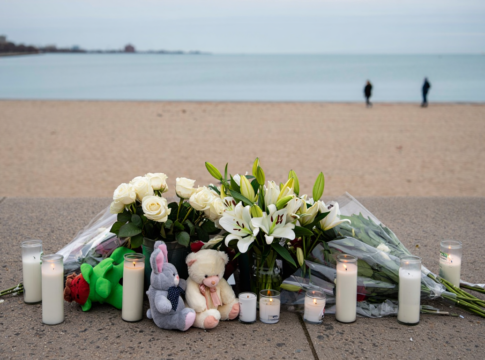
Sheridan Gorman, a Loyola University Chicago student, was shot and killed in the early morning hours of March 19. Prosecutors allege the suspect, an illegal immigrant, hid behind a lighthouse before running toward Gorman and her friends and firing his weapon indiscriminately. The suspect faces charges including murder, attempted murder, aggravated assault, aggravated discharge of a firearm, and illegal possession of a weapon. According to the Department of Homeland Security, the suspect entered the country illegally under the Biden administration and was released into the interior.
Family Demands Accountability
Gorman’s family issued a powerful statement rejecting Johnson’s characterization of their daughter’s death as a “senseless tragedy.” The family declared that “Sheridan was our daughter. She was 18 years old. She was doing something entirely normal—walking near her campus with friends. She should be here.” They demanded “a clear and honest accounting of what went wrong” and insisted that “we will not allow Sheridan’s life to be reduced to a talking point or a generalization.” The family called for leadership willing to “confront hard truths and ensure that what happened to her does not happen again.”