
Grassroots Movements Reshape Party Platforms
Political parties have traditionally been shaped by established political elites, party leaders, and longstanding institutional structures. However, the landscape of political influence has undergone a significant transformation in recent decades. Grassroots movements—organized efforts by ordinary citizens working from the ground up—have emerged as powerful forces capable of fundamentally reshaping party platforms and priorities. This shift represents a democratization of political agenda-setting and demonstrates how collective action can influence the highest levels of political decision-making.
Understanding Grassroots Political Movements
Grassroots movements are characterized by their bottom-up organizational structure, with leadership and momentum emerging from local communities rather than established political hierarchies. These movements typically coalesce around specific issues or causes, mobilizing citizens who feel underrepresented by existing political structures. Unlike top-down political campaigns orchestrated by party leadership, grassroots movements draw their strength from widespread participation, volunteer activism, and community organizing.
The digital age has dramatically amplified the potential of grassroots organizing. Social media platforms, online fundraising tools, and digital communication channels have enabled movements to coordinate across geographic boundaries, rapidly disseminate information, and build coalitions with unprecedented speed and efficiency. This technological democratization has lowered barriers to political participation and allowed movements to challenge established party positions more effectively than ever before.
Mechanisms of Influence on Party Platforms
Grassroots movements employ several strategies to influence party platforms. Understanding these mechanisms reveals how external pressure translates into concrete policy changes within major political parties.
Electoral Pressure and Primary Challenges
One of the most direct ways grassroots movements reshape party platforms is through electoral participation. By mobilizing voters in primary elections, these movements can support candidates who champion their causes or challenge incumbents who resist their agenda. The threat of primary challenges forces established politicians to incorporate grassroots priorities into their platforms or risk losing their positions to movement-backed candidates.
Coalition Building and Strategic Alliances
Successful grassroots movements often build coalitions with other organizations, labor unions, advocacy groups, and sympathetic party factions. These alliances amplify their influence and demonstrate broad-based support for their positions. When parties recognize that a grassroots movement represents a significant coalition of voters, they become more inclined to incorporate movement demands into official platforms.
Public Pressure and Media Attention
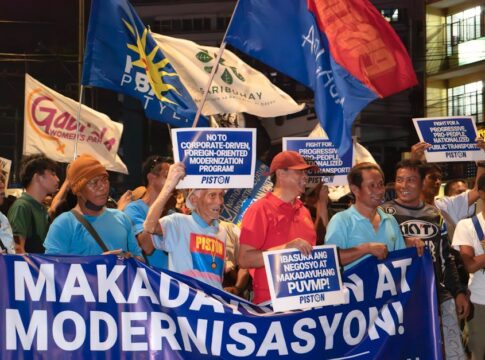
Grassroots movements generate public awareness through protests, demonstrations, social media campaigns, and other forms of activism. This visibility creates political pressure that parties cannot ignore. When movements successfully frame issues in ways that resonate with broader publics, parties must respond to maintain relevance and electoral competitiveness.
Historical Examples of Grassroots Impact
Numerous examples throughout modern political history demonstrate the transformative power of grassroots movements on party platforms:
- The civil rights movement of the 1950s and 1960s fundamentally reshaped the Democratic Party’s platform on racial equality and voting rights
- The conservative Tea Party movement influenced Republican Party positions on taxation, government spending, and fiscal policy
- Environmental movements have pushed climate change and sustainability issues to the forefront of party platforms across the political spectrum
- LGBTQ+ advocacy movements successfully changed party positions on marriage equality and anti-discrimination policies
- Occupy Wall Street brought income inequality and economic justice into mainstream political discourse
Contemporary Grassroots Movements and Party Evolution
Recent years have witnessed several powerful grassroots movements that continue to reshape party platforms. Progressive movements advocating for healthcare reform, student debt relief, and a living wage have pushed left-leaning parties to adopt more ambitious social welfare positions. Similarly, movements focused on immigration reform, gun rights, and religious liberty have influenced conservative party platforms.
The decentralized nature of contemporary grassroots organizing has created both opportunities and challenges for traditional party structures. Parties must balance responding to grassroots demands with maintaining ideological coherence and appealing to broader electorates. This tension sometimes leads to internal party conflicts as establishment figures negotiate with movement activists over platform priorities.
Challenges and Limitations
While grassroots movements have demonstrated significant capacity to influence party platforms, they face several challenges. Sustaining momentum over time proves difficult, as movements require continuous engagement and resource mobilization. Additionally, translating platform changes into actual policy implementation requires navigating complex legislative processes and political realities.
Movements may also struggle with internal divisions over strategy, tactics, and priorities. As movements grow and diversify, maintaining unity and coherent messaging becomes increasingly challenging. Furthermore, parties may adopt movement rhetoric symbolically without implementing substantive policy changes, a phenomenon known as co-optation.
The Future of Grassroots Political Influence
The increasing accessibility of organizing tools and communication technologies suggests that grassroots movements will continue playing significant roles in shaping party platforms. Younger generations, in particular, demonstrate greater comfort with decentralized organizing and issue-based activism than traditional party loyalty.
Political parties that remain responsive to grassroots pressures while maintaining institutional stability will likely prove most successful in evolving political landscapes. The dynamic tension between grassroots activism and party establishment creates opportunities for democratic renewal and ensures that party platforms reflect the changing priorities and values of their constituencies.
Conclusion
Grassroots movements have fundamentally altered how political parties develop and modify their platforms. Through electoral pressure, coalition building, and public mobilization, these bottom-up movements ensure that ordinary citizens maintain influence over political agendas. While challenges remain, the ongoing impact of grassroots activism on party platforms represents a vital mechanism for democratic participation and political accountability. As technology continues to evolve and new generations engage with politics, the relationship between grassroots movements and party platforms will undoubtedly continue to develop in dynamic and consequential ways.