
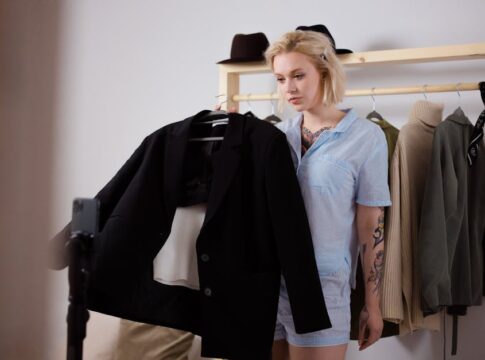
Influencer Trend Drives Fashion Sales
The fashion industry has witnessed a dramatic transformation in recent years, with social media influencers emerging as powerful catalysts for consumer purchasing decisions. This shift has fundamentally altered traditional marketing strategies, as brands increasingly allocate substantial portions of their budgets to influencer partnerships rather than conventional advertising channels. The phenomenon has created a new ecosystem where content creators wield significant influence over fashion trends and sales figures across global markets.
The Rise of Influencer Marketing in Fashion
Influencer marketing has evolved from a niche strategy to a mainstream commercial force within the fashion industry. Recent market analysis indicates that brands are investing billions of dollars annually in partnerships with social media personalities who command loyal followings across platforms such as Instagram, TikTok, YouTube, and emerging channels. This investment reflects a fundamental shift in consumer behavior, as shoppers increasingly seek authentic recommendations from trusted personalities rather than traditional celebrity endorsements or corporate advertising.
The effectiveness of influencer marketing stems from the perceived authenticity and relatability that content creators bring to product promotion. Unlike traditional advertising, influencer content often integrates seamlessly into the daily lives of followers, presenting fashion items within realistic contexts. This organic approach resonates particularly well with younger demographics who demonstrate skepticism toward conventional marketing tactics and value peer recommendations over corporate messaging.
Impact on Sales and Consumer Behavior
Statistical evidence demonstrates the tangible impact of influencer marketing on fashion sales. Industry reports reveal that products featured by influencers frequently experience immediate spikes in demand, with some items selling out within hours of being showcased. This phenomenon, often referred to as the “influencer effect,” has become so pronounced that retailers now monitor social media platforms in real-time to anticipate and respond to sudden surges in product interest.
The conversion rates associated with influencer marketing often exceed those of traditional advertising channels. Research indicates that consumers who discover products through influencer content are significantly more likely to make purchases compared to those exposed to conventional advertisements. This elevated conversion rate stems from the trust relationship established between influencers and their audiences, creating a powerful recommendation dynamic that translates directly into sales performance.
Micro-Influencers and Niche Markets
While celebrity influencers with millions of followers capture headlines, the fashion industry has increasingly recognized the value of micro-influencers who maintain smaller but highly engaged audiences. These content creators, typically commanding followings between 10,000 and 100,000, often demonstrate superior engagement rates and niche expertise that resonates with specific demographic segments.
Brands targeting particular style categories or demographic groups have found micro-influencers particularly effective for reaching concentrated consumer bases. The advantages of partnering with micro-influencers include:
- Higher engagement rates compared to macro-influencers
- More affordable partnership costs enabling broader campaign reach
- Authentic connections with highly targeted audiences
- Greater flexibility in content creation and brand messaging
- Enhanced credibility within specific fashion niches or communities
Platform-Specific Strategies
Different social media platforms have emerged as distinct channels for fashion influencer marketing, each offering unique advantages and audience characteristics. Instagram remains the dominant platform for fashion content, with its visual-first format ideally suited to showcasing clothing and accessories. The platform’s shopping features, including tagged products and integrated checkout options, have streamlined the path from content discovery to purchase completion.
TikTok has rapidly emerged as a formidable force in fashion marketing, particularly for reaching younger consumers. The platform’s short-form video format encourages creative content that can rapidly achieve viral status, exposing fashion brands to massive audiences within compressed timeframes. Several fashion trends have originated on TikTok before spreading to other platforms and mainstream retail environments.
YouTube continues to serve as an important channel for longer-form fashion content, including detailed product reviews, styling tutorials, and haul videos that provide comprehensive product information. The platform’s format allows influencers to develop deeper connections with audiences through extended content that explores fashion topics in greater detail than brief social media posts permit.
Challenges and Considerations
Despite its effectiveness, influencer marketing presents several challenges for fashion brands. Authenticity concerns have emerged as audiences become more sophisticated in recognizing sponsored content and questioning the genuine nature of influencer recommendations. Regulatory bodies have responded by implementing disclosure requirements, mandating that influencers clearly identify paid partnerships and sponsored content.
Measurement and attribution also present ongoing challenges as brands seek to quantify return on investment from influencer partnerships. While engagement metrics provide some indication of content performance, definitively linking influencer activity to sales conversions remains complex, particularly when consumers interact with multiple touchpoints before making purchase decisions.
Future Trajectory
The influencer marketing landscape continues to evolve as new technologies and platforms emerge. Virtual influencers, computer-generated personalities controlled by brands or agencies, represent an emerging frontier that eliminates certain risks associated with human influencers while raising questions about authenticity and transparency. Augmented reality features that allow consumers to virtually try on products showcased by influencers may further blur the lines between content consumption and shopping experiences.
As the fashion industry navigates economic uncertainties and changing consumer preferences, influencer marketing appears positioned to maintain its prominence as a primary sales driver. Brands that successfully navigate this landscape by cultivating authentic partnerships, leveraging appropriate platforms, and maintaining transparency with consumers will likely realize sustained competitive advantages in an increasingly digital marketplace where influence translates directly into commercial success.