
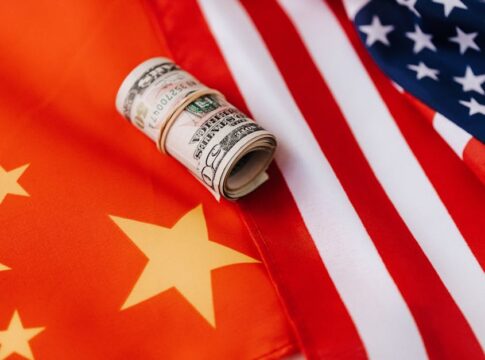
International Trade Deal Finalized: A New Era of Economic Cooperation
In a landmark development for global commerce, a comprehensive international trade agreement has been successfully finalized after years of intensive negotiations. The deal, involving multiple nations across different continents, represents one of the most significant economic partnerships established in recent years and is expected to reshape trade dynamics, boost economic growth, and create new opportunities for businesses and consumers worldwide.
Key Components of the Agreement
The finalized trade deal encompasses a wide range of provisions designed to facilitate smoother commerce between participating nations. At its core, the agreement aims to reduce barriers to trade, streamline customs procedures, and establish common standards that will benefit all parties involved.
One of the most significant aspects of the deal involves the substantial reduction or elimination of tariffs on thousands of products. This includes manufactured goods, agricultural products, and digital services, which collectively represent billions of dollars in annual trade volume. By lowering these financial barriers, the agreement is expected to make goods more affordable for consumers while opening new markets for producers and exporters.
The trade deal also addresses non-tariff barriers, which often pose significant challenges to international commerce. These provisions include harmonization of technical standards, mutual recognition of professional qualifications, and simplified regulatory requirements. Such measures will particularly benefit small and medium-sized enterprises that previously struggled with the complexity and cost of navigating multiple regulatory frameworks.
Economic Implications and Projected Benefits
Economic analysts project that the agreement will generate substantial benefits for participating economies. Initial estimates suggest that the deal could increase combined gross domestic product by several percentage points over the coming decade, while creating millions of new employment opportunities across various sectors.
The manufacturing sector is anticipated to be among the primary beneficiaries of the agreement. With reduced tariffs and streamlined supply chains, manufacturers will be able to source components more cost-effectively and reach larger consumer markets. This increased efficiency is expected to drive investment in production facilities and technological innovation.
Agricultural producers also stand to gain significantly from the finalized deal. The agreement includes provisions for expanded market access for agricultural products, along with protections for geographical indications and traditional farming practices. Rural communities in participating nations are likely to see increased export opportunities and economic development as a result.
The services sector, particularly digital services, receives considerable attention in the agreement. Provisions addressing data flows, electronic commerce, and digital trade facilitation reflect the evolving nature of modern commerce. These elements position the agreement as forward-looking and adaptable to the digital economy.
Labor and Environmental Protections
Recognizing the importance of sustainable and equitable development, the trade deal incorporates comprehensive labor and environmental standards. These provisions represent a significant evolution in trade agreements, addressing concerns that have been central to public discourse on globalization.
The labor chapter includes commitments to uphold fundamental workers’ rights, including freedom of association, collective bargaining, and the elimination of forced labor and child labor. Participating nations have agreed to enforce domestic labor laws and maintain standards that prevent a “race to the bottom” in working conditions.
Environmental protections within the agreement address issues such as sustainable fishing practices, forest conservation, and measures to combat illegal wildlife trade. The deal also includes commitments to implement multilateral environmental agreements and promote trade in environmental goods and services. These provisions aim to ensure that increased trade does not come at the expense of environmental sustainability.
Implementation Timeline and Mechanisms
The agreement will be implemented in phases over the coming years, allowing participating nations time to adjust their domestic regulations and prepare businesses for the new trade environment. Initial tariff reductions will take effect within months of ratification, while more complex regulatory harmonization will occur over an extended period.
To ensure effective implementation and compliance, the deal establishes several institutional mechanisms:
- A joint committee comprising representatives from all participating nations to oversee implementation and address any disputes
- Technical working groups focused on specific sectors and issues requiring ongoing coordination
- A dispute resolution mechanism providing a structured process for addressing disagreements and ensuring adherence to commitments
- Regular review procedures to assess the agreement’s effectiveness and consider necessary updates or modifications
Regional and Global Impact
Beyond its direct effects on participating nations, the finalized trade deal is expected to influence broader regional and global trade patterns. The agreement may serve as a template for other nations seeking to modernize their trade relationships and could catalyze additional multilateral negotiations.
Regional supply chains are likely to be restructured as businesses optimize their operations to take advantage of the new trade environment. This restructuring may lead to increased economic integration among participating nations, fostering closer political and diplomatic relationships alongside commercial ties.
The agreement also sends a strong signal about the continued importance of multilateral cooperation in an era when protectionist sentiments have gained traction in some quarters. By successfully concluding these complex negotiations, participating nations have demonstrated that international cooperation remains viable and valuable.
Looking Ahead
While the finalization of the trade deal represents a major milestone, its ultimate success will depend on effective implementation and the ability of businesses and workers to adapt to the new opportunities and challenges it presents. Governments in participating nations are expected to launch support programs helping businesses, particularly smaller enterprises, understand and utilize the agreement’s provisions.
As the global economy continues to evolve, this comprehensive trade agreement positions participating nations to compete more effectively while promoting sustainable and inclusive growth. The coming years will reveal the full extent of its impact on economic development, employment, and international relations.