
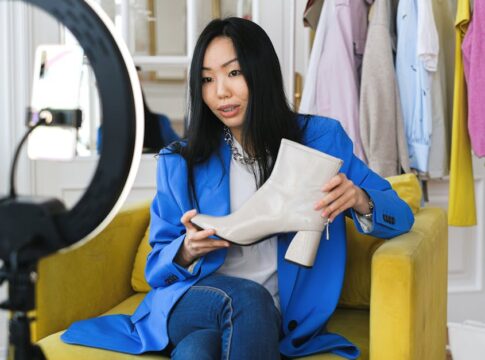
Influencer Trend Drives Fashion Sales
The fashion industry has undergone a dramatic transformation in recent years, with social media influencers emerging as powerful catalysts for consumer purchasing decisions. What began as a novel marketing approach has evolved into a multi-billion dollar industry that fundamentally reshapes how fashion brands connect with consumers and drive sales. The influencer economy has proven to be not just a passing trend, but a revolutionary force that continues to redefine the relationship between fashion, marketing, and consumer behavior.
The Rise of Influencer Marketing in Fashion
Social media platforms have democratized fashion influence, moving power away from traditional gatekeepers such as magazine editors and fashion critics toward individuals who have cultivated engaged online communities. These influencers range from mega-celebrities with millions of followers to micro-influencers with smaller but highly dedicated audiences. The fashion industry has recognized the tremendous value in these digital tastemakers, with brands allocating increasingly larger portions of their marketing budgets to influencer collaborations.
Recent industry data reveals that influencer marketing spending in the fashion sector has reached unprecedented levels, with projections indicating continued growth in the coming years. Brands have discovered that authentic endorsements from trusted influencers often yield better returns on investment than traditional advertising methods. The personal connection influencers maintain with their followers creates a unique form of social proof that drives purchasing decisions in ways that conventional marketing cannot replicate.
Impact on Consumer Purchasing Behavior
The influence of social media personalities on fashion sales extends across all demographic groups, though it resonates particularly strongly with younger consumers. Studies consistently demonstrate that recommendations from influencers carry significant weight in purchase decisions, with many consumers actively seeking out products featured in influencer content. This phenomenon has created new pathways to purchase, with platforms increasingly integrating shopping features that allow users to buy products directly from influencer posts.
The immediacy of influencer marketing creates urgency that traditional advertising struggles to achieve. When an influencer showcases a product, their followers can research, discuss, and purchase items within minutes, creating viral sales moments that can overwhelm retail systems. This real-time interaction has compressed the traditional marketing funnel, accelerating the journey from product awareness to purchase completion.
Types of Influencer Partnerships Driving Sales
Fashion brands employ various influencer collaboration models to maximize sales impact:
- Sponsored content featuring specific products or collections
- Brand ambassadorships creating long-term associations
- Co-designed collections leveraging influencer creativity and audience insight
- Affiliate marketing programs providing influencers with commission-based incentives
- Event partnerships generating buzz around product launches and fashion shows
- Unboxing and haul videos showcasing multiple products simultaneously
Each partnership type serves different strategic objectives, with brands often employing multiple approaches simultaneously to create comprehensive influencer marketing campaigns. The most successful collaborations align brand values with influencer authenticity, creating partnerships that feel organic rather than forced.
The Micro-Influencer Advantage
While celebrity influencers command attention, fashion brands increasingly recognize the value of micro-influencers who maintain smaller but highly engaged followings. These influencers often demonstrate superior engagement rates compared to their mega-influencer counterparts, with audiences that trust their recommendations implicitly. Micro-influencers typically focus on specific niches, allowing brands to target precise demographic segments with tailored messaging.
The cost-effectiveness of micro-influencer partnerships enables brands to diversify their influencer portfolios, working with multiple voices across different markets and demographics. This strategy creates broader reach while maintaining the authentic, personal touch that makes influencer marketing effective. Many emerging fashion brands have built entire marketing strategies around micro-influencer networks, achieving remarkable growth without traditional advertising expenditures.
Technology and Platform Evolution
Social media platforms have evolved to support and enhance influencer-driven commerce. Features such as shoppable posts, swipe-up links, and integrated checkout systems have reduced friction in the purchasing process. Live shopping events allow influencers to showcase products in real-time while interacting with viewers, creating entertainment-commerce hybrids that drive significant sales volumes.
Artificial intelligence and data analytics enable brands to identify promising influencer partnerships and measure campaign effectiveness with unprecedented precision. Brands can track engagement metrics, conversion rates, and return on investment across individual influencers and campaigns, allowing for continuous optimization of influencer marketing strategies.
Challenges and Considerations
Despite its effectiveness, influencer marketing faces ongoing challenges. Concerns about authenticity arise when influencers promote products inconsistent with their established persona or values. Regulatory bodies have implemented disclosure requirements to ensure transparency in sponsored content, though compliance remains inconsistent across the industry.
The saturation of influencer marketing has created skepticism among some consumers who question the genuineness of influencer endorsements. Brands must navigate these concerns by prioritizing authentic partnerships and avoiding oversaturation that diminishes campaign effectiveness. The most successful influencer collaborations maintain credibility by selecting partners whose values and aesthetics genuinely align with brand identity.
Future Outlook
The trajectory of influencer-driven fashion sales shows no signs of slowing. Emerging technologies such as virtual reality and augmented reality promise to create new dimensions for influencer content, allowing followers to virtually try on recommended products. The continued evolution of social commerce features will further streamline the path from inspiration to purchase.
As the influencer economy matures, expect increased professionalization within the industry. Influencers are developing sophisticated content strategies and business operations, while brands are refining their approach to influencer partnerships based on accumulated experience and data insights. The fundamental dynamic of trusted individuals recommending products to engaged audiences will likely remain a cornerstone of fashion marketing for years to come, continuing to drive sales and shape consumer preferences in the ever-evolving digital marketplace.