
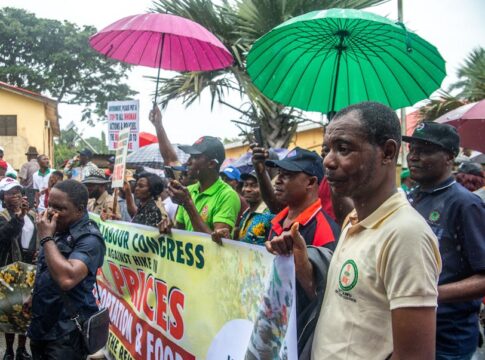
Labor Unions Gain Political Momentum
After decades of declining membership and diminishing political influence, labor unions across the United States are experiencing a significant resurgence in both public support and political power. This renewed momentum marks a potentially transformative shift in the American labor movement, with implications that extend far beyond the workplace and into the broader political and economic landscape.
Rising Union Membership and Public Approval
Recent data indicates that public approval of labor unions has reached its highest point in over fifty years, with polling showing approximately 70% of Americans supporting organized labor. This represents a dramatic turnaround from the early 2000s, when union favorability had dipped to historic lows. The shift in public sentiment has been accompanied by increased organizing activity across multiple sectors, from traditional manufacturing and logistics to emerging industries in technology and media.
High-profile unionization efforts at major corporations have captured national attention, energizing labor advocates and demonstrating that workers in previously non-unionized sectors are willing to organize for better wages, benefits, and working conditions. These successful campaigns have created a ripple effect, inspiring workers at other companies to pursue similar organizing efforts and generating sustained media coverage that has kept labor issues in the public consciousness.
Political Shifts Favoring Organized Labor
The renewed strength of labor unions has translated into tangible political gains at both federal and state levels. Politicians across the spectrum have taken notice of the changing landscape, with many elected officials actively courting union endorsements and championing pro-labor policies. This political momentum represents a significant departure from previous decades, when labor concerns often took a backseat to business interests in policy discussions.
Legislative efforts supporting union organizing have gained traction in various jurisdictions, with proposals aimed at making it easier for workers to form unions and strengthening protections against employer retaliation. State legislatures in several regions have passed laws expanding collective bargaining rights, while others have introduced measures to increase penalties for unfair labor practices.
Key Factors Driving Labor’s Resurgence
Several interconnected factors have contributed to the growing momentum behind organized labor:
- Economic inequality concerns have intensified, with wage stagnation and wealth concentration reaching levels that have prompted widespread public discussion about worker rights and fair compensation
- The COVID-19 pandemic highlighted the essential nature of many frontline workers while simultaneously exposing inadequate workplace protections and benefits
- Younger workers, particularly millennials and Generation Z, have demonstrated greater openness to union membership than their predecessors
- Social media and digital communication tools have enabled more effective organizing campaigns and broader solidarity movements
- High-profile labor disputes and strikes have garnered sympathetic public attention, shifting narratives around worker activism
Impact on Business and Corporate Strategy
The growing strength of labor unions has forced businesses to reconsider their approach to employee relations and labor management. Companies that once routinely opposed unionization efforts are now facing greater scrutiny from consumers, investors, and policymakers regarding their labor practices. This has led some corporations to adopt more conciliatory approaches, engaging in constructive dialogue with workers and, in some cases, voluntarily recognizing union representation.
The business community’s response has been mixed, with some industry groups warning that increased unionization could impact competitiveness and profitability, while other business leaders acknowledge that addressing worker concerns proactively may yield long-term benefits for employee retention and productivity. Human resources departments are increasingly focusing on employee engagement and workplace culture as preventative measures against unionization campaigns.
Economic Implications and Labor Market Effects
Economists and labor market analysts are closely monitoring the potential economic impacts of renewed union strength. Proponents argue that stronger unions can help address wage inequality, boost middle-class purchasing power, and create more stable employment relationships. Research has shown that unionized workers typically earn higher wages and receive better benefits than their non-union counterparts, with positive spillover effects even for non-unionized workers in highly unionized industries or regions.
Critics, however, contend that expanded unionization could lead to higher labor costs, reduced business flexibility, and potential job losses in highly competitive industries. The debate over these economic effects continues to shape policy discussions and inform political positions on labor reform.
Legislative Priorities and Policy Proposals
The political momentum behind labor unions has generated numerous legislative proposals aimed at reforming labor law and strengthening worker protections. Key priorities for labor advocates include:
- Streamlining the union certification process and reducing barriers to organizing
- Strengthening penalties for employers who violate labor laws or interfere with organizing campaigns
- Expanding collective bargaining rights to workers currently excluded from such protections
- Updating labor laws to address the challenges of the gig economy and independent contractor classifications
- Protecting the right to strike and limiting the use of permanent replacement workers
Looking Ahead: Sustainability of the Labor Movement
While labor unions have clearly gained political momentum, questions remain about the sustainability of this resurgence. The movement faces ongoing challenges, including legal obstacles, employer resistance, and the need to adapt to rapidly changing workforce dynamics. The success of current organizing efforts and the ability to translate political support into lasting legislative reforms will likely determine whether this moment represents a temporary surge or a fundamental realignment in labor relations.
The evolving relationship between workers, employers, and policymakers will continue to shape economic outcomes and workplace standards for years to come. As labor unions leverage their renewed political momentum, their ability to deliver tangible benefits to members while adapting to the realities of the modern economy will be critical in determining the long-term trajectory of the American labor movement.