
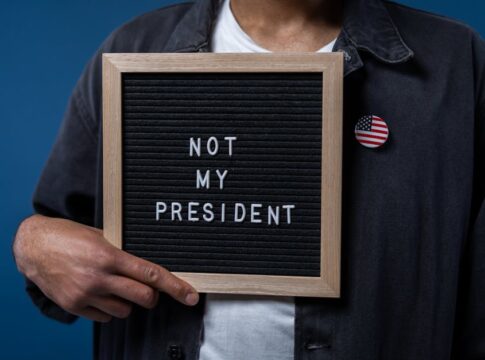
Political Polarization Affects American Families
Political polarization in the United States has reached unprecedented levels in recent decades, creating ripples that extend far beyond the halls of Congress and into the most intimate spaces of American life: the family home. What was once considered impolite dinner table conversation has evolved into a source of genuine conflict, estrangement, and emotional distress for millions of American families. The widening ideological divide between political parties and their supporters has fundamentally altered the landscape of family relationships, challenging traditional bonds and forcing many to navigate an increasingly treacherous terrain between political conviction and familial loyalty.
The Growing Divide
Research from political scientists and sociologists indicates that Americans are more politically polarized today than at any point in the past several decades. Unlike previous eras when political disagreements might have been rooted in specific policy differences, contemporary polarization is characterized by what experts call “affective polarization”—a phenomenon where individuals not only disagree with opposing political views but harbor genuine animosity toward those who hold them. This emotional dimension transforms political disagreement from an intellectual exercise into a deeply personal matter that affects how people view their relationships.
According to data from various studies, a growing percentage of Americans from both major political parties view members of the opposing party not merely as wrong, but as a threat to the nation’s wellbeing. This perspective becomes particularly problematic when the “opposing party member” is a parent, sibling, child, or spouse. The politicization of issues ranging from public health measures to social justice movements has meant that fewer topics remain neutral ground for family gatherings.
Manifestations Within Family Structures
The impact of political polarization manifests in numerous ways across different family configurations. Some of the most common patterns include:
- Reduced frequency of family gatherings and celebrations
- Establishment of “no politics” rules that create artificial boundaries in conversation
- Complete estrangement between family members who once maintained close relationships
- Increased stress and anxiety surrounding holiday visits and family events
- Conflicts regarding the political education and socialization of children and grandchildren
- Tension in marriages where spouses hold divergent political views
Intergenerational Conflicts
One of the most pronounced areas where political polarization affects families is across generational lines. Younger generations often hold significantly different political views than their parents and grandparents, particularly on issues related to social justice, climate change, and economic policy. These differences reflect not only changing attitudes over time but also the distinct historical experiences and information ecosystems that shape different age cohorts.
Parents may find themselves bewildered by adult children whose political worldviews seem incomprehensible, while younger family members may struggle to reconcile loving relationships with what they perceive as their elders’ harmful political positions. The situation becomes particularly acute when grandparents wish to maintain relationships with grandchildren but find themselves at odds with their own children over political matters.
The Role of Media and Technology
The media landscape plays a significant role in exacerbating family political tensions. The proliferation of partisan news sources, social media echo chambers, and algorithmically-curated content feeds means that family members often consume entirely different versions of reality. This fragmentation makes productive political discourse nearly impossible, as individuals cannot even agree on basic facts, let alone interpretations or solutions.
Social media platforms add another dimension to family political conflicts. Political posts, shares, and comments create a permanent public record of political views that can be repeatedly revisited and reinterpreted. Family members may find themselves hurt or offended by content posted by relatives, leading to confrontations that might never have occurred in pre-digital eras. The performative nature of social media also encourages more extreme political expressions than might occur in face-to-face conversations.
Psychological and Emotional Toll
The psychological impact of politically-driven family conflict extends beyond temporary discomfort. Mental health professionals report increasing numbers of patients experiencing anxiety, depression, and grief related to political estrangement from family members. The loss of family relationships, even when chosen consciously, creates genuine trauma that affects individuals’ wellbeing and sense of identity.
For many Americans, family has traditionally served as a reliable source of support and belonging regardless of external circumstances. When political differences fracture this foundation, individuals may experience profound isolation and question fundamental aspects of their worldview and relationships. The stress of maintaining relationships despite deep political disagreements also takes a toll, requiring constant emotional regulation and self-censorship.
Strategies for Navigation
Despite these challenges, many families successfully navigate political differences without sacrificing relationships. Common strategies include:
- Establishing clear boundaries around political discussions while maintaining engagement on other topics
- Practicing active listening and seeking to understand rather than convince
- Focusing on shared values and common ground rather than points of disagreement
- Recognizing that changing minds is rarely the goal of productive family interactions
- Limiting exposure to inflammatory political content from family members on social media
- Seeking professional mediation or family therapy when conflicts become unmanageable
Looking Forward
As American political polarization shows few signs of abating, families will likely continue facing these challenges for the foreseeable future. The ability of families to weather political storms may depend on their capacity to prioritize relationships over ideology, recognize shared humanity despite disagreement, and create space for multiple perspectives within family systems. Understanding that political polarization affects families across the spectrum—regardless of specific political orientation—may help normalize these struggles and encourage more open discussion about strategies for maintaining family bonds in polarized times.
The long-term consequences of politically-driven family fractures remain uncertain, but the immediate human cost is clear. As Americans navigate this complex landscape, the challenge lies in finding ways to honor both deeply-held convictions and irreplaceable family relationships in an increasingly divided society.