
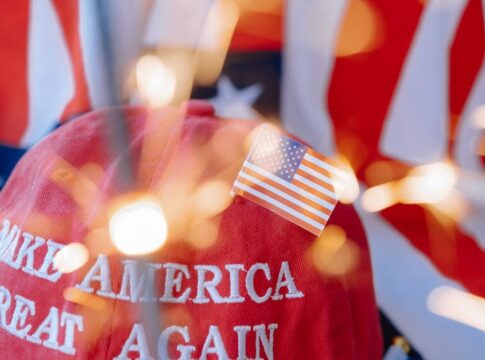
Political Polarization Affects American Families
The deepening political divide in the United States has transcended the boundaries of campaign rallies and congressional chambers, infiltrating one of society’s most fundamental institutions: the family. As political polarization reaches unprecedented levels, American families are experiencing significant strain, with disagreements over politics leading to estrangement, conflict, and fundamental changes in family dynamics. This phenomenon represents not merely a political issue but a profound social transformation affecting millions of households across the nation.
The Growing Divide Within Households
Recent surveys and studies reveal that political disagreements within families have intensified dramatically over the past decade. According to research from various academic institutions and polling organizations, a substantial percentage of Americans report that political differences have negatively impacted their family relationships. What once might have been friendly debates over dinner have evolved into serious conflicts that challenge the bonds of kinship and shared history.
The transformation in family political discourse reflects broader societal trends. Americans increasingly view members of opposing political parties not simply as people with different policy preferences, but as fundamentally misguided or even morally deficient. This shift from disagreement to disapproval has made political conversations within families more fraught and emotionally charged than in previous generations.
Manifestations of Political Family Conflict
The impact of political polarization on families manifests in various ways, affecting both day-to-day interactions and major life events. These effects range from mild discomfort to complete estrangement, fundamentally altering the landscape of American family life.
Holiday Gatherings and Special Occasions
Traditional family gatherings have become potential flashpoints for political conflict. Many families now establish explicit rules about avoiding political topics during holidays, while others have seen attendance dwindle as family members choose to skip events rather than face political disagreements. Some families report that members arrive with heightened anxiety, knowing that political discussions might erupt despite best intentions to avoid them.
Communication Breakdown
The frequency and quality of communication between family members with opposing political views has declined significantly. Phone calls become shorter and less frequent, social media interactions turn contentious, and some family members report unfriending or blocking relatives on digital platforms. This communication breakdown extends beyond explicit political discussions, as the underlying tension affects even mundane conversations.
Complete Estrangement
In extreme cases, political differences have led to complete family estrangement. Adult children have ceased contact with parents, siblings have ended relationships, and extended family networks have fractured along political lines. These separations often involve multiple factors, but political polarization serves as either the primary catalyst or a significant contributing factor.
Generational Dimensions of Political Family Conflict
Political disagreements within families often align with generational divides, adding another layer of complexity to family relationships. Younger generations and their parents or grandparents frequently find themselves on opposite sides of political issues, from social justice movements to economic policy to environmental concerns.
These generational political differences intersect with normal life-cycle tensions, making it difficult to separate political disagreements from other sources of family conflict. Parents may struggle to understand their children’s political perspectives, while younger family members may view their elders’ political stances as out of touch or harmful. The emotional weight of these disagreements is amplified when family members believe that opposing political views reflect poorly on their shared values or family identity.
The Role of Media and Information Ecosystems
The proliferation of partisan media outlets and the algorithm-driven nature of social media platforms have exacerbated political divisions within families. Family members often consume entirely different information sources, leading to fundamentally different understandings of current events and political issues. This divergence in information ecosystems makes productive political conversations nearly impossible, as family members lack shared factual foundations for discussion.
The constant stream of political content available through digital devices means that political identities and divisions are continuously reinforced, even within the home. Family members may be consuming partisan content during what would otherwise be shared leisure time, further entrenching their positions and reducing opportunities for understanding across political lines.
Psychological and Emotional Toll
The psychological impact of political family conflict extends beyond the immediate discomfort of disagreements. Many Americans report experiencing significant stress and anxiety related to political divisions within their families. The sense of loss associated with damaged family relationships can be profound, particularly when political differences interfere with important milestones such as weddings, graduations, or the birth of grandchildren.
Mental health professionals have observed increases in clients seeking help for family conflicts rooted in political polarization. These conflicts can trigger deeper issues related to identity, belonging, and acceptance within families. The situation is particularly difficult because, unlike some sources of family conflict, political polarization is reinforced by external forces beyond the family’s control.
Attempts at Bridge-Building and Resolution
Despite the challenges, some families have found ways to navigate political differences while maintaining relationships. Strategies that prove helpful include:
- Establishing clear boundaries around political discussions
- Focusing on shared values and common ground rather than political differences
- Practicing active listening and seeking to understand rather than convince
- Limiting exposure to political media before family gatherings
- Seeking professional mediation or family therapy when conflicts escalate
- Emphasizing personal relationships and shared history over political identity
Organizations and therapists specializing in bridging political divides have developed frameworks and tools to help families navigate these conflicts. These approaches typically emphasize emotional regulation, perspective-taking, and the recognition of shared humanity beyond political labels.
Long-Term Implications for Society
The fracturing of families along political lines carries significant implications for American society. Families traditionally serve as spaces where individuals encounter diverse perspectives and learn to navigate disagreements. When families fragment due to political polarization, society loses these crucial venues for developing skills in democratic discourse and empathy across differences.
Furthermore, political divisions within families may contribute to broader social fragmentation, as individuals increasingly sort themselves into politically homogeneous communities and social networks. This sorting can create feedback loops that intensify polarization, as people lose personal connections with those holding different political views.
The impact on children growing up in politically divided families or witnessing family estrangement due to politics remains an area of concern for developmental psychologists and family researchers. These experiences may shape how future generations approach political differences and family relationships, potentially either perpetuating cycles of polarization or inspiring greater commitment to bridging divides.
Conclusion
Political polarization’s reach into American families represents a significant cultural shift with far-reaching consequences. While political disagreement within families is not new, the intensity and destructive potential of these conflicts have reached levels that challenge fundamental family bonds. As American society grapples with deep political divisions, the ability of families to navigate these differences while maintaining relationships may prove crucial not only for individual well-being but for the health of democratic society itself. Finding pathways through political polarization within families remains one of the pressing social challenges of the contemporary era.