
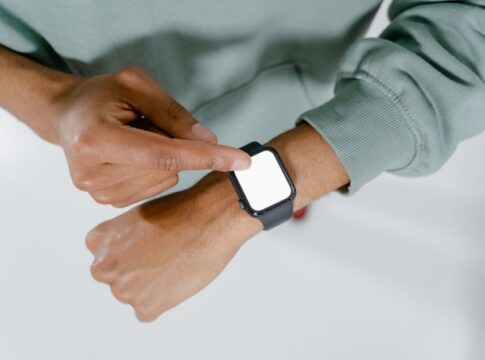
Quick Look: New Wearable Technology
The wearable technology market continues to evolve at a remarkable pace, introducing innovative devices that seamlessly integrate into daily life while offering unprecedented functionality. From advanced health monitoring systems to augmented reality interfaces, the latest generation of wearables represents a significant leap forward in how humans interact with technology and understand their own bodies.
The Current State of Wearable Technology
Wearable technology has transcended its initial conception as simple fitness trackers and smartwatches. Today’s devices incorporate sophisticated sensors, artificial intelligence, and connectivity features that transform them into powerful health management tools, communication devices, and productivity enhancers. The global wearable technology market is projected to reach unprecedented valuations, driven by consumer demand for devices that offer practical benefits while maintaining aesthetic appeal.
Modern wearables leverage miniaturized components and improved battery technology to deliver increasingly complex functionality without sacrificing comfort or style. This convergence of form and function has opened new markets and use cases, extending beyond early adopters to mainstream consumers seeking practical solutions for health management, fitness tracking, and everyday convenience.
Latest Innovations in Health Monitoring
Health-focused wearables have emerged as one of the most impactful categories in the technology sector. Recent devices now offer capabilities that were previously available only in clinical settings, democratizing access to valuable health data.
Advanced Biosensors
The newest wearable devices incorporate multiple biosensors capable of continuous monitoring of various physiological parameters. These include:
- Continuous glucose monitoring without invasive finger pricks
- Blood oxygen saturation tracking with medical-grade accuracy
- Core body temperature measurement for early illness detection
- Blood pressure monitoring through optical sensors
- Electrocardiogram (ECG) capabilities for heart rhythm analysis
These sensors work in concert with sophisticated algorithms that can identify patterns and anomalies, alerting users to potential health concerns before they become serious issues. The integration of machine learning enables these devices to become more accurate over time, learning individual baseline metrics and recognizing deviations that may warrant medical attention.
Sleep and Recovery Analysis
Sleep tracking technology has evolved significantly, moving beyond simple duration tracking to comprehensive sleep architecture analysis. Modern wearables can now distinguish between different sleep stages, including light sleep, deep sleep, and REM cycles. This detailed information helps users optimize their sleep schedules and identify factors that may be affecting sleep quality.
Recovery metrics have also become more sophisticated, with devices calculating readiness scores based on multiple factors including heart rate variability, resting heart rate, sleep quality, and activity levels. These insights enable users to make informed decisions about training intensity and rest periods, reducing the risk of overtraining and injury.
Smart Clothing and Textile Integration
The integration of technology directly into fabrics represents one of the most exciting frontiers in wearable technology. Smart textiles incorporate conductive fibers, flexible circuits, and embedded sensors that maintain the comfort and appearance of traditional clothing while providing advanced functionality.
Recent developments include shirts with integrated heart rate monitors and respiratory sensors, compression garments that measure muscle activity and fatigue, and athletic wear that provides real-time biomechanical feedback. These garments eliminate the need for separate devices while providing more accurate data through better sensor contact and positioning.
Augmented Reality Wearables
Augmented reality (AR) glasses and headsets have made significant strides in recent months, becoming lighter, more powerful, and more practical for everyday use. Unlike virtual reality systems that create entirely digital environments, AR wearables overlay digital information onto the real world, enhancing rather than replacing physical reality.
Professional Applications
AR wearables have found particular success in professional settings, where they provide hands-free access to critical information and remote expertise. Technicians can receive step-by-step repair instructions overlaid on equipment, surgeons can view patient data without looking away from the operating field, and warehouse workers can navigate facilities with visual guidance systems.
Consumer Adoption
For consumers, AR glasses now offer features such as real-time translation of text and speech, navigation guidance projected into the field of view, and notification display without the need to check a smartphone. As these devices become smaller and more stylish, adoption rates are expected to increase significantly.
Hearing Enhancement and Audio Technology
Advanced earbuds and hearing devices blur the line between consumer electronics and medical devices. Modern audio wearables feature adaptive noise cancellation, spatial audio processing, and hearing enhancement capabilities that can compensate for mild to moderate hearing loss.
Some devices now incorporate real-time language translation, enabling natural conversations between speakers of different languages. Others use bone conduction technology to transmit sound without blocking the ear canal, maintaining awareness of environmental sounds while delivering audio content.
Privacy and Security Considerations
As wearable devices collect increasingly sensitive personal data, privacy and security have become paramount concerns. Manufacturers are implementing stronger encryption protocols, local data processing to minimize cloud storage, and transparent data policies that give users control over their information.
Biometric authentication methods, including fingerprint sensors and unique gait recognition, help ensure that data remains secure even if devices are lost or stolen. Regulatory frameworks are also evolving to address the unique challenges posed by continuous health monitoring and data collection.
The Future Landscape
The trajectory of wearable technology points toward even greater integration and capability. Emerging technologies such as flexible electronics, energy harvesting systems that eliminate charging requirements, and non-invasive blood analysis suggest that the next generation of wearables will be even more powerful and unobtrusive.
As artificial intelligence continues to advance, wearables will become more proactive, offering predictive insights and personalized recommendations based on comprehensive data analysis. The convergence of wearable technology with other emerging fields such as genomics and personalized medicine promises to revolutionize preventive healthcare and wellness management.
The rapid pace of innovation in wearable technology ensures that today’s cutting-edge devices will soon be superseded by even more capable successors, continuing the trend toward seamless integration of technology into every aspect of human life.