
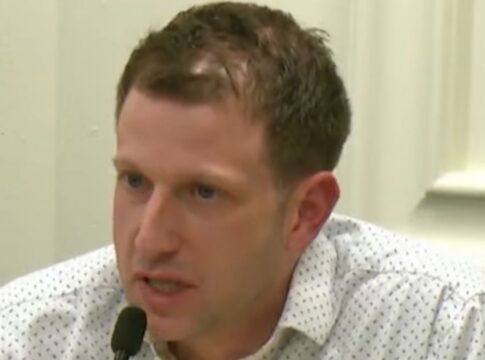
Washington state House Majority Leader Joe Fitzgibbon publicly apologized after appearing visibly intoxicated during a critical legislative hearing, prompting bipartisan criticism and raising serious questions about accountability in state government.
Lawmaker Removed During Committee Session
The 39-year-old Democratic representative participated in a Wednesday evening executive session on House Bill 2289 while displaying clear signs of impairment. Committee leadership called an immediate recess to remove Fitzgibbon from the room after his condition became apparent. Video footage captured the majority leader with disheveled hair and glassy eyes, delivering slurred remarks about the state operating budget. He urged support for legislation designed to help constituents who lack a voice in the legislative process, though his impaired state undermined the message.
Fitzgibbon returned to the committee room moments after being removed, continuing his participation in the budget hearing despite his obvious impairment. The incident quickly drew attention from fellow lawmakers and constituents concerned about the representative’s fitness to perform his duties during critical fiscal deliberations affecting millions of Washington residents.
Apology Follows Public Backlash
Recognizing the severity of the situation, Fitzgibbon issued a statement acknowledging his mistake. He admitted consuming alcohol before completing his committee responsibilities and expressed deep regret for the impact on his work and colleagues. The majority leader called the experience a painful and embarrassing lesson, promising never to repeat such behavior. His apology emphasized the harm caused to both his professional duties and co-workers who depend on his leadership during budget negotiations.
Republicans Question Democratic Leadership
Republican Representative Michelle Valdez condemned the incident, highlighting Fitzgibbon’s significant power over state finances and the Democratic budget agenda. She characterized the situation as disenfranchising for Washington taxpayers who expect sober leadership from officials controlling billions in public funds. Valdez added pointed commentary suggesting the state’s fiscal direction might drive anyone to drink, connecting the controversy to broader concerns about Democratic governance. The incident raises fundamental questions about professional standards for elected officials and oversight mechanisms within legislative leadership. As Washington faces complex budget challenges, taxpayers deserve representatives who maintain complete focus and sound judgment during critical decision-making processes.