
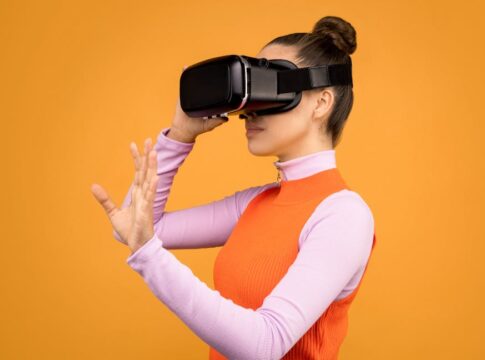
Rapid Overview: Virtual Reality Trends
Virtual reality technology has evolved from a futuristic concept into a mainstream innovation that is reshaping multiple industries. As hardware becomes more accessible and software capabilities expand, the VR landscape continues to transform at an unprecedented pace. Understanding the current trends in virtual reality is essential for businesses, developers, and technology enthusiasts looking to stay ahead in this dynamic field.
The Mainstream Adoption of VR Hardware
The virtual reality hardware market has witnessed significant democratization in recent years. Standalone headsets that do not require external computers or smartphones have become increasingly popular, offering users a more accessible entry point into virtual experiences. These devices now feature improved resolution, wider fields of view, and enhanced processing power, all while becoming more affordable for consumers and enterprises alike.
The trend toward wireless VR systems continues to gain momentum, eliminating the tethered experience that previously limited user movement and immersion. This technological advancement has opened new possibilities for room-scale experiences and more natural interaction within virtual environments. Additionally, manufacturers are focusing on reducing headset weight and improving comfort for extended wearing periods, addressing one of the primary barriers to widespread adoption.
Enterprise and Industrial Applications
Virtual reality has moved far beyond gaming and entertainment, establishing itself as a valuable tool across numerous professional sectors. The enterprise adoption of VR technology represents one of the most significant trends reshaping the industry’s trajectory.
Training and Education
Organizations across healthcare, manufacturing, aviation, and military sectors are increasingly implementing VR-based training programs. These immersive training environments allow professionals to practice complex procedures, experience dangerous scenarios safely, and develop critical skills without real-world consequences. The ability to repeat training exercises indefinitely and track performance metrics has made VR an invaluable educational tool that often surpasses traditional methods in effectiveness and retention.
Remote Collaboration
The rise of remote work has accelerated the development of virtual reality collaboration platforms. These environments enable geographically dispersed teams to meet in shared virtual spaces, manipulate 3D models, and collaborate on projects with a sense of presence that traditional video conferencing cannot match. As organizations continue to embrace hybrid work models, VR collaboration tools are becoming increasingly sophisticated and widely adopted.
Social VR and the Metaverse
Social virtual reality platforms have emerged as significant players in the VR ecosystem, creating persistent virtual worlds where users can interact, socialize, and participate in various activities. These platforms are evolving beyond simple chat rooms into comprehensive virtual societies with their own economies, events, and cultural phenomena.
The concept of the metaverse has gained substantial attention, representing an interconnected network of virtual worlds and experiences. While still in developmental stages, the metaverse vision is driving innovation in virtual identity, digital asset ownership, and cross-platform interoperability. Major technology companies are investing heavily in creating the infrastructure and standards necessary to realize this interconnected virtual future.
Advancements in Haptic Technology
The pursuit of more immersive virtual experiences has led to significant progress in haptic feedback systems. These technologies aim to engage the sense of touch, adding a new dimension to virtual reality interactions. Current trends include:
- Development of advanced haptic gloves that simulate texture, resistance, and object manipulation
- Full-body haptic suits for comprehensive tactile feedback
- Ultrasonic mid-air haptics that create sensations without physical contact
- Integration of temperature and pressure simulation for enhanced realism
These haptic innovations are particularly valuable in professional applications such as surgical training, industrial design, and therapeutic interventions, where tactile feedback significantly enhances the learning and practical experience.
Eye-Tracking and Foveated Rendering
Eye-tracking technology has become increasingly prevalent in modern VR headsets, enabling both technical and experiential improvements. Foveated rendering, which leverages eye-tracking data to render only the area where the user is looking in full resolution while reducing detail in peripheral vision, significantly improves performance and allows for more detailed graphics without overwhelming hardware capabilities.
Beyond performance benefits, eye-tracking enables more natural user interfaces, social presence indicators in multiplayer environments, and valuable data for researchers studying human behavior and attention patterns in virtual spaces.
Virtual Reality in Healthcare
The healthcare sector continues to expand its utilization of virtual reality across multiple domains. Pain management programs use VR to provide distraction therapy during medical procedures, demonstrating measurable reductions in patient discomfort. Mental health professionals employ VR exposure therapy to treat phobias, PTSD, and anxiety disorders in controlled, customizable environments.
Surgical planning and rehearsal in virtual reality allows medical teams to prepare for complex procedures by exploring patient-specific anatomy in three dimensions. This technology is also facilitating remote surgical assistance, where specialists can guide procedures from distant locations through shared virtual environments.
Augmented Reality and Mixed Reality Integration
The boundaries between virtual reality, augmented reality, and mixed reality are becoming increasingly fluid. Modern headsets are incorporating passthrough cameras and mixed reality capabilities, allowing users to seamlessly blend virtual content with their physical surroundings. This convergence trend is creating new possibilities for applications that require interaction with both real and virtual elements simultaneously.
Artificial Intelligence Integration
Artificial intelligence is playing an expanding role in virtual reality experiences. AI-driven characters and environments create more dynamic and responsive virtual worlds that adapt to user behavior. Machine learning algorithms optimize rendering, predict user movements for reduced latency, and personalize experiences based on individual preferences and interactions.
Looking Forward
Virtual reality technology stands at an inflection point, transitioning from early adoption to mainstream integration across numerous sectors. As hardware continues to improve, applications diversify, and development tools become more accessible, the impact of VR on society, business, and entertainment will only intensify. Organizations and individuals who understand and adapt to these trends will be well-positioned to leverage the transformative potential of virtual reality in the years ahead.