
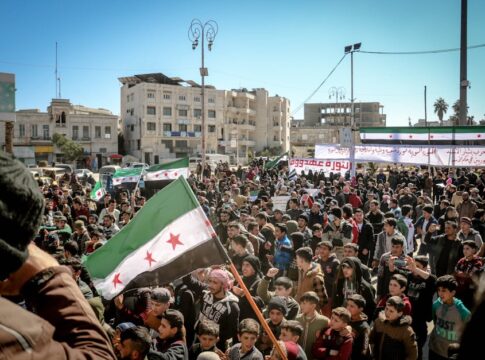
Public Protests Redefine Civic Engagement
Public protests have emerged as a defining characteristic of contemporary civic engagement, fundamentally transforming how citizens interact with political systems, express dissent, and advocate for change. From the Arab Spring to climate strikes, from Black Lives Matter to anti-corruption demonstrations across continents, mass mobilizations have become a primary vehicle for citizens to voice their concerns and demand accountability from those in power. This evolution represents a significant shift in the landscape of democratic participation and civic action.
The Evolution of Protest Culture
Traditional forms of civic engagement—voting, joining political parties, attending town halls—have long been considered the cornerstones of democratic participation. However, recent decades have witnessed a transformation in how citizens choose to engage with political and social issues. Public protests have moved from being considered disruptive outliers to becoming mainstream expressions of civic involvement, particularly among younger generations who view street demonstrations as both legitimate and necessary forms of political expression.
This shift reflects broader changes in society’s relationship with authority and institutional power. As trust in traditional political institutions has declined in many democracies, citizens have increasingly turned to direct action as a means of making their voices heard. Protests offer an immediate, visible, and collective way to express discontent, build community, and demand change outside the often slow-moving channels of conventional politics.
Technology’s Role in Modern Protest Movements
The digital revolution has fundamentally altered the organization, scale, and impact of public protests. Social media platforms have become essential tools for mobilization, allowing organizers to coordinate actions, share information, and build solidarity across geographic boundaries with unprecedented speed and efficiency. Hashtags become rallying cries, viral videos document injustices, and live streams bring global attention to local demonstrations.
This technological infrastructure enables protests to emerge and grow rapidly, sometimes without traditional hierarchical leadership structures. Decentralized movements can now coordinate complex actions involving thousands or millions of participants, challenging conventional understandings of how social movements develop and sustain themselves. The speed at which movements can now mobilize represents a significant evolution in civic engagement capabilities.
Diversity of Causes and Participants
Contemporary protest movements encompass an extraordinarily diverse range of issues and attract participants from varied demographic backgrounds. Major areas of protest activity include:
- Climate change and environmental protection
- Racial justice and police reform
- Gender equality and reproductive rights
- Economic inequality and labor rights
- Democratic governance and anti-corruption efforts
- Immigration policies and refugee rights
- Healthcare access and public health measures
This diversity reflects how protest has become a versatile tool for civic engagement across the political spectrum and across different social movements. Protests now regularly include participants who might not engage through traditional political channels, bringing new voices and perspectives into public discourse.
Impact on Policy and Political Discourse
The effectiveness of protests in achieving concrete policy changes remains a subject of debate, but their impact on political discourse is undeniable. Large-scale demonstrations force issues onto the public agenda, compelling media coverage and political responses that might not otherwise materialize. They create pressure on elected officials, shift public opinion, and can accelerate policy debates that might otherwise proceed slowly through institutional channels.
Research indicates that sustained protest movements can achieve significant policy victories, particularly when they maintain momentum, build broad coalitions, and combine street action with other forms of political organizing. However, success often requires long-term commitment and strategic coordination rather than isolated demonstrations.
Challenges and Criticisms
Despite their growing prominence, protests as a form of civic engagement face several challenges and criticisms. Critics argue that protest participation can become performative, with individuals attending demonstrations primarily for social validation rather than sustained commitment to causes. The ease of organizing through social media can sometimes lead to mobilizations that lack clear objectives or strategic planning.
Additionally, protests can face government restrictions, violent suppression, or legal consequences for participants, particularly in less democratic contexts. Even in established democracies, questions about permits, disruption of public order, and the boundaries of acceptable protest tactics remain contentious issues that shape the effectiveness and accessibility of this form of civic engagement.
The Intersectionality of Modern Movements
Contemporary protest movements increasingly recognize the interconnected nature of social, economic, and political issues. This intersectional approach has led to coalition-building across different movements and the recognition that struggles for justice in one area often relate to struggles in others. Climate activists connect environmental degradation to economic inequality, racial justice movements address systemic issues across multiple institutions, and labor organizers link workers’ rights to broader questions of democratic participation.
This interconnected approach represents a sophisticated evolution in civic engagement, moving beyond single-issue campaigns to address systemic problems through coordinated action across multiple fronts.
Future Directions
As public protests continue to redefine civic engagement, several trends appear likely to shape their future evolution. The integration of digital and physical activism will likely deepen, with new technologies enabling more sophisticated coordination and documentation. The global nature of many challenges, from climate change to economic inequality, will likely foster increased international coordination among protest movements.
Furthermore, the normalization of protest as a legitimate form of civic participation suggests that future generations will view street demonstrations as a standard component of democratic engagement rather than an exceptional measure. This shift represents a fundamental redefinition of what it means to be an engaged citizen in contemporary society.
Public protests have become an essential mechanism through which citizens exercise their voice, challenge power structures, and advocate for change. While traditional forms of civic engagement remain important, the rise of protest culture reflects a dynamic evolution in how democratic participation functions in the twenty-first century. Understanding this transformation is crucial for anyone seeking to comprehend contemporary political and social dynamics.