
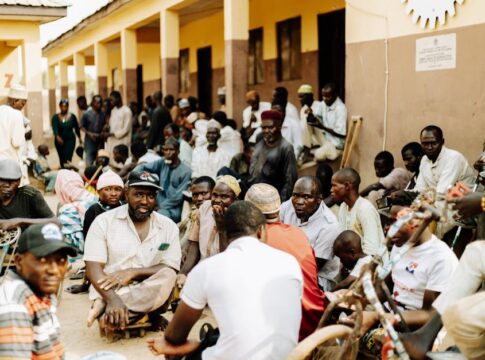
Immigration Shapes Local Community Identities
Immigration has long been a driving force in shaping the cultural, social, and economic landscapes of communities worldwide. As people migrate across borders in search of opportunity, safety, or family reunification, they bring with them distinct traditions, languages, cuisines, and perspectives that gradually weave into the fabric of their new homes. This dynamic process of cultural exchange and adaptation fundamentally transforms local community identities, creating rich, multifaceted societies that reflect both historical roots and contemporary diversity.
The Cultural Mosaic: How Immigration Enriches Local Traditions
When immigrants settle in new communities, they introduce cultural practices that often become integral to the local identity. Neighborhoods evolve as restaurants, shops, and religious institutions representing various cultural backgrounds emerge, creating vibrant districts that attract both residents and visitors. Cities such as New York, London, Toronto, and Sydney exemplify this phenomenon, with distinct ethnic enclaves that have become defining features of urban identity.
These cultural contributions extend beyond commercial establishments. Festivals celebrating diverse heritages, from Lunar New Year parades to Diwali celebrations and Caribbean carnivals, have become annual traditions that entire communities embrace. Such events not only preserve immigrant cultural heritage but also educate longer-established residents about global traditions, fostering cross-cultural understanding and appreciation.
Language and Communication Patterns
The linguistic landscape of communities undergoes significant transformation through immigration. Multilingualism becomes commonplace in schools, workplaces, and public spaces, with signage, government services, and media outlets adapting to serve diverse populations. This linguistic diversity presents both challenges and opportunities, requiring investment in translation services and language education while simultaneously enriching the community’s communicative capacity.
Language borrowing occurs naturally as communities integrate, with words and phrases from immigrant languages entering local vernacular. This linguistic cross-pollination creates unique regional dialects that reflect the community’s diverse composition and shared experiences.
Economic Transformation and Entrepreneurship
Immigration significantly impacts local economic identities through entrepreneurship and workforce participation. Immigrant entrepreneurs frequently revitalize declining commercial districts, opening businesses that serve both their ethnic communities and the broader population. These establishments create employment opportunities, generate tax revenue, and contribute to economic vitality.
The economic contributions of immigrants extend across various sectors:
- Service industries benefit from diverse skill sets and work ethic
- Healthcare systems rely heavily on immigrant professionals, from physicians to nursing staff
- Technology and innovation sectors attract highly skilled immigrants who drive research and development
- Agricultural communities depend on immigrant labor for crop production and processing
- Small business development flourishes through immigrant entrepreneurship
These economic patterns become embedded in community identity, shaping how residents perceive their local economy and its competitive advantages in the global marketplace.
Social Structures and Community Organizations
Immigration influences the organizational structure of communities, leading to the formation of cultural associations, mutual aid societies, and advocacy groups. These organizations serve multiple purposes: preserving cultural heritage, providing support services for newly arrived immigrants, and advocating for community interests in civic affairs.
Such organizations often bridge gaps between immigrant populations and established institutions, facilitating integration while maintaining cultural distinctiveness. They organize cultural events, provide language classes, offer legal assistance, and create social networks that help immigrants navigate their new environment. Over time, these institutions become permanent features of the community landscape, contributing to its unique identity.
Educational Systems and Curriculum Evolution
Schools in immigrant-receiving communities adapt their curricula, teaching methods, and support services to accommodate diverse student populations. This adaptation goes beyond English language learning programs to include multicultural education initiatives that expose all students to global perspectives and histories.
Educational institutions become spaces where cultural exchange occurs naturally among young people, fostering tolerance and cross-cultural friendships that shape future community relations. The integration of diverse historical narratives and cultural perspectives into education fundamentally alters how communities understand their place in the world and their relationship to global events.
Religious Diversity and Spiritual Landscapes
The religious composition of communities shifts with immigration, introducing new faith traditions and spiritual practices. Mosques, temples, gurdwaras, and other religious institutions emerge alongside established churches and synagogues, visibly altering the community’s spiritual landscape and architectural character.
This religious diversity often leads to interfaith dialogue and cooperation, as communities work to accommodate various religious practices in public spaces, schools, and workplaces. Holiday calendars expand to recognize multiple faith traditions, and dietary options in institutions reflect religious requirements. These accommodations become normalized aspects of community life, reflecting evolved understandings of religious freedom and pluralism.
Challenges and Tensions in Identity Formation
The process of immigration reshaping community identity is not without challenges. Tensions may arise as established residents adjust to demographic changes, economic competition, or cultural differences. Communities must navigate questions about resource allocation, language policy, and the balance between integration and cultural preservation.
Successful communities address these challenges through inclusive governance, community dialogue, and policies that recognize both the contributions of immigrants and the concerns of established residents. Public forums, diversity councils, and inclusive planning processes help communities manage transitions and build consensus around shared values.
The Evolution of Civic Identity
Ultimately, immigration transforms how communities define themselves and their civic identities. Multi-generational immigrant communities develop hybrid identities that blend heritage culture with local traditions, creating something new and distinctive. Second and third-generation immigrants often serve as cultural bridges, fluent in multiple cultural codes and capable of navigating diverse social contexts.
This evolution of civic identity reflects the ongoing negotiation between continuity and change, tradition and innovation. Communities that embrace their diversity while maintaining social cohesion often emerge as vibrant, resilient, and economically competitive places that attract continued investment and population growth.
Immigration’s impact on local community identities demonstrates that culture is not static but constantly evolving through human interaction and exchange. The communities that thrive in the contemporary world are those that recognize diversity as a source of strength and actively cultivate inclusive identities that reflect their complex, multifaceted populations.