
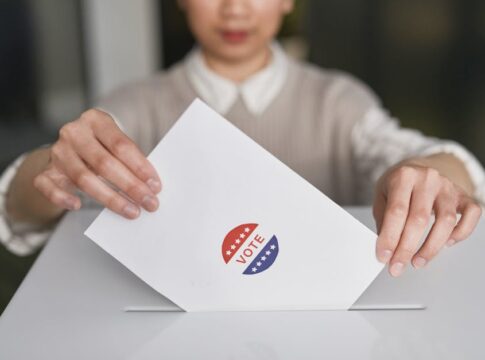
Primary Elections Reshape Party Strategies Nationwide
Primary elections have become increasingly influential in determining not only which candidates appear on general election ballots, but also in fundamentally reshaping how political parties approach strategy, messaging, and voter engagement across the United States. As the American political landscape continues to evolve, primaries have emerged as critical battlegrounds where party identity, ideological direction, and electoral tactics are defined and refined.
The Growing Influence of Primary Elections
Historically viewed as internal party mechanisms for candidate selection, primary elections have transformed into high-stakes contests that often attract as much attention, resources, and voter participation as general elections themselves. This shift has forced both major political parties to reconsider their strategic approaches at local, state, and national levels.
The increased competitiveness of primary elections stems from several factors, including heightened political polarization, the rise of grassroots movements, and the declining influence of traditional party establishment figures. These dynamics have created an environment where primary outcomes can significantly alter a party’s trajectory and policy priorities for years to come.
Impact on Candidate Selection and Party Ideology
Primary elections now serve as ideological litmus tests that determine which candidates and policy positions will represent each party. This phenomenon has led to a notable shift in how parties identify and support candidates during the nomination process.
Republican Party Adaptations
The Republican Party has experienced substantial primary-driven changes in recent election cycles. Conservative grassroots organizations have leveraged primary challenges to push the party toward specific ideological positions on issues ranging from fiscal policy to immigration reform. This has resulted in party leadership paying closer attention to base voter preferences when developing national messaging strategies.
Several key adaptations include:
- Increased emphasis on early endorsements to consolidate support behind preferred candidates
- Greater investment in primary election polling and voter data analysis
- Modified debate formats and rules to manage large candidate fields
- Enhanced digital outreach strategies targeting primary voters
Democratic Party Strategic Shifts
The Democratic Party has similarly adjusted its approach in response to competitive primaries. Progressive movements have successfully utilized primary challenges to advocate for policy positions on healthcare, climate change, and economic equality, prompting party strategists to recalibrate their messaging and coalition-building efforts.
Democratic strategic responses have included:
- Reformed delegate allocation rules to better reflect voter preferences
- Expanded primary debates to accommodate diverse candidate perspectives
- Increased focus on early voting states and their unique demographic compositions
- Development of more sophisticated voter mobilization techniques for primary elections
Voter Engagement and Turnout Strategies
Both parties have recognized that primary election turnout often determines not only the nominee but also sets the tone for general election engagement. This understanding has led to comprehensive strategy overhauls focusing on maximizing primary participation among key demographic groups.
Modern primary strategies now incorporate advanced data analytics to identify and mobilize likely primary voters. Campaigns deploy targeted messaging through multiple channels, including traditional media, social media platforms, and direct voter contact programs. The goal extends beyond simply winning primaries to building sustainable grassroots networks that can be activated during general elections.
The Role of Open versus Closed Primaries
The structure of primary elections varies significantly across states, creating strategic complications for national party organizations. Closed primaries, which restrict participation to registered party members, require different approaches than open primaries, where any registered voter may participate regardless of party affiliation.
This variation has led parties to develop state-specific strategies while attempting to maintain cohesive national messaging. In open primary states, parties must account for potential crossover voting and appeal to a broader electorate during the nomination process. Conversely, closed primaries allow parties to focus on core constituencies but may produce candidates less appealing to general election voters.
Financial Implications and Resource Allocation
The intensification of primary competition has dramatically increased campaign costs and altered how parties allocate financial resources. National party committees now face difficult decisions about whether to remain neutral during contested primaries or strategically support candidates they believe have the best chance in general elections.
This financial dimension has several important consequences:
- Earlier fundraising activities to support extended primary campaigns
- Increased reliance on small-dollar donations and grassroots fundraising
- Greater influence of outside spending groups and political action committees
- Higher overall campaign expenditures beginning earlier in election cycles
Long-Term Strategic Consequences
The evolving primary election landscape compels both parties to think strategically about long-term positioning rather than focusing solely on immediate electoral outcomes. Primary results influence party platform development, leadership selection, and the cultivation of future candidates.
Parties must now balance satisfying primary voters with maintaining broad appeal for general elections, a tension that requires sophisticated strategic planning and message discipline. The candidates who emerge from competitive primaries often shape party identity and policy direction for subsequent election cycles, making primary strategy a critical component of overall party success.
Conclusion
Primary elections have evolved from procedural necessities into transformative political events that fundamentally reshape party strategies at every level of American politics. As voter engagement in primaries continues to grow and new technologies enable more targeted campaigning, both major parties must continually adapt their approaches to candidate selection, messaging, and resource allocation. The strategic decisions made during primary season now carry consequences that extend well beyond nomination contests, influencing party identity, policy priorities, and electoral prospects for years to come. Understanding and effectively navigating this complex primary landscape has become essential for party success in the modern American political environment.