
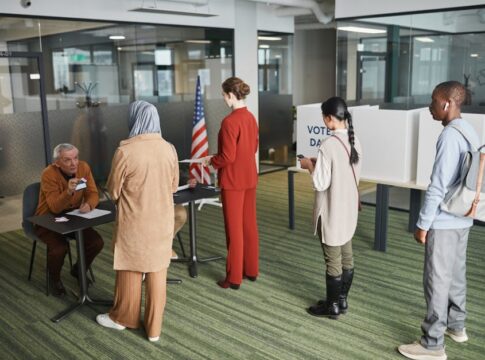
Voter Turnout Trends Worry Political Analysts
Political analysts across the democratic world are expressing growing concern over evolving voter turnout patterns that threaten to reshape the foundations of representative government. While some elections have witnessed surprising surges in participation, the overall trajectory reveals troubling inconsistencies and demographic disparities that challenge the legitimacy and effectiveness of electoral systems.
The Current State of Voter Participation
Voter turnout rates have become increasingly volatile and unpredictable across established democracies. In the United States, presidential election turnout has fluctuated dramatically, reaching 66.8% of eligible voters in 2020—the highest rate in over a century—yet midterm elections continue to struggle with participation rates often below 50%. This pattern of high-stakes presidential engagement followed by midterm apathy creates governance challenges and questions about consistent civic participation.
European nations, traditionally known for robust voter participation, are witnessing their own concerning trends. Countries like France, Germany, and the United Kingdom have recorded declining turnout in various elections, particularly at the local and European Parliament levels. Even Scandinavian countries, long celebrated for civic engagement, have experienced erosion in their historically high participation rates.
Demographic Disparities in Participation
One of the most troubling aspects of current turnout trends involves persistent gaps across demographic groups. These disparities raise fundamental questions about whether electoral outcomes truly represent the will of the entire population.
Age-Based Divides
The generational turnout gap remains one of the most pronounced and consistent patterns in modern elections. Voters over 65 consistently participate at rates 20-30 percentage points higher than those aged 18-29 in many democracies. This disparity means that policy priorities affecting younger generations—climate change, student debt, housing affordability—may receive less electoral attention than issues prioritizing older demographics.
Political scientists note that while younger voters show strong engagement with political issues through social media activism and protests, this energy frequently fails to translate into ballot box participation. The disconnect between online political expression and actual voting behavior represents a puzzle that campaigns and civic organizations struggle to solve.
Socioeconomic Factors
Income and education levels continue to correlate strongly with voter turnout. Higher-income individuals with college degrees participate at significantly elevated rates compared to lower-income citizens without higher education. This gap effectively amplifies the political voice of already advantaged groups while diminishing representation for working-class and economically struggling communities.
The implications extend beyond simple participation numbers. Policy agendas naturally tilt toward the preferences of those who vote, potentially creating a self-reinforcing cycle where government actions further advantage regular voters while neglecting non-participants.
Contributing Factors to Turnout Concerns
Analysts have identified multiple interconnected factors driving problematic turnout patterns:
Electoral System Complexity
Registration requirements, identification laws, and voting procedures vary dramatically across jurisdictions, creating confusion and barriers to participation. In systems requiring advance registration, significant portions of eligible voters remain unregistered. Even where same-day registration exists, complex procedures can discourage participation, particularly among first-time voters or those with limited civic education.
Political Disillusionment
Surveys consistently reveal growing cynicism about political institutions and the effectiveness of democratic participation. Many non-voters express beliefs that elections lack meaningful consequences, that all politicians are essentially similar, or that the system serves elite interests regardless of electoral outcomes. This disillusionment proves particularly acute among younger citizens and marginalized communities.
Practical Obstacles
Despite being formally eligible, many citizens face practical barriers to voting:
- Work schedules that conflict with polling hours, particularly affecting hourly workers who cannot easily take time off
- Limited polling locations in certain areas, creating long wait times and travel difficulties
- Lack of transportation options, especially in rural areas or communities with limited public transit
- Confusion about registration status, polling locations, or identification requirements
- Language barriers for non-native speakers navigating electoral systems
Consequences for Democratic Governance
The implications of problematic turnout trends extend far beyond simple participation statistics. Uneven turnout patterns fundamentally affect how democracies function and whom they serve.
Legitimacy Questions
When elections involve only half or less of eligible voters, questions naturally arise about whether results truly reflect popular will. Winning candidates may actually receive support from only a quarter or third of eligible citizens, undermining claims to represent their constituents. This legitimacy deficit can weaken public trust in institutions and electoral outcomes.
Policy Distortions
Systematic turnout disparities skew policy priorities toward demographics that reliably vote. Resources flow to issues affecting regular voters, while problems disproportionately impacting non-voting populations receive less attention. This creates feedback loops where government responsiveness further discourages participation among already underrepresented groups.
Electoral Strategy Implications
Low and uneven turnout changes campaign calculations. Rather than persuading broad coalitions, parties increasingly focus on mobilizing reliable voter bases while suppressing opposition turnout. This strategic environment encourages polarization and discourages compromise, as energizing partisan supporters becomes more valuable than appealing to moderate non-voters.
Potential Solutions and Reforms
Addressing turnout concerns requires multifaceted approaches targeting different barriers and causes:
Structural Reforms
Many analysts advocate for automatic voter registration, expanded early voting, vote-by-mail options, and making election day a holiday or moving it to weekends. Countries implementing such reforms generally see improved participation rates and reduced demographic disparities.
Civic Education Enhancement
Strengthening civic education in schools and communities could build long-term participation habits. Understanding electoral systems, issues, and the concrete impacts of policy decisions may counter disillusionment and increase engagement.
Addressing Root Causes
Ultimately, sustained participation requires restoring faith that democratic participation produces meaningful results. This demands responsive governance, reduced corruption, and demonstrable connections between citizen preferences and policy outcomes.
Conclusion
Voter turnout trends present serious challenges to democratic governance worldwide. The combination of volatile participation rates, persistent demographic disparities, and growing disillusionment threatens both the legitimacy and effectiveness of electoral systems. While solutions exist, implementing reforms requires political will and sustained commitment to expanding democratic participation. The health of representative government depends on confronting these turnout challenges with urgency and comprehensive strategies that address both practical barriers and deeper questions about democratic responsiveness.