
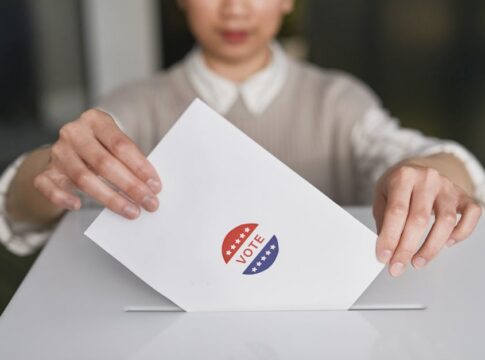
Primary Elections Reshape Party Strategies Nationwide
Primary elections have become increasingly influential in determining not just which candidates appear on general election ballots, but also in fundamentally reshaping how political parties develop their strategies, messaging, and long-term planning. Across the United States, both major political parties are adapting to the evolving dynamics of primary contests that now serve as crucial battlegrounds for ideological direction and party identity.
The Growing Influence of Primary Elections
Historically viewed as internal party mechanisms for selecting nominees, primary elections have transformed into highly contested affairs that often generate more intensity and voter engagement than general elections themselves. This shift has compelled party organizations to reconsider traditional approaches to candidate recruitment, voter outreach, and resource allocation.
The heightened significance of primaries stems from several factors, including increased polarization among the electorate, the rise of grassroots movements, and the growing influence of small-dollar donors who can sustain candidates outside traditional party structures. These elements combine to create primary environments where insurgent candidates can challenge establishment favorites, forcing parties to navigate between supporting preferred candidates and respecting democratic processes.
Strategic Adaptations by Political Parties
Candidate Recruitment and Vetting
Political parties have intensified their candidate recruitment efforts, recognizing that identifying and supporting electable candidates before primaries begin can prevent divisive contests. National and state party committees now invest substantial resources in researching potential candidates’ backgrounds, vulnerabilities, and appeal to both primary and general election voters.
This preemptive strategy aims to clear the field for favored candidates, though with varying degrees of success. When multiple candidates enter primaries despite party preferences, organizations must carefully balance their institutional interests with maintaining neutrality to avoid alienating factions within their base.
Messaging and Platform Development
Primary elections now serve as testing grounds for messaging strategies that parties will deploy in general elections. The ideas, rhetoric, and policy proposals that resonate with primary voters often shape party platforms and talking points for years to come. This reality has led parties to pay closer attention to primary debates and voter reactions, using these contests as focus groups for broader electoral strategies.
However, this approach presents challenges. Messages that energize primary voters may alienate moderate or independent voters in general elections, creating a delicate balancing act for party strategists who must consider both short-term primary victories and long-term electoral success.
Impact on Party Unity and Ideology
Competitive primaries often expose and amplify ideological divisions within parties. Progressive challenges to moderate Democrats and conservative insurgencies against establishment Republicans have become commonplace, forcing parties to confront internal disagreements that were previously managed behind closed doors.
These contests have several consequences for party strategy:
- Increased emphasis on party loyalty and discipline following primaries to heal divisions
- Greater attention to coalition-building among diverse party factions
- Strategic calculations about when to embrace or distance from certain ideological positions
- Enhanced focus on turnout operations that can mobilize base voters in both primaries and general elections
Resource Allocation and Financial Considerations
The rise of contested primaries has fundamentally altered how parties allocate financial and organizational resources. Money and staff time that could be directed toward general election preparation must instead be invested in primary contests, sometimes depleting resources for the ultimate electoral competition.
Party committees have adapted by developing more sophisticated resource management strategies, including:
- Creating separate funding mechanisms for primary and general election activities
- Building year-round fundraising operations rather than election-cycle-specific efforts
- Establishing relationships with super PACs and outside groups that can support preferred candidates without direct party involvement
- Implementing data-driven decision-making processes to identify where primary interventions are most necessary and effective
Voter Engagement and Turnout Strategies
Primary elections have prompted parties to develop more nuanced voter engagement strategies. Understanding that primary electorates differ from general election voters in composition and priorities, parties now maintain detailed voter files that track primary participation history, ideological leanings, and issue priorities.
This granular data allows parties to microtarget communications and mobilization efforts, ensuring that messages resonate with specific voter segments during primaries while building infrastructure for general election turnout. The challenge lies in expanding primary electorates to include voters who will also participate in November, rather than catering exclusively to the most ideologically committed party members.
Regional Variations and State-Specific Approaches
Party strategies must also account for significant variations in primary election rules across states. Open primaries, closed primaries, semi-closed systems, and caucuses each create different strategic environments. States with open primaries require parties to appeal beyond their registered members, while closed primaries allow for more ideologically focused campaigns.
Parties have responded by developing state-specific strategies that account for these structural differences, investing in state party organizations with expertise in local primary dynamics. This decentralized approach allows for tactical flexibility while maintaining coordination on national messaging and priorities.
Long-Term Implications for Party Development
The transformation of primary elections into highly consequential contests has lasting implications for how parties function and evolve. Parties must now operate as both arbiters of internal competition and builders of broad coalitions, roles that sometimes conflict but are both essential for electoral success.
Moving forward, parties will likely continue refining their primary strategies, seeking optimal balances between internal democracy and institutional effectiveness. The ongoing evolution of primary elections ensures that party strategies will remain in flux, adapting to changing voter expectations, technological innovations, and shifting political landscapes.
As primary elections continue to reshape party strategies nationwide, their influence extends beyond candidate selection to affect fundamental questions about party identity, coalition composition, and electoral competitiveness in an increasingly complex political environment.