
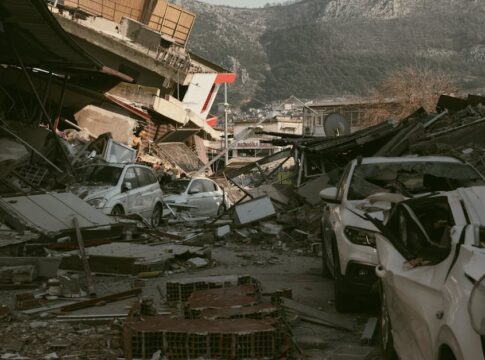
International Aid Sent After Natural Disaster: A Global Response to Crisis
When natural disasters strike, the immediate aftermath often reveals devastation that overwhelms local resources and capacity. In these critical moments, the international community plays a vital role in providing emergency assistance, humanitarian relief, and long-term recovery support. The coordination and deployment of international aid following natural disasters represents one of the most significant expressions of global solidarity and cooperation in modern times.
The Mechanics of International Disaster Response
International aid mobilization following a natural disaster typically begins within hours of the event. Countries, international organizations, and non-governmental organizations activate emergency response protocols that have been refined over decades of disaster management experience. The United Nations Office for the Coordination of Humanitarian Affairs (OCHA) often serves as a central coordinating body, working alongside affected governments to assess needs and direct resources efficiently.
The initial response phase focuses on life-saving interventions. Search and rescue teams from multiple countries deploy with specialized equipment and trained personnel, including dogs and thermal imaging technology. Medical teams establish field hospitals to treat injured survivors, while logistics experts work to restore critical infrastructure such as airports, seaports, and roads to facilitate the flow of aid.
Types of Aid Deployed
International disaster assistance encompasses a wide range of support mechanisms, each addressing specific aspects of the crisis:
- Emergency Relief Supplies: Food, water, shelter materials, blankets, and hygiene kits constitute the immediate material response. These items are often pre-positioned in regional warehouses by organizations like the World Food Programme and UNICEF for rapid deployment.
- Medical Assistance: Field hospitals, medical personnel, medicines, and vaccines are dispatched to treat injuries, prevent disease outbreaks, and maintain public health in compromised conditions.
- Financial Aid: Monetary contributions allow affected governments and humanitarian organizations to purchase needed supplies locally, supporting the affected economy while meeting immediate needs.
- Technical Expertise: Engineers, water sanitation specialists, telecommunications experts, and disaster management professionals provide crucial knowledge for response and recovery efforts.
- Search and Rescue Teams: Highly trained units with specialized equipment deploy to locate and extract survivors from collapsed structures and hazardous environments.
Coordination Challenges and Solutions
The complexity of coordinating international aid presents significant challenges. Multiple actors with different capabilities, priorities, and operational procedures must work together in chaotic conditions. Without proper coordination, aid efforts can result in duplication, gaps in coverage, and inefficient resource utilization.
The Cluster Approach, developed by the humanitarian community, addresses these challenges by organizing response efforts into sectors such as shelter, health, water and sanitation, and logistics. Each cluster has a designated lead agency responsible for coordination within that sector, ensuring comprehensive coverage and avoiding overlap.
Technology has revolutionized coordination efforts in recent years. Digital platforms enable real-time information sharing about needs, resources, and gaps. Satellite imagery helps assess damage and identify affected populations. Mobile technology facilitates communication in areas where traditional infrastructure has been destroyed.
The Role of Regional Organizations
Regional bodies play an increasingly important role in disaster response. Organizations such as the Association of Southeast Asian Nations (ASEAN), the African Union, and the European Union have developed rapid response mechanisms that can deploy quickly due to geographic proximity and regional expertise. These organizations often serve as the first wave of international support before global assistance arrives.
Financial Mechanisms and Funding
International disaster aid requires substantial financial resources. The United Nations Central Emergency Response Fund (CERF) provides immediate funding to jump-start relief operations before larger contributions arrive. Many countries maintain bilateral aid budgets specifically designated for disaster response, allowing them to commit resources quickly following a crisis.
Public fundraising campaigns, increasingly conducted through digital platforms and social media, mobilize individual donations from around the world. Major disasters often generate hundreds of millions of dollars in private contributions, supplementing government and institutional funding.
From Relief to Recovery and Reconstruction
While immediate humanitarian response captures public attention, international aid extends far beyond the emergency phase. The transition from relief to recovery represents a critical period when aid must shift focus toward rebuilding infrastructure, restoring livelihoods, and strengthening resilience against future disasters.
Long-term reconstruction assistance includes rebuilding schools, hospitals, and homes with improved disaster-resistant designs. Economic recovery programs help affected populations restore their livelihoods through cash grants, vocational training, and support for small businesses. Psychological support services address the mental health impacts of disaster trauma.
Building Back Better
Modern disaster recovery embraces the principle of “building back better,” using reconstruction as an opportunity to reduce future vulnerability. International aid increasingly supports risk reduction measures such as improved building codes, early warning systems, and land-use planning that steers development away from high-risk areas.
Accountability and Effectiveness
The international humanitarian community has made significant strides in improving aid effectiveness and accountability. Established standards such as the Core Humanitarian Standard and the Sphere Standards provide benchmarks for quality assistance. Affected populations increasingly participate in needs assessment and program design, ensuring aid addresses actual priorities rather than assumed needs.
Transparency initiatives allow donors and the public to track how aid money is spent. Evaluation systems assess the impact and efficiency of interventions, generating lessons learned that improve future responses.
Conclusion
International aid following natural disasters represents humanity’s collective commitment to assist those facing catastrophic loss. While challenges remain in coordination, funding, and effectiveness, the global disaster response system continues to evolve and improve. As climate change increases the frequency and intensity of natural disasters, the importance of robust international aid mechanisms will only grow, requiring continued investment, innovation, and cooperation across borders.