
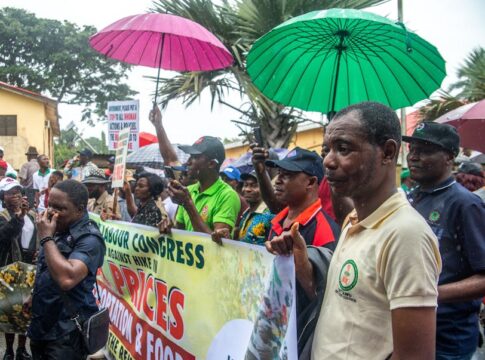
Labor Unions Gain Political Momentum
After decades of declining membership and diminishing influence, labor unions across the United States are experiencing a remarkable resurgence in political power and public support. This shift represents a significant turning point in the American labor movement, with implications that extend far beyond the workplace and into the broader political and economic landscape.
The Revival of Organized Labor
The labor movement’s renewed vitality comes after a prolonged period of challenges. Union membership has steadily declined since the 1980s, dropping from approximately 20% of the workforce in 1983 to just over 10% today. However, recent years have witnessed a dramatic reversal in public perception and union organizing success. Public approval of labor unions has reached its highest point in decades, with recent polling showing that more than 70% of Americans now view unions favorably.
This momentum has translated into tangible results on the ground. High-profile unionization efforts at major corporations, including successful campaigns at Amazon warehouses, Starbucks coffee shops, and Apple retail stores, have captured national attention and inspired workers across various industries. These victories have demonstrated that even in sectors traditionally resistant to unionization, workers can successfully organize when provided with the right support and circumstances.
Legislative Victories and Political Support
The political landscape has shifted considerably in favor of organized labor. Several key legislative developments have bolstered union power and demonstrated their growing political influence:
- Pro-labor legislation at the state level has expanded collective bargaining rights and increased worker protections in numerous jurisdictions
- The National Labor Relations Board has issued decisions strengthening workers’ rights to organize and limiting employer tactics during union campaigns
- Federal investments in infrastructure and clean energy have included provisions requiring project labor agreements and prevailing wage standards
- Multiple states have passed laws banning mandatory anti-union meetings, commonly known as “captive audience” meetings
Political leaders across the spectrum have increasingly aligned themselves with labor causes, recognizing the growing electoral significance of union households and working-class voters. The Biden administration has explicitly positioned itself as “the most pro-union administration in American history,” appointing union-friendly officials to key regulatory positions and vocally supporting organizing efforts.
Economic Factors Driving Union Growth
Several economic trends have contributed to labor’s political resurgence. Rising income inequality, stagnant wage growth for middle-income workers, and increasing corporate profits have created fertile ground for union organizing. The COVID-19 pandemic particularly highlighted the vulnerability of frontline workers and the power imbalance between employees and employers, leading many workers to seek collective representation.
The tight labor market in recent years has also shifted leverage toward workers. With unemployment at historic lows and employers struggling to fill positions, workers have felt more empowered to demand better conditions and compensation. This economic climate has made strikes and organizing efforts more effective, as employers face significant costs from work stoppages and cannot easily replace striking workers.
Industry-Specific Momentum
The resurgence extends across multiple sectors of the economy, each with unique characteristics:
Retail and Service Industries
The retail and service sectors have emerged as surprising hotbeds of union activity. Workers at coffee shops, bookstores, and retail outlets have organized at unprecedented rates. These campaigns often emphasize workplace dignity, scheduling predictability, and safety concerns alongside traditional wage and benefit issues. The success of these efforts has challenged conventional wisdom about organizing in high-turnover industries with younger workforces.
Technology and Digital Economy
Tech workers, traditionally resistant to unionization, have begun exploring collective action. Warehouse workers at e-commerce giants, gig economy drivers, and even white-collar tech employees have launched organizing campaigns. These efforts address concerns about algorithmic management, workplace surveillance, and the classification of workers as independent contractors versus employees.
Healthcare Sector
Healthcare workers, already among the most heavily unionized professions, have expanded their organizing efforts. Nurses, medical technicians, and other healthcare professionals have conducted successful strikes and organizing campaigns, citing understaffing, burnout, and patient safety concerns exacerbated by the pandemic.
Challenges and Opposition
Despite these gains, the labor movement faces significant obstacles. Employers have invested heavily in union avoidance strategies, hiring consultants and law firms specializing in defeating organizing campaigns. Corporate lobbying groups continue to oppose pro-labor legislation at federal and state levels, and legal challenges to new labor-friendly regulations remain common.
Right-to-work laws in 27 states continue to limit union revenue and organizing capacity. These laws, which prohibit requiring union membership or fee payment as a condition of employment, remain a significant impediment to union growth in large portions of the country.
Looking Forward
The long-term trajectory of labor’s political momentum remains uncertain, but several indicators suggest sustained growth potential. Younger workers express strong support for unionization, viewing collective action as essential to addressing workplace inequities. The continued focus on income inequality and workers’ rights in political discourse suggests that labor issues will remain prominent in policy debates.
The labor movement’s ability to adapt to changing workplace structures, including remote work and gig economy arrangements, will prove crucial. Success in organizing previously non-union sectors could create a virtuous cycle, demonstrating the benefits of collective representation to skeptical workers and inspiring further organizing efforts.
As unions gain political momentum, their influence on business practices, economic policy, and workplace standards is likely to expand. This resurgence represents not merely a return to past models of labor organizing but rather an evolution adapted to contemporary economic realities and worker concerns. The coming years will reveal whether this momentum translates into lasting institutional change or represents a temporary surge in an ongoing struggle for worker power.